Availability and types
Gelatin is an ingredient found in many supermarkets, drugstores and baking shops. You can buy it in different forms: as sheets (also called gelatin sheets), as powder (instant or classic) and in some cases pre-mixed gel mixes that only need to be stirred with water or juice. Most large supermarket chains carry at least one variety; specialty or organic stores often offer additional variants.
Origin
Gelatin is made from the skins, bones or connective tissues of animals. Common sources are pork and beef. Therefore it is important to know that gelatin is not a plant-based product. For people with certain dietary rules (for example vegetarians, vegans or those who do not eat pork) there are alternatives, which I will describe shortly. Manufacturers may indicate on the packaging from which animal the gelatin is derived, or whether it is suitable for specific religious or health requirements.
Gelatin is made from the skins, bones or connective tissues of animals. Common sources are pork and beef. Therefore it is important to know that gelatin is not a plant-based product. For people with certain dietary rules (for example vegetarians, vegans or those who do not eat pork) there are alternatives, which I will describe shortly. Manufacturers may indicate on the packaging from which animal the gelatin is derived, or whether it is suitable for specific religious or health requirements.
Production areas / Countries of origin
Because gelatin is a by‑product of the meat and animal processing industry, raw materials usually come from countries with large meat production. Well-known countries include the USA, Brazil, China and parts of Europe. The exact origin is sometimes printed on the package, often only the manufacturer or the country of production is indicated. Organic or specialty brands more frequently emphasize regional origin and stricter controls.
Because gelatin is a by‑product of the meat and animal processing industry, raw materials usually come from countries with large meat production. Well-known countries include the USA, Brazil, China and parts of Europe. The exact origin is sometimes printed on the package, often only the manufacturer or the country of production is indicated. Organic or specialty brands more frequently emphasize regional origin and stricter controls.
Available types and variants
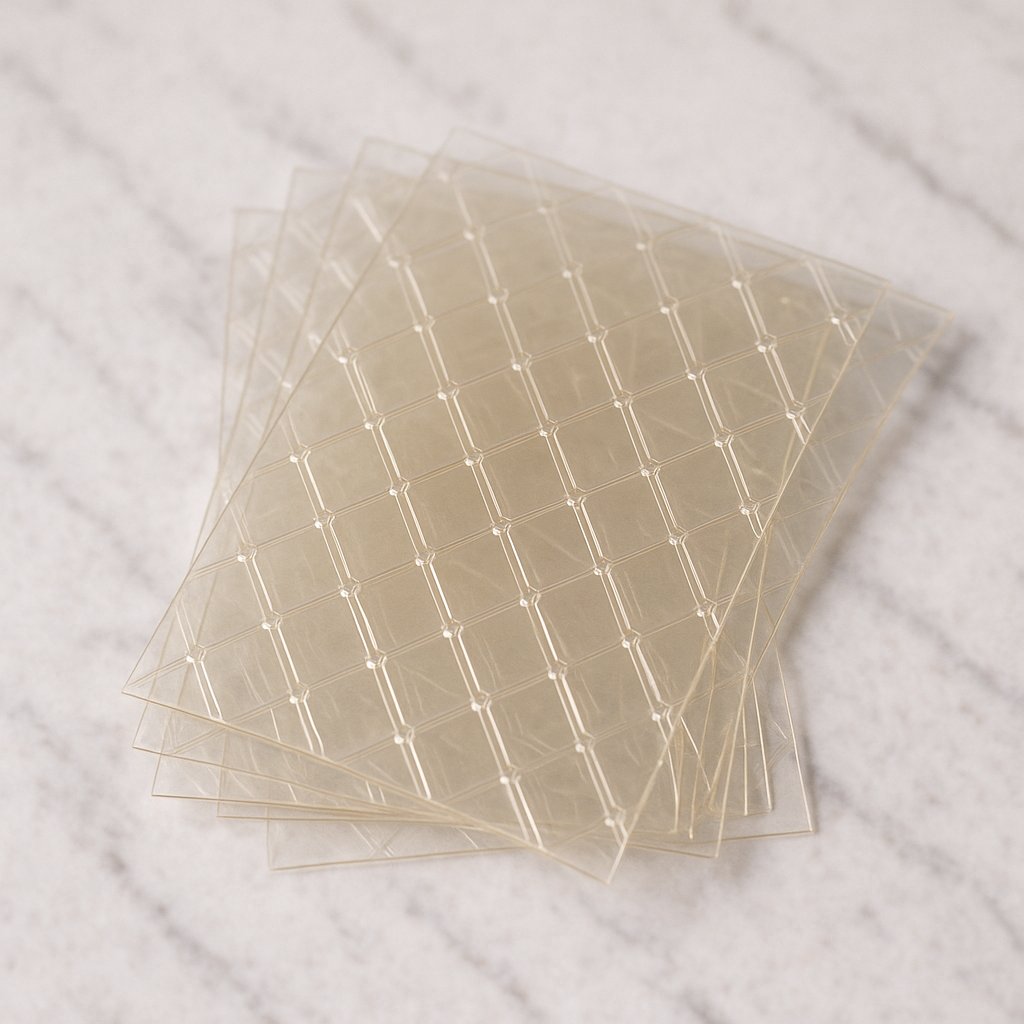
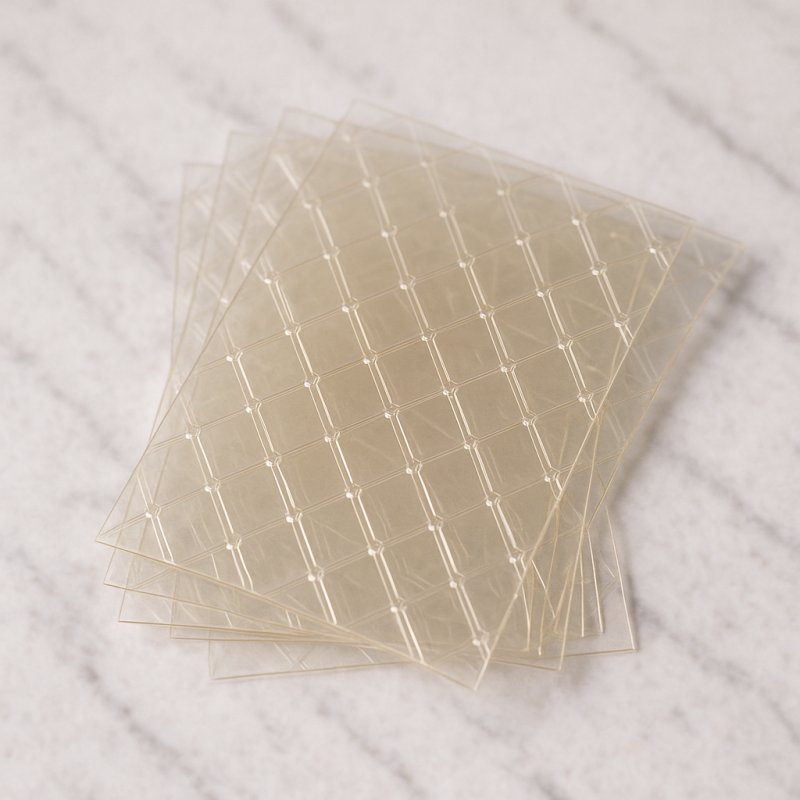
- Gelatin sheets: Thin transparent sheets in various strengths. Advantage: they dissolve evenly and are good for delicate desserts like panna cotta or cake glazes. Soak them in cold water and then dissolve them in warm liquid.
- Gelatin powder (classic): Fine powder that you let bloom in cold water and then stir into the warm mixture. It is practical when you want to weigh quickly.
- Instant gelatin: This powder does not need prior soaking and can be stirred directly into warm or sometimes even cold liquids. Very practical for quick recipes.
- Meat-free alternatives: For people who do not want animal gelatin, there are plant-based gelling agents:
- Agar‑agar: Made from seaweed. It sets firmer and faster than animal gelatin and remains firmer at warmer temperatures.
-
- Pectin: A natural gelling agent often used in jams. It usually needs sugar and acid to gel properly.
-
- Carrageenan (red algae): Also derived from algae, it is often used in industry.
- Specially labeled gelatin: Some packages say "halal" or "kosher", which means the gelatin was produced according to certain religious rules. There are also brands that note allergen information, antibiotic-free status or non‑GMO feed usage.
Simple example for understanding
Think of gelatin like an invisible net: when you add it to a liquid, this net builds up and holds the liquid together so it no longer flows and becomes firm — like a spiderweb can hold small things together. Different types of gelatin or gelling agents form this net with different density, which is why some preparations become very firm (e.g. gummy bears) and others only tender and creamy (e.g. panna cotta).
Think of gelatin like an invisible net: when you add it to a liquid, this net builds up and holds the liquid together so it no longer flows and becomes firm — like a spiderweb can hold small things together. Different types of gelatin or gelling agents form this net with different density, which is why some preparations become very firm (e.g. gummy bears) and others only tender and creamy (e.g. panna cotta).
Overall gelatin is easy to find and available in many variants, so you can usually find a suitable option for almost any recipe and for different dietary needs. When shopping pay attention to the form (sheet or powder), the origin and special labels so the product matches your preferences.