Availability and types of fruit
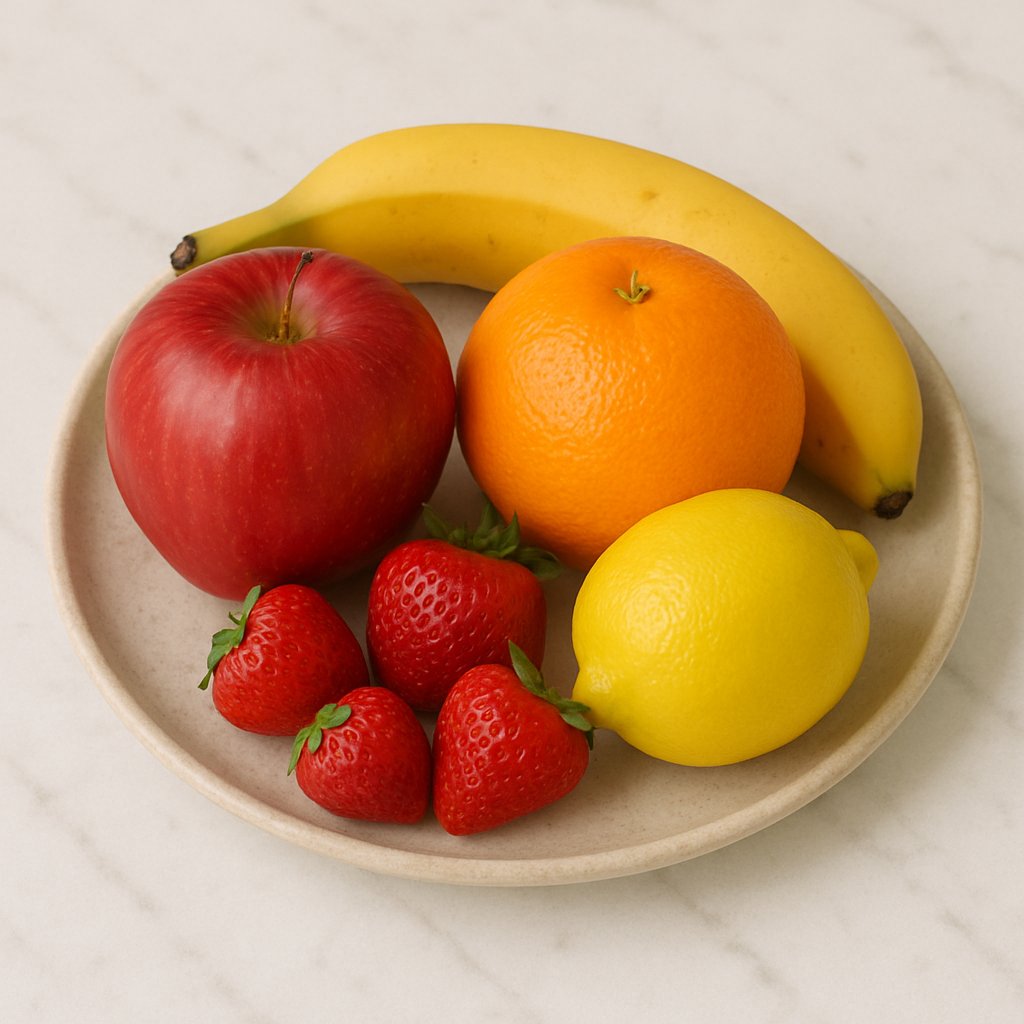
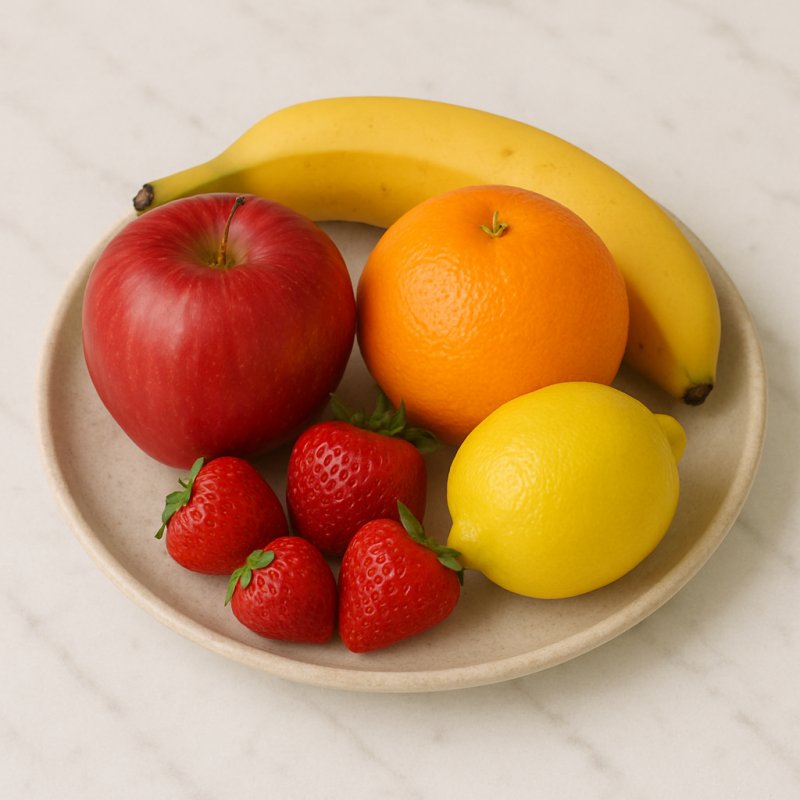
Fruit can be found in almost every part of the world and there are very many different kinds. Some fruits grow on trees, others on bushes or even on climbers. The origin of a fruit means where it originally comes from or where it grows best. For example, the banana originally comes from Southeast Asia, while the apple comes from Central Asia. Many fruits are now at home in many countries because people have planted them around for centuries.
Growing regions
Fruit grows in very different areas depending on the variety. Here are some typical examples, simply explained:
Fruit grows in very different areas depending on the variety. Here are some typical examples, simply explained:
- Apples: Often grow in cooler regions such as Central Europe or North America. They like sunny days and cold nights in winter.
- Bananas: Need warmth and a lot of rain, so they grow in tropical countries like Ecuador, Costa Rica or Indonesia.
- Oranges and citrus fruits: Prefer a Mediterranean climate with warm days and mild winters – important are Spain, Italy and parts of the Americas.
- Berries (strawberries, raspberries): Can grow in many gardens, often in more temperate regions and sometimes in greenhouses.
- Exotic fruits (mango, pineapple): Mostly come from warm, tropical countries such as India, Thailand or Costa Rica.
Because the climate in a place is important, fruits are often grown in the regions that suit them best. It's similar to clothing: you don't wear a winter coat when it's hot, and you don't wear shorts in the snow.
Available varieties and types
For each kind of fruit there are often many different varieties — these are slightly different versions of the same fruit. These varieties can differ in shape, size, color, taste or shelf life. Some are sweeter, others a bit more tart or crisper. Here are a few examples that show this:
For each kind of fruit there are often many different varieties — these are slightly different versions of the same fruit. These varieties can differ in shape, size, color, taste or shelf life. Some are sweeter, others a bit more tart or crisper. Here are a few examples that show this:
- Apples: There are sweet varieties like Gala, tart ones like Granny Smith and firmer ones like Braeburn. Different varieties are used for eating or baking.
- Bananas: The common yellow bananas are dessert bananas. There are also cooking bananas (plantains), which are larger and used for frying.
- Berries: Strawberries, blueberries and raspberries differ in size and juiciness. Some breeders have developed varieties that keep longer or are more frost-resistant.
- Citrus fruits: Oranges, mandarins, grapefruits and lemons are all citrus, but each has its own taste and uses.
- Exotics: Mango has different varieties like Alphonso or Kent that differ in aroma. Pineapple or kiwi also have different types.
Seasonality and availability
Fruit usually has a season, that is, a time of year when it is freshly harvested and tastes best. In summer there are many berries and cherries, in autumn we harvest apples and pears. Some fruits are available year-round in supermarkets because they are imported from other countries or grown in greenhouses. Imported fruit may look good, but it often has a long journey behind it — locally grown fruit that is in season usually tastes fresher.
Fruit usually has a season, that is, a time of year when it is freshly harvested and tastes best. In summer there are many berries and cherries, in autumn we harvest apples and pears. Some fruits are available year-round in supermarkets because they are imported from other countries or grown in greenhouses. Imported fruit may look good, but it often has a long journey behind it — locally grown fruit that is in season usually tastes fresher.
In summary: fruit comes from many parts of the world and there are many varieties. Climate and soil determine where which fruit grows well. The variety ensures that we can enjoy different fruits all year round — fresh from the region in season or as imports when we fancy something exotic.