Menu & categories

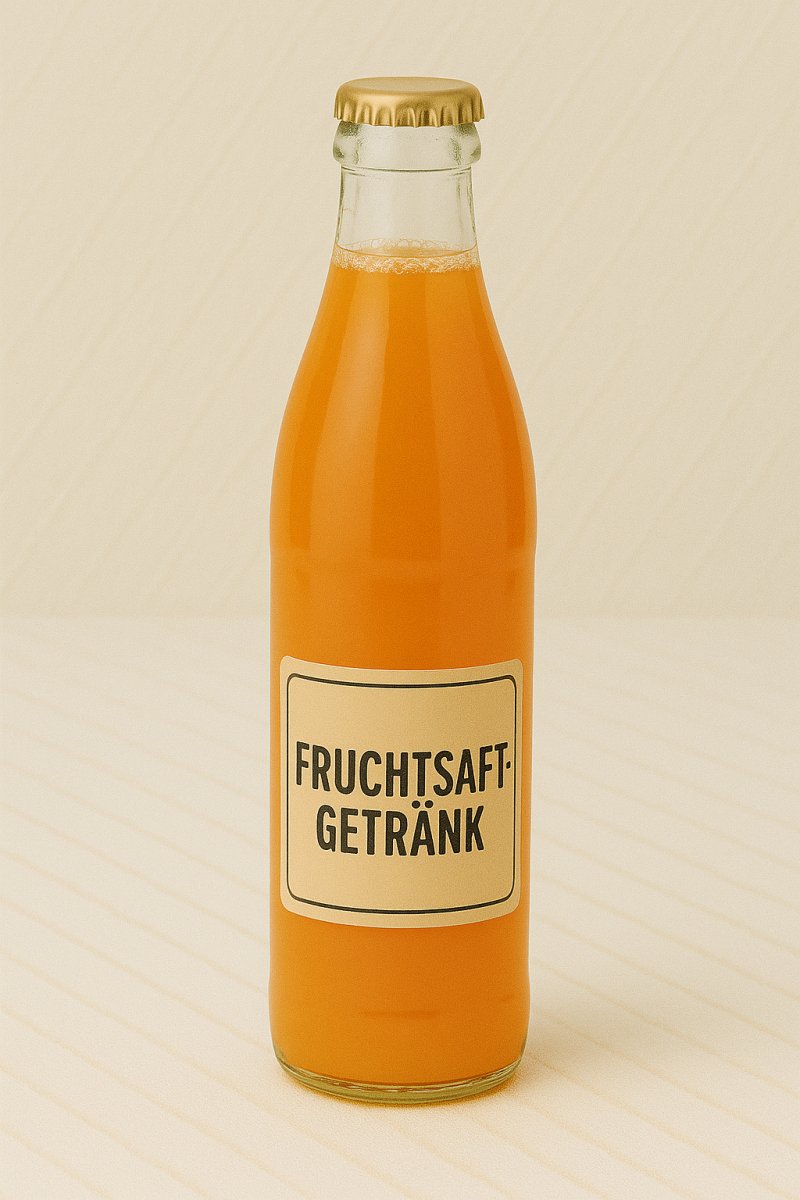
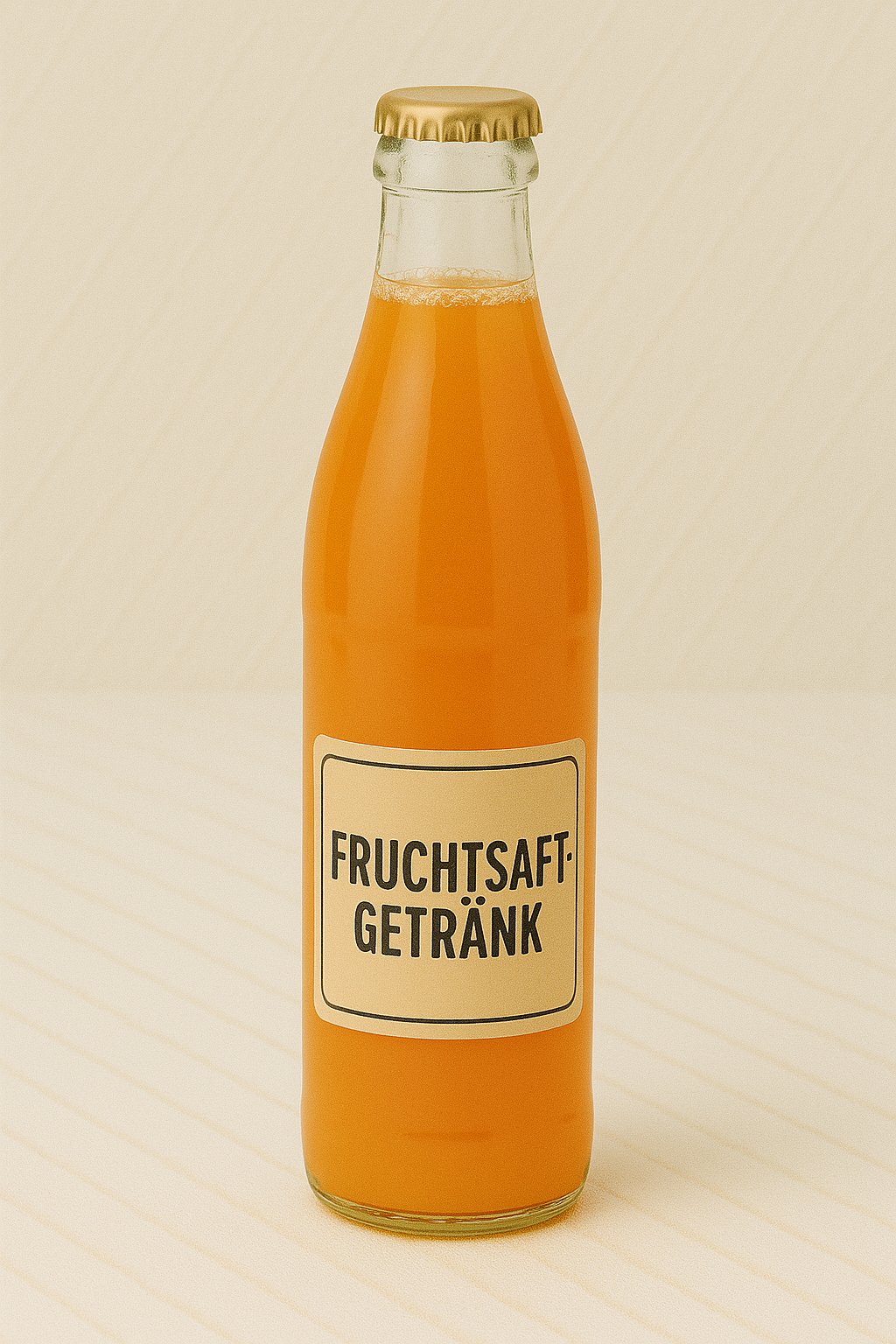
Fruit juice beverage

Refreshing drink with fruit content – usually sweetened and less fruity than 100% juice.

Wiki about fruit drink Nutri-Score D Vegan Yes Gluten-free Yes Lactose-free Yes Nut-free Yes
NUTRITION / 100 ml
45 kcal 0.1 g Protein 10.8 g Kohlenhydrate 0.1 g Fett

Introduction

Glass of fruit juice beverage
When I think of the word fruit juice beverage, I immediately see colorful bottles on supermarket shelves, childhood summers and improvised mixes on late brunch tables. A fruit juice beverage is more than just juice with water; it is a playground between nature and craft, where fruit content, sweetness and flavors juggle together. I particularly like how much variety is contained in this one ingredient label.

I still remember a rainy afternoon when a friend and I blind-tasted different varieties. One variety surprised us with an intense aroma, even though the fruit share was moderate. That taught me to pay attention to labels: direct juice tastes different from a product made from concentrate, additives can change the texture, and sugar often makes the difference between refreshing and heavy.

I also enjoy small kitchen experiments: a splash of fruit juice beverage in mineral water, as a base for non-alcoholic cocktails or together with fresh herbs. A colleague of mine swears by a spoonful of raspberry juice in yogurt because the acidity enlivens the dairy. Such combinations show how versatile this ingredient is.

When shopping I pay attention to the following points:

  • Fruit content: higher content usually means more intense flavor.
  • Ingredient list: whether sugar, flavors or preservatives are included.
  • Method of production: concentrate versus direct juice.
  • Usage idea: drink pure, mix or use in cooking.
In the end I value fruit juice beverages for their accessibility: they are a quick way to get flavor, color and a touch of summer, even when the sun is behind the clouds. Whether as a thirst-quencher, mixing partner or kitchen secret — a good fruit juice beverage can elevate a meal or sweeten a moment, and that is what makes the ingredient so appealing to me.

Availability & types

Availability and types

A fruit juice beverage is something you can easily find in many stores and places. You can buy it at the supermarket in bottles or cartons, drink it in cafés, get it from vending machines or sample it at markets. Some varieties sit on the shelf at room temperature, others are found in the chilled section. There are also single-use packs for school or small portion packs for on the go.

Origin and growing regions
Fruit juice beverages are made from many different fruits. Where these fruits grow depends on the climate:

  • Temperate zones (e.g. Central Europe, parts of North America): apples, pears and many berries grow here. These fruits are often the base of juices you see in autumn and winter.
  • Mediterranean regions (e.g. Spain, Italy): citrus fruits like oranges, lemons and grapefruits thrive there. These fruits provide many popular juices.
  • Tropical and subtropical regions (e.g. Brazil, Philippines): mango, pineapple, passion fruit or bananas grow here. Such juices are often offered as exotic varieties.
Many fruits are grown locally, others are imported. That means: an apple juice can come from a farm near you, while a mango or pineapple juice often comes from distant countries.

Available varieties
There are very many varieties of fruit juice beverages. Here are the most common:

  • Single-fruit juices: made from one type only, e.g. apple juice, orange juice or grape juice. Simple and clear in flavor.
  • Mixed juices: combinations like apple-cherry or orange-mango. They often taste more interesting because several aromas come together.
  • Exotic juices: mango, passion fruit, pineapple – these usually come from warmer countries.
  • Berry juices: currant, strawberry, raspberry – these are often more intense and sometimes somewhat tart.
Variants and terms explained simply
There are different ways fruit juice beverages are produced. Some terms briefly explained:

  • Direct juice: the juice is pressed fresh and usually processed immediately. It often tastes very natural.
  • Concentrate (juice concentrate): water is removed from the juice to reduce volume and ease transport. On site, water is then added back. Think of a syrup that is mixed with water before drinking – concentrate works similarly.
  • Nectar: used when the fruit is very pulpy or sour (e.g. peach). Nectar often contains added water and sometimes some sugar so it tastes pleasant.
  • Fruit juice beverage vs. 100% juice: a fruit juice beverage may contain water, sugar or flavors. 100% juice consists only of fruit, without added sweeteners.
Other variants
There are also carbonated fruit juice beverages (sparkling), variants with pulp (chunky) or smooth juices, juices fortified with vitamins, and organic juices from ecological farming. You can choose: something fruity to quench thirst, something exotic to try or a healthy 100% product for a little energy boost.

Overall, you find fruit juice beverages in many versions – local or imported, pure or mixed, still or fizzy – so there is something for every taste.
Details & nutrition

Property Value
Unit ml
Calories per 100 45
Protein per 100 0.1
Carbohydrates per 100 10.8
Sugar per 100 10.5
Fat per 100 0.1
Saturated fat per 100 0.0
Monounsaturated fat 0.0
Polyunsaturated fat 0.0
Fiber per 100 0.2
Vitamin C (mg) per 100 12
Vitamin D (IU) per 100 0
Calcium (mg) per 100 5
Iron (mg) per 100 0.1
Nutri-Score D
CO₂ footprint 0,35 kg CO2e/L
Origin EU/outside EU (depending on manufacturer and fruit base)
Gluten-free Yes
Lactose-free Yes
Nut-free Yes
Vegan Yes
Note Nutritional values can vary significantly depending on fruit content, added sugar and fortification (e.g. vitamin C).

Technical & scientific information


Fruit juice beverage denotes a ready-to-drink liquid composed of water, a variable proportion of fruit juice and possibly additional ingredients such as sweeteners, acidulants, flavors, stabilizers and preservatives. Unlike pure fruit juice or fruit nectar, fruit juice beverages typically have a substantially lower fruit content; this usually lies in the single-digit to low double-digit percentage range and varies according to manufacturer specifications and product category.

Chemical composition
The basis of a fruit juice beverage is water. Major dissolved components are reducing sugars (primarily fructose, glucose and sucrose), organic acids (e.g. citric acid, malic acid), dissolved minerals, volatile aroma compounds and aroma precursors, as well as traces of polyphenols and color pigments (anthocyanins, carotenoids). Additives may include ascorbic acid (vitamin C) as an antioxidant, calcium or citrate compounds as acidity regulators and sorbates or benzoates as preservatives. Dietary fibers and pectins are generally scarce in clear beverages, while in cloudy variants they are measurable as suspended solids or stabilizers.

Processing techniques
Industrial production comprises several stages: raw juice extraction and concentration, blending with water and additives, filtration and clarification processes, stabilization and thermal or alternative preservation. Common procedures include:

  • Filtration and enzymatic treatment for clarification and reduction of haze-forming substances.
  • Concentration by evaporation; many manufacturers rehydrate juice concentrate at filling.
  • Thermal treatments (short-time heating, pasteurization) for microbial stabilization.
  • High-pressure processing (HPP) or microfiltration as gentler alternatives to preserve volatile aromas and heat-sensitive vitamins.
  • Filling aseptically or in inertized atmosphere, possibly carbonated for sparkling versions.
Analytical characterization
For control and quality assessment, physico-chemical parameters are measured: Brix (total sugar content), pH, total acidity (titratable), ascorbic acid content, concentrations of individual sugars via HPLC and analysis of volatile aroma compounds by GC-MS. Microbiological tests detect yeasts, molds and spoilage bacteria.

Nutritional and health aspects
Fruit juice beverages primarily provide rapidly available energy in the form of free sugars; vitamins and secondary plant compounds depend on fruit content and processing and may be partially reduced. Regular consumption of sugar-rich beverages is associated with increased risk of overweight, type 2 diabetes and dental erosion. On the other hand, beverages with a significant fruit share can contribute micronutrients and antioxidant compounds. For consumers, labeling of fruit content and information on added sugar are relevant, as are indications of possible additives and preservatives used.

Sensory properties and stability
Sensory perception is dominated by sweetness and acidity as well as the specific aroma profile of the fruits used. Color stability depends on pH, oxygen exposure and light; enzymatic browning reactions are reduced by heat treatment or addition of sulfites/ascorbates. Microbiologically, fruit juice beverages are relatively robust against many pathogenic bacteria due to low pH values, but susceptible to fermentative yeasts and certain acid-tolerant microorganisms, which is why appropriate hygiene measures and preservation strategies are important.

Overall, fruit juice beverages are technically versatile products whose nutritional value and shelf life strongly depend on composition and production conditions. For an informed choice, declarations of fruit content, added sugar and used additives are decisive.

Wiki entry for: fruit drink
Active now: 24 visitors of which 2 logged-in members in the last 5 minutes