Menu & categories

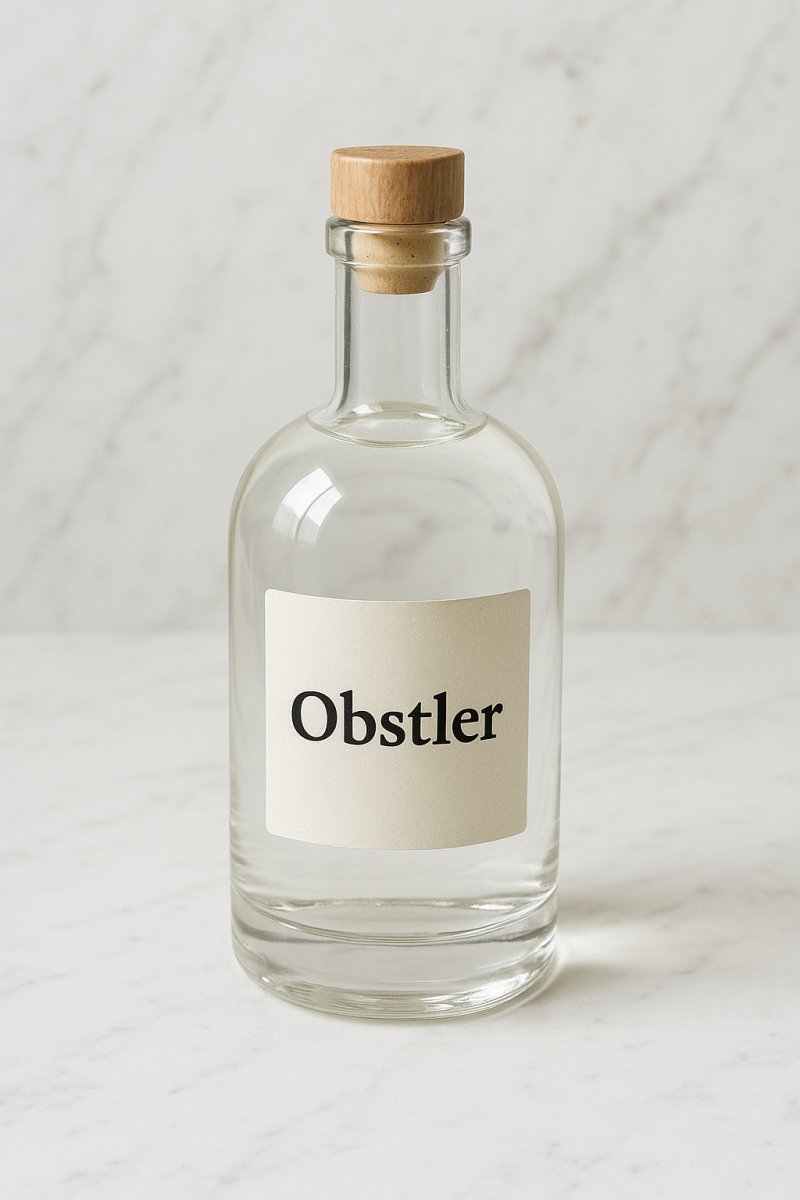
Obstler (fruit brandy)

Clear fruit brandy (usually from apple and pear) with a typical fruity aroma.

Wiki about fruit brandy Nutri-Score E Vegan Yes Gluten-free Yes Lactose-free Yes Nut-free Yes
NUTRITION / 100 ml
230 kcal 0.0 g Protein 0.0 g Kohlenhydrate 0.0 g Fett

Introduction

A glass of Obstler (clear fruit brandy)
The first time I tasted a hearty sip of Obstler, I thought someone had bottled the sun. I remember the evening clearly: warm wooden shingles by the fireplace, a bowl of freshly sliced pears and a glass that smelled of both fire and fruit. Since then this clear fruit brandy has accompanied me through many culinary moments.

Obstler is a traditional brandy made from various fruits, usually apples, pears, plums or cherries, and sometimes from a mixture of these. The fruits are fermented and distilled, producing a clear, aromatically intense spirit. On my travels I learned how varied Obstler can be: sometimes it evokes fresh meadow fruits, other times intense marzipan notes.

A colleague of mine swears by taking a sip of Obstler after heavy winter meals to feel as if the stomach has room for dessert again. I like to use it as a digestif, but also in cooking: a few drops in a plum compote make the fruit flavors shine, and a dash in a game jus adds depth without sweetness.

What I pay attention to when I taste Obstler:

  • Aroma: Fruity, sometimes floral, with fine wood or nut notes.
  • Taste: Clear and present, without being too sharp.
  • Finish: Longer and warm, often with a fruity aftertaste.
Obstler is often served at room temperature or slightly chilled in small glasses. I recommend sipping it slowly and exploring the aromas. For guests I often collect different varieties and hold small tastings, which always spark conversation.
A tip: good quality is recognizable by a balanced fruit character and a clean nose not overpowered by alcohol.

For me Obstler remains a piece of home in liquid form: down-to-earth, adaptable and surprisingly versatile. It pairs with cheese, with baked goods and sometimes simply with a good evening conversation when the world briefly stands still.

Availability & types

Availability and types of Obstler

An Obstler is a fruit brandy. It can be compared to the juice of fermented fruit that is then turned into a clear drink. Obstler comes mainly from Central Europe – from countries such as Germany, Austria and Switzerland. There have long been fruit trees in gardens and on traditional orchard meadows there, and people learned to turn fruit into something durable.

Where does the fruit for Obstler grow?
The fruit for Obstler grows where our garden plots or orchards are located. Typical growing regions include:

  • Bavaria and Baden-Württemberg (Germany) – many traditional orchard meadows with apples and pears.
  • Austrian regions such as Styria or the Waldviertel – known for apricots (Marillen) and plums (Zwetschgen).
  • Swiss fruit regions – small, fine distilleries often process fruit from their own orchards.
  • Also in other parts of Europe, in orchards or on small farms, fruit for Obstler is grown.
Which fruits and varieties are there?
Obstler can be made from many different fruits. It is often distinguished by the fruit, much like ice cream flavors. Important examples include:

  • Apple (apple brandy) – mild and fruity, like apple juice but more concentrated.
  • Pear – the Williams pear is particularly well known (often just called “Williams”).
  • Plum – somewhat sweeter and more robust.
  • Cherry (kirsch) – very fruity and sometimes slightly floral on the nose.
  • Apricot – intensely scented of summer.
  • Mirabelle – small yellow plums with a delicate sweetness.
Variants of Obstler
Obstler comes in different forms so everyone can find something suitable:

  • Single-fruit – made from a single fruit, e.g. pure pear brandy.
  • Mixed – several fruits together, creating new aromas, like a fruit salad in a glass.
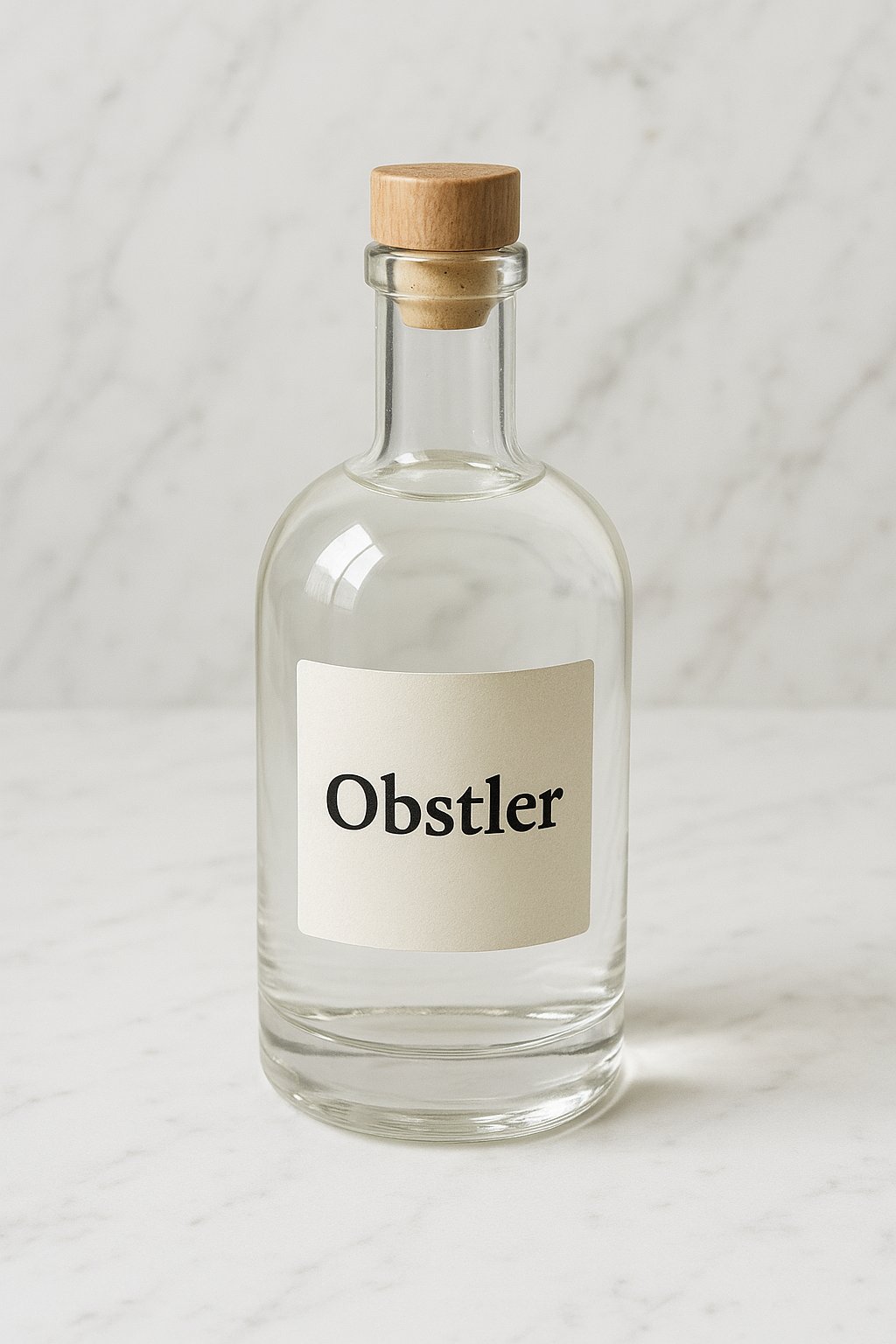
  • Clear – directly after production, it looks almost like water.
  • Barrel-aged – aged in wooden barrels, it acquires a slight color and a rounded taste (comparable to aged cheese that needs time to mature).
  • Homemade by farmers – small local distilleries often offer special, seasonal varieties.
Where can you buy Obstler?
Obstler can be found in many shops, but not everywhere in the same way. Typical places to buy include:

  • Supermarkets and specialist liquor stores
  • Directly from the fruit grower or at small distilleries (often at markets or in farm shops)
  • Fine specialty shops or online shops for regional products
Important to know: Obstler is an alcoholic beverage and therefore intended only for adults. For children it is useful to know that these beverages come from real fruit and are often offered as a regional product. Those who want to try different varieties will often find small tastings at farms or markets – there you can discover different aromas and learn more about the origin.
Details & nutrition

Property Value
Unit ml
Calories per 100 230
Protein per 100 0.0
Carbohydrates per 100 0.0
Sugar per 100 0.0
Fat per 100 0.0
Saturated fat per 100 0.0
Monounsaturated fat 0.0
Polyunsaturated fat 0.0
Fiber per 100 0.0
Vitamin C (mg) per 100 0.0
Vitamin D (IU) per 100 0
Calcium (mg) per 100 0
Iron (mg) per 100 0.0
Nutri-Score E
CO₂ footprint 0.12
Origin Germany/Austria (depending on producer)
Gluten-free Yes
Lactose-free Yes
Nut-free Yes
Vegan Yes
Note Alcoholic beverage (typically about 38–40% vol). Nutritional values may vary slightly depending on producer and alcohol content.

Technical & scientific information


Obstler denotes in Central European beverage and distilling culture a clear fruit brandy obtained by fermentation and subsequent distillation of whole fruits or fruit mashes. Typical starting materials are apples, pears, plums, cherries, apricots and other stone and pome fruits. Obstler is characterized sensorially by fruity esters, aldehyde-based aroma components and, where applicable, almond-like notes that vary depending on the fruit type.

Raw materials and pre-treatment: For mash preparation ripe fruits are crushed and often processed with skins and pits to preserve aroma compounds. The sugar content of the fruit determines the maximum ethanol potential; in apples and pears it is typically lower than in sweet stone fruits. Enzymatic activity, particularly from pectinases, affects juice yield and the availability of pectin, a precursor of metabolic by-products such as methanol.

Fermentation: Alcoholic fermentation is usually carried out by Saccharomyces cerevisiae or wild yeasts. Sugars (glucose, fructose, sucrose) are metabolized to ethanol and carbon dioxide; at the same time by-products such as higher alcohols (fusel alcohols), organic acids and esters are formed. Fermentation temperature, nutrient supply, pH and yeast strain determine the profile of by-products and thus the later aroma of the Obstler.

Distillation and analytics: Distillation is often carried out in copper pot stills because copper binds sulfur compounds and thus reduces sensorily disturbing substances. Fractionation into heads, hearts (middle run) and tails allows the separation of volatile harmful components such as methanol (more common in pectin-rich fruits) and higher-boiling compounds. Chemically relevant accompanying substances include:

  • Ethanol (main component, alcohol content typically 36–45 % vol.).
  • Methanol, formed from pectin-rich cell walls by pectin methylesterase; requires careful distillation practice and regulatory control.
  • Higher alcohols (e.g. isoamyl alcohol), which contribute to complexity but at high concentrations can cause alcoholic, sharp notes.
  • Esters (e.g. ethyl acetate, isoamyl acetate), responsible for fruity aromas.
  • Aldehydes and phenols, including benzaldehyde in stone fruits, which can convey almond-like aromas.
Legal and safety aspects: Because of methanol formation and potentially toxic cyanogenic compounds in stone fruit kernels, there are legal limits and production regulations in the EU and in national frameworks. Producers observe distillation cuts, quality controls and, where appropriate, debottlenecking techniques to safely avoid toxic concentrations.

Nutritional values and health information: After distillation Obstler contains virtually no carbohydrates or proteins; its caloric content derives mainly from ethanol (about 7 kcal/g). A 100-ml glass at 40 % vol. contains approximately 220–230 kcal; typical serving sizes are much smaller. Health-relevant aspects correspond to those of alcoholic beverages in general: acute intoxication, long-term risks with regular consumption, interactions with medications and liver toxicity. Moderation and adherence to legal age and consumption regulations are therefore advised.

Sensory properties and storage: Fresh Obstler usually remains clear and is consumed unclarified; barrel aging in wooden casks can introduce additional aromas such as vanillin, tannins and coloration. Micro-oxidation and chemical transformations (e.g. slow ester hydrolysis) change the aroma over storage time.

Overall, Obstler combines traditional artisanal practice with chemical and microbial processes: targeted control of raw material selection, fermentation and distillation determines quality, safety and the complex aroma profile of this classic fruit brandy.

Wiki entry for: fruit brandy
Active now: 18 visitors of which 2 logged-in members in the last 5 minutes