Availability and types
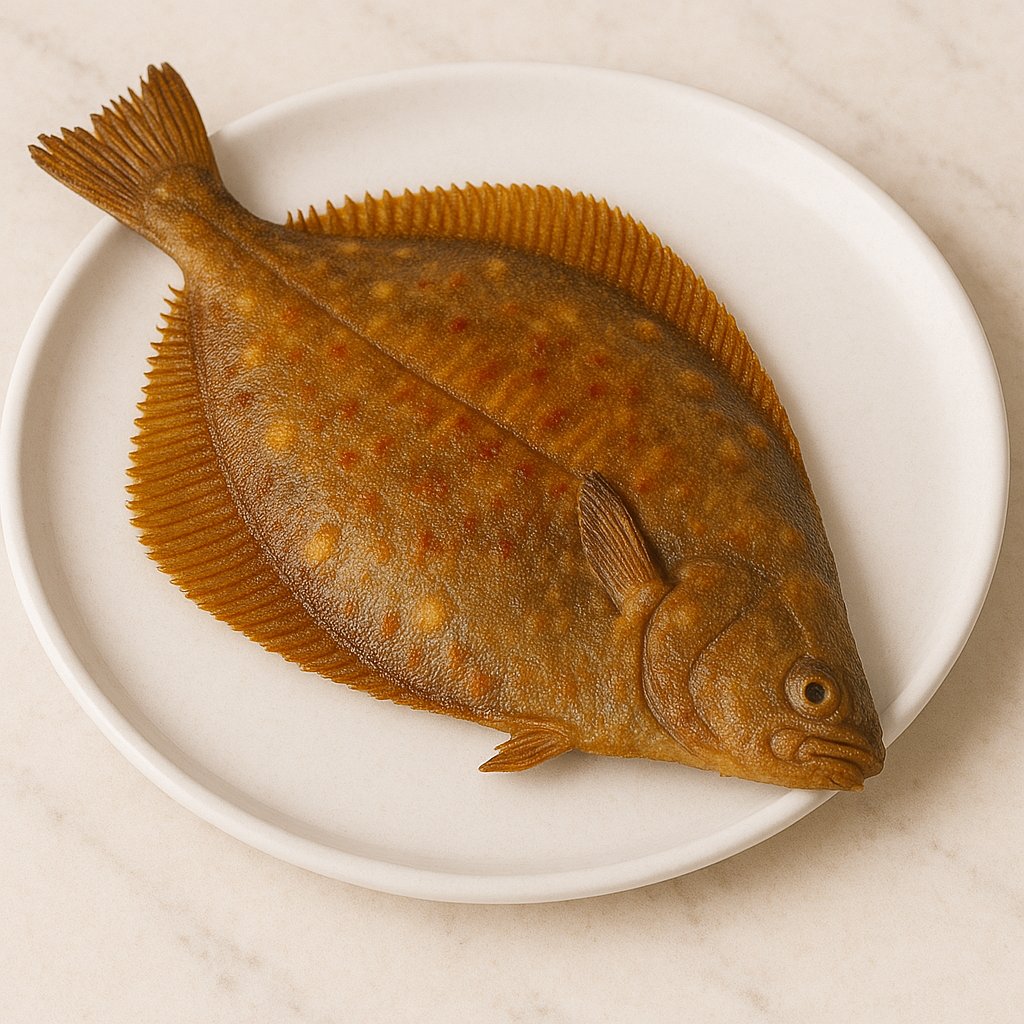
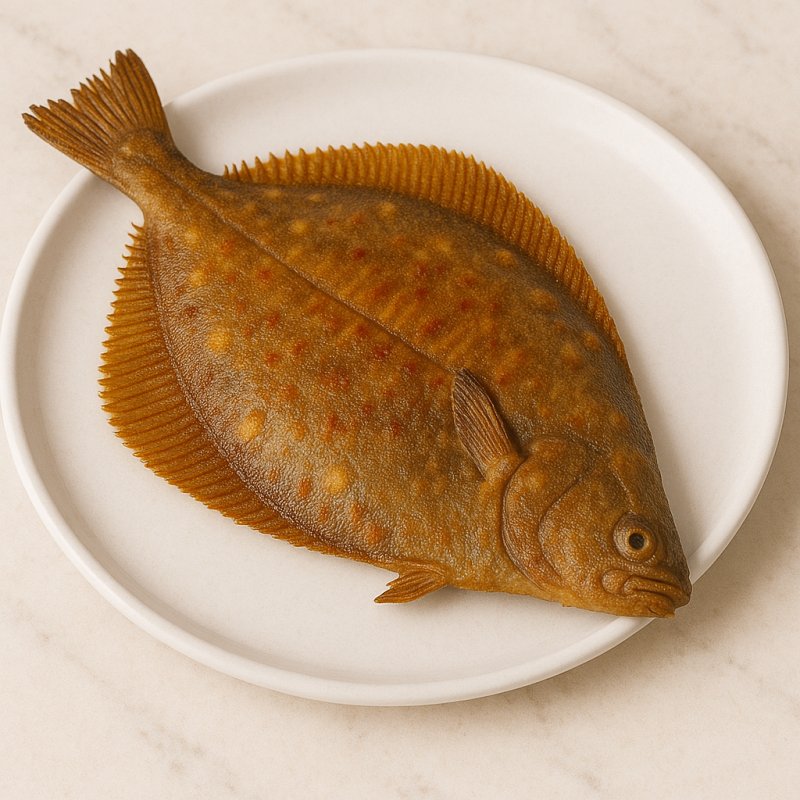
The flounder is a small, flat marine fish found in many parts of Europe. When talking about availability, this means when and where this fish can be caught or purchased. Flounders live mostly in coastal waters and in shallow, sandy marine areas. This makes them easier to find in spring and summer because they often move closer to shore then. In some regions flounders are available all year round, in others there are closed seasons so that stocks can recover — it is like a break so that there will be enough fish again later.
The origin of flounder is straightforward: it comes from the sea, mainly from the Northeast Atlantic and the North Sea. It can also be found in the eastern Atlantic up to the Spanish and Portuguese coasts. Flounders thrive particularly well in the Baltic Sea and in many coastal waters of the North Sea. So if you see a flounder in the supermarket, it most likely comes from these seas.
There are different types and varieties of flatfish that are commonly called “flounder” in everyday use. Some are closely related, others only look similar. The main variants can be described as follows:
- True flounder (Solea solea): This is the classic flounder often found on menus. It has an oval shape, is colored on one side and likes to lie flat in the sand. It is recognized by its darker upper side that blends with the sea bottom.
- Plaice: Plaice is a relative of the flounder and very popular to eat. It looks similar but is often a bit thicker and has slightly coarser skin. Many people use the terms flounder and plaice interchangeably in everyday language.
- Flatfishes in general: These include juveniles and other flatfish species that are grouped under the general term “flatfishes.” They all have one thing in common: they are flat and swim on their side.
If you want to buy flounder, there are several options:
- Fresh catch: Directly from the fisherman or at the fish market you often find freshly caught flounder. These are best when you notice their moist, shiny appearance and a slight sea scent.
- Frozen: Many fish retailers sell flounder frozen. This is practical because frozen fish lasts longer and can be thawed as needed.
- Fillets or whole fish: You can buy flounder whole or already gutted and filleted. Fillets are easy to cook and especially popular with children because there are no bothersome bones.
A good tip: Pay attention to origin labels and certifications that show whether the fish was caught responsibly. Some fisheries catch too many fish, others take care not to remove too many. A comparison would be: if a garden is harvested of too many fruits at once, the tree may yield less later — the same applies to fish, so fishing rules help the stocks.
In summary, flounder is a readily available coastal fish, mainly from the North Sea, the Baltic Sea and the Northeast Atlantic. There are true flounders, plaice and other flatfishes that look similar. You can find them fresh, frozen, whole or as fillets in trade. Paying attention to fishing seasons and sustainable origin labels helps ensure that flounder remain in the sea in the future.