Menu & categories

Flounder

Lean edible fish with tender, mild flesh

Wiki about flounder Nutri-Score A Vegan No Gluten-free Yes Lactose-free Yes Nut-free Yes
NUTRITION / 100 g
90 kcal 18 g Protein 0 g Kohlenhydrate 2 g Fett

Introduction

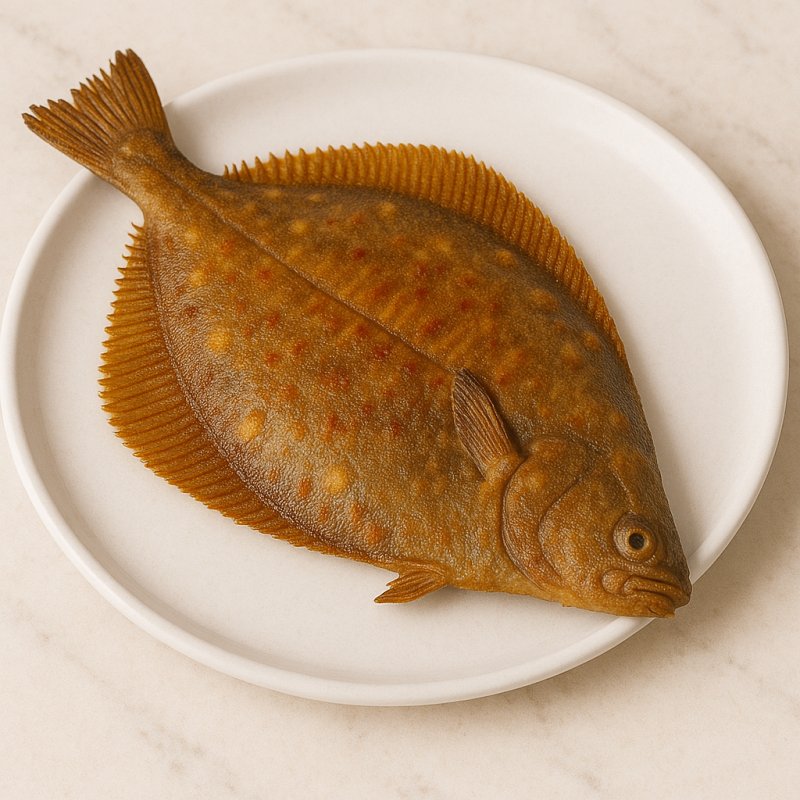
Raw flounder whole fish on ice
I still clearly remember the first afternoon when flounder was really introduced to me: a market stall at the harbor, the smell of salt and fried fish in the air, and a friendly saleswoman laying out a particularly flat-looking, silvery shimmering flounder. I bought it on impulse because it looked so inconspicuous, and at home this small, plainly looking fish became a dinner I have not forgotten for a long time.

Flounder belongs to the flatfishes and is a reliable classic on plates in many coastal regions. I especially like its delicate texture and the mild, slightly sweet taste that leaves room for varied seasonings without overpowering the inherent flavor. The flesh is firm, yet buttery-tender if not overcooked, and the bones are relatively limited, which makes filleting easier – a blessing when you want to impress guests but don't want to spend hours in the kitchen.

In my kitchen flounder has taken on many roles: from a quick pan with lemon-butter to an elaborate, spiced crust for a festive meal. A colleague of mine swears by the combination of dill, mustard and honey – a mix that surprisingly harmonizes well with the subtle flavor. When I braise flounder, I make sure to cook it only briefly and at medium heat; afterwards it stays juicy and retains its fine texture.

Things worth knowing at a glance:

  • Origin: Mostly found in European coastal waters.
  • Taste: Mild, slightly sweet, unobtrusive.
  • Preparation: Quick frying, steaming, poaching or baking whole.
  • Nutritional value: High in protein, usually low in fat, good source of omega‑3.
I find it exciting how versatile flounder is: it fits both on simple market-plate dishes and on festively laid tables. When I have guests, I like to pair it with simple sides like boiled potatoes and a crisp salad – that lets the fish speak. Sometimes I serve it with bolder flavors, such as capers and olives, when I want a Mediterranean touch.

In the end flounder is for me a little all-round talent of the kitchen: accessible, versatile and uncomplicated to handle. It brings the sea to the plate without much fuss, and ensures that even a spontaneous cooking evening creates memories one will long recall with a smile.

Availability & types

Availability and types

The flounder is a small, flat marine fish found in many parts of Europe. When talking about availability, this means when and where this fish can be caught or purchased. Flounders live mostly in coastal waters and in shallow, sandy marine areas. This makes them easier to find in spring and summer because they often move closer to shore then. In some regions flounders are available all year round, in others there are closed seasons so that stocks can recover — it is like a break so that there will be enough fish again later.

The origin of flounder is straightforward: it comes from the sea, mainly from the Northeast Atlantic and the North Sea. It can also be found in the eastern Atlantic up to the Spanish and Portuguese coasts. Flounders thrive particularly well in the Baltic Sea and in many coastal waters of the North Sea. So if you see a flounder in the supermarket, it most likely comes from these seas.

There are different types and varieties of flatfish that are commonly called “flounder” in everyday use. Some are closely related, others only look similar. The main variants can be described as follows:

  • True flounder (Solea solea): This is the classic flounder often found on menus. It has an oval shape, is colored on one side and likes to lie flat in the sand. It is recognized by its darker upper side that blends with the sea bottom.
  • Plaice: Plaice is a relative of the flounder and very popular to eat. It looks similar but is often a bit thicker and has slightly coarser skin. Many people use the terms flounder and plaice interchangeably in everyday language.
  • Flatfishes in general: These include juveniles and other flatfish species that are grouped under the general term “flatfishes.” They all have one thing in common: they are flat and swim on their side.
If you want to buy flounder, there are several options:

  • Fresh catch: Directly from the fisherman or at the fish market you often find freshly caught flounder. These are best when you notice their moist, shiny appearance and a slight sea scent.
  • Frozen: Many fish retailers sell flounder frozen. This is practical because frozen fish lasts longer and can be thawed as needed.
  • Fillets or whole fish: You can buy flounder whole or already gutted and filleted. Fillets are easy to cook and especially popular with children because there are no bothersome bones.
A good tip: Pay attention to origin labels and certifications that show whether the fish was caught responsibly. Some fisheries catch too many fish, others take care not to remove too many. A comparison would be: if a garden is harvested of too many fruits at once, the tree may yield less later — the same applies to fish, so fishing rules help the stocks.

In summary, flounder is a readily available coastal fish, mainly from the North Sea, the Baltic Sea and the Northeast Atlantic. There are true flounders, plaice and other flatfishes that look similar. You can find them fresh, frozen, whole or as fillets in trade. Paying attention to fishing seasons and sustainable origin labels helps ensure that flounder remain in the sea in the future.
Details & nutrition

Property Value
Unit g
Average weight per piece 600
Calories per 100 90
Protein per 100 18
Carbohydrates per 100 0
Sugar per 100 0
Fat per 100 2
Saturated fat per 100 0.5
Monounsaturated fat 0.6
Polyunsaturated fat 0.7
Fiber per 100 0
Vitamin C (mg) per 100 0
Vitamin D (IU) per 100 200
Calcium (mg) per 100 20
Iron (mg) per 100 0.4
Nutri-Score A
CO₂ footprint 2.5
Origin Northeast Atlantic and North Sea, fisheries
Gluten-free Yes
Lactose-free Yes
Nut-free Yes
Vegan No
Note Nutritional values refer to raw flounder fillet without breading or marinade; actual values may vary slightly depending on catch area and processing.

Technical & scientific information

Flounder refers in culinary and biological terminology to several flatfish species of the families Pleuronectidae and Soleidae that are commonly used as food fish. Typical representatives are the common flounder (Platichthys flesus) and related species, characterized by a flattened, laterally compressed body and both eyes on one side of the body. Flounders predominantly inhabit coastal waters of the North Atlantic and the North Sea as well as brackish water zones and estuaries. They are ecologically important as benthic predators and as a food source for larger predatory fish and seabirds.

Macroscopic features and anatomy
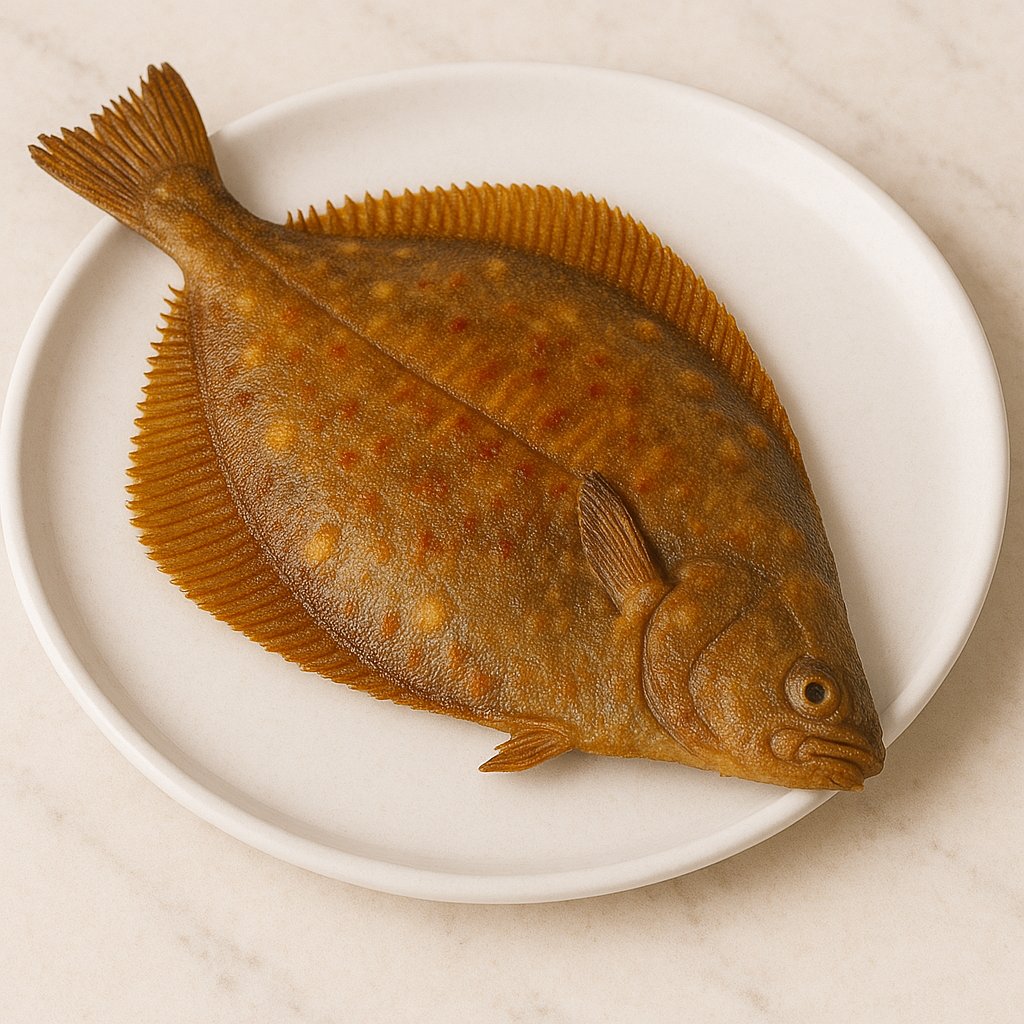
Depending on the species, flounders reach lengths from a few decimeters up to about 50 centimetres. The dorso-ventrally flattened body, the asymmetric eye arrangement and a pigmented side with a pale underside are typical features. The musculature is mostly white to cream-coloured, in some species slightly yellowish. The skin exhibits mucus layers and mucous glands that serve as protection against parasites and mechanical stress.

Chemical composition and nutritional values
Flounder fillets consist largely of water (typically 70–80 %), protein (≈ 18–22 %) and fat (variable, usually 1–6 %). Fat content is seasonal and depends on feeding conditions as well as the fish's sex and weight. The musculature contains all essential amino acids in balanced proportions, making flounder a high-quality protein source. Lipid profile: with low total fat, polyunsaturated fatty acids, particularly the omega‑3 fatty acids eicosapentaenoic acid (EPA) and docosahexaenoic acid (DHA), are present in moderate amounts. Micronutrients include significant amounts of vitamin B12, niacin (B3), phosphorus, selenium and iodine, although actual values vary by fishing area.

Processing and culinary properties
Flounder can be processed in many ways: raw (as part of dishes like ceviche, if fresh and properly handled), fried, steamed, baked or breaded. Because of the thin fillets flounder cooks very quickly and therefore requires short cooking times to prevent drying out. Industrial processing includes filleting, portioning, smoking and freezing. The texture is tender and flaky; the taste is mild, with a delicate, slightly sweet note.

Food hygiene and safety aspects
As with other marine fish, microbiological and chemical risks must be considered. Raw consumption requires measures to inactivate parasites (e.g. Anisakis) by suitable freezing according to food hygiene regulations. Heavy metals such as mercury are generally lower in smaller flatfishes than in large predatory fish, yet contaminant levels vary with environmental pollution. Proper cold chain maintenance, hygienic processing and inspection for visible parasite findings are important safety measures.

Health aspects
Regular consumption of flounder can have beneficial effects on cardiovascular health and inflammatory parameters due to its protein content and omega‑3 fatty acids. For allergy sufferers the same risk assessment applies as for other fish: fish allergens, especially parvalbumin, can trigger allergic reactions. Pregnant and breastfeeding individuals should follow recommended limits for fish consumption according to regional advice and measured contaminant levels.

Sustainability and fishing methods
Flounders are caught with various methods including gillnets, bottom trawls and demersal seining. Environmental impacts vary: trawling can affect benthic substrates and bycatch, while more selective fishing methods have lower side effects. Regional stock assessments and management plans provide guidance on sustainable catch levels; consumers can look for certifications and local catch information to make environmentally responsible choices.

In summary, flounder is a nutritionally valuable, mild-tasting food fish ingredient with low to moderate fat content, a good amino acid profile and useful micronutrients. With appropriate processing and adherence to hygiene and sustainability criteria, it represents a versatile ingredient in modern cuisine.

Wiki entry for: flounder
Active now: 18 visitors of which 2 logged-in members in the last 5 minutes