Menu & categories

Fish sticks

Breaded, pre-cooked fish product made from pieces of fish fillet

Wiki about fish stick Nutri-Score C Vegan No Gluten-free No Lactose-free Yes Nut-free Yes
NUTRITION / 100 g
220 kcal 12 g Protein 22 g Kohlenhydrate 9 g Fett

Introduction

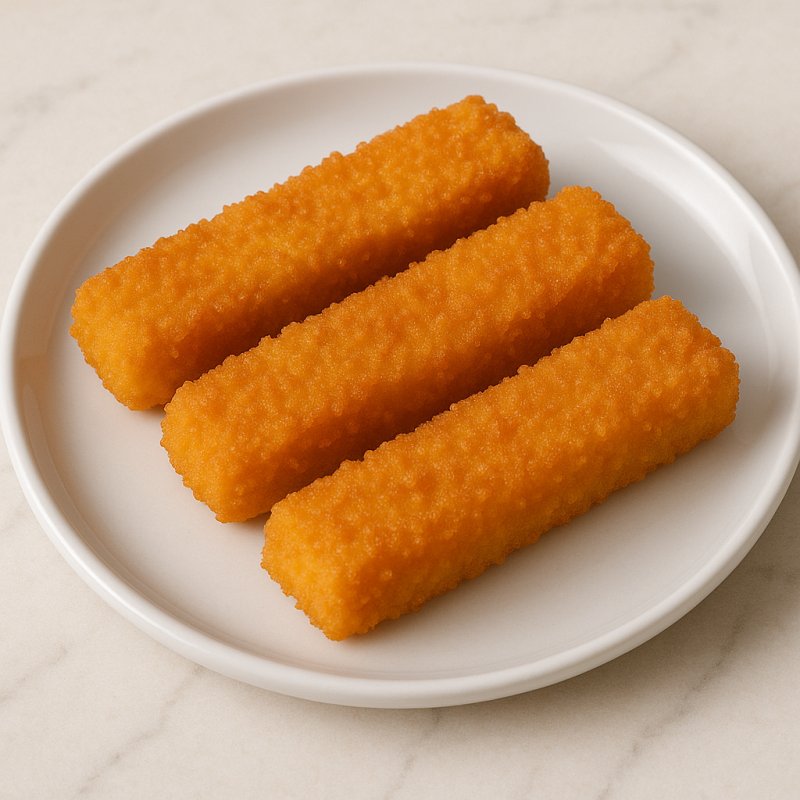
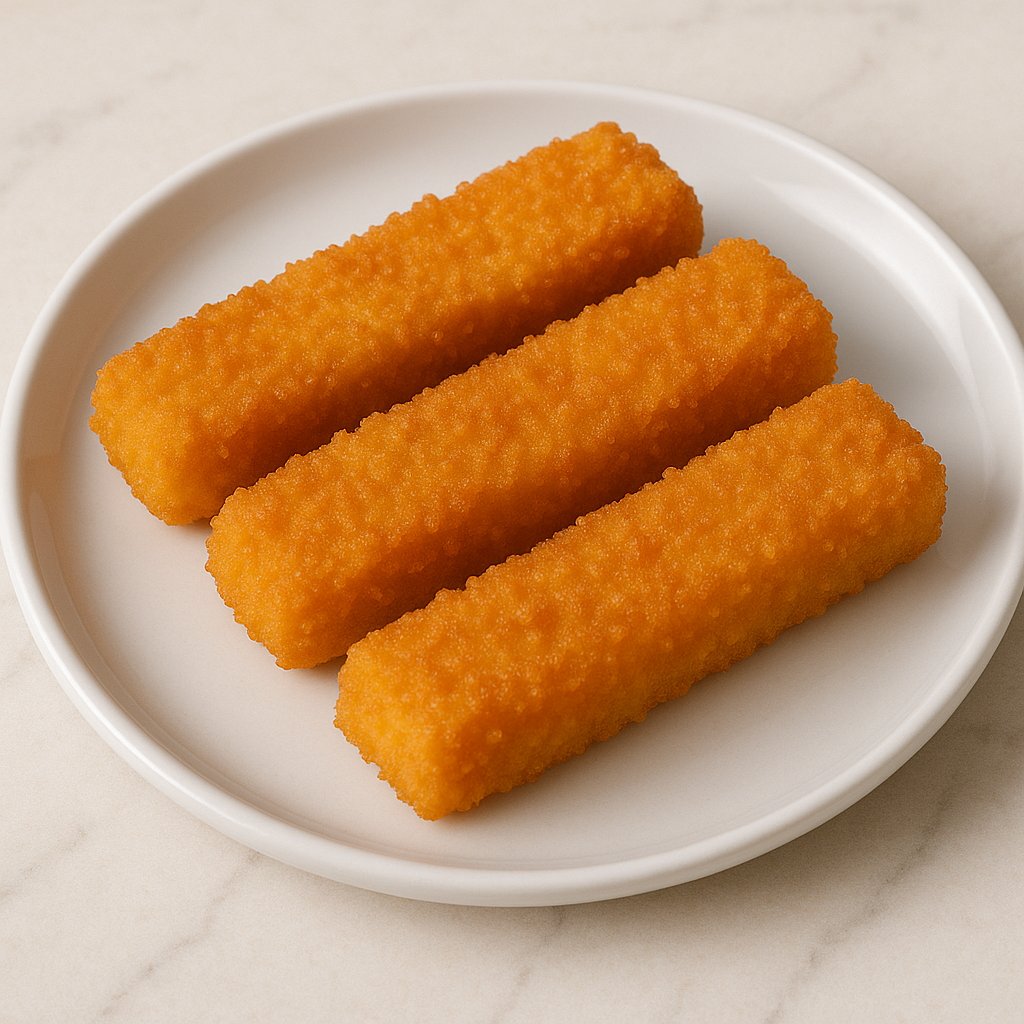
Several golden-brown fried fish sticks on a plate
I still remember exactly the smell that spread through the stairwell when my neighbour took fish sticks out of the oven: warm, crispy and a bit childlike, as if they had the power to turn any serious meal into a cheerful celebration. For me fish sticks are more than just quick food; they connect memories, flavour and an astonishing versatility in the kitchen. As someone who likes to experiment, I find it fascinating how simple fillets and a crunchy coating can create a dish that endures across generations.

Fish sticks have their charm precisely because they are so familiar and yet so variable. I have baked them in the oven, fried them in a pan, crumbed and reinterpreted them: once as a crunchy filling in wraps, another time in a warm salad with arugula and mustard‑dill dressing. A colleague of mine swore by serving them with a squeeze of lemon and homemade remoulade – the simple combination brings an astonishing depth.

When I think of the ingredients, I value the balance between practicality and quality. Good fish flesh, a stable coating and fresh spices make the difference. I have learned that slightly frozen fish sticks, cooked at the right temperature, stay crispy outside and tender inside. Small tricks, like preheating the baking tray or a drizzle of olive oil over the coating, often improve the result tremendously.

For many, fish sticks are synonymous with comfort food, but they also offer culinary room to play. I have paired them for a quick dinner with pea purée, layered them in a crunchy burger bun and even used them as a savoury component in vegetable skillets. The dishes that emerge can be down‑to‑earth and yet surprisingly elegant.

  • Versatility: suit salads, sandwiches and side dishes.
  • Practicality: quick to prepare and storable.
  • Enjoyment factor: crispy on the outside, tender inside – a comforting texture.
In the end I love fish sticks because they tell stories: of childhood, of kitchen experiments with friends and of spontaneous dinners that turn little effort into great pleasure. When I ask someone for a simple, honest dish that still leaves room for creativity, I often say fish sticks – and usually I get a smile as warm as the smell that once filled the stairwell.

Availability & types

Availability and types of fish sticks

Fish sticks are easy to find in many supermarkets and even in some smaller shops. They are part of the frozen food section, meaning they are sold frozen to keep them fresh for longer. You will usually find them in the freezer next to the fries and other ready meals. In some large stores there are even multiple shelves with different brands and variants – from cheap own‑label products to more expensive options.

Origin
Fish sticks are made from fish fillet that is breaded and pre‑baked or pre‑fried. The fish used often comes from various seas or fish farms. Common species include cod, pangasius and pollock (sometimes called Alaska pollock). Cod lives in cold seas such as the Atlantic, pangasius typically comes from large river farms in Southeast Asia, and pollock is often caught in the North Atlantic or the North Pacific. Packaging often states the country of origin of the fish or whether it comes from a farm.

Fishing and farming areas
To help a child imagine it: fish are either caught in the wild or raised in “water farms”, similar to chickens on a farm, but in water. Important fishing and farming areas are:

  • North Atlantic and the North Sea: much cod and pollock come from here.
  • North Pacific: pollock and other marine fish are also caught here.
  • Southeast Asia: pangasius often comes from large farms here.
Some manufacturers also indicate on the package which fishing method was used (for example netting or trawling). This is important because different methods can have different effects on fish and the sea.

Available types and variants
Fish sticks come in many different versions. Here are some common variants, explained simply:

  • Classic fish sticks: these are the normal, usually breaded sticks with white fish flesh. They are crispy outside and soft inside.
  • With wholegrain coating: these have a coating made from wholegrain crumbs, i.e. from healthier bread that contains more fibre. They often taste a little nuttier.
  • Without coating (fillets): some prefer just the fish fillet, simply seasoned and frozen, without a crispy shell.
  • With special coatings: there are variants with herbs, with cheese or even with cornflake or coconut coatings, which taste different and are crispy.
  • For children or mini portions: smaller fish sticks or special packs for children are often available, usually with milder seasoning.
  • Vegetarian or vegan alternatives: these look like fish sticks but are made from plant‑based ingredients (for example pea or soy protein) and taste similar while being fish‑free.
Buying tips
On the packaging you can often see which fish was used and where it comes from. Some packs also carry labels for sustainable fishing; such labels indicate that fishing or farming practices took environmental concerns into account. If you want to try something, taste different brands or varieties to discover which you like best.

Overall, fish sticks are therefore very easy to obtain and there are many different types – from classic to vegetarian variants – so there is something for many tastes and needs.
Details & nutrition

Property Value
Unit g
Average weight per piece 30
Calories per 100 220
Protein per 100 12
Carbohydrates per 100 22
Sugar per 100 1
Fat per 100 9
Saturated fat per 100 1
Monounsaturated fat 4
Polyunsaturated fat 3
Fiber per 100 1.5
Vitamin C (mg) per 100 0
Vitamin D (IU) per 100 80
Calcium (mg) per 100 20
Iron (mg) per 100 0.7
Nutri-Score C
CO₂ footprint 3.0
Origin Varies by manufacturer, typically fish from marine fisheries or aquaculture
Gluten-free No
Lactose-free Yes
Nut-free Yes
Vegan No
Note Nutritional values for frozen, breaded fish sticks before preparation; exact values may vary depending on brand, proportion of breading and fat absorption during frying.

Technical & scientific information

Fish sticks are breaded, pre‑prepared strips of fish fillet that are widely used as frozen or chilled ingredients in households and the catering industry. Originally developed in the mid‑20th century, fish sticks aim to standardize fish processing, increase shelf life and provide consumers with uncomplicated cooking options. Their composition, production and nutritional properties vary depending on raw material, recipe and degree of processing.

Raw materials and composition
The primary ingredient is white fish flesh; commonly used species include Alaska pollock (Gadus chalcogrammus), cod, pangasius or other similar fish. In addition, fish sticks typically contain a coating of flour, breadcrumbs or cornflakes, vegetable oils, water as well as binders and stabilizers. Spices, salt and sometimes milk powder or egg are used to build flavour and improve texture. Processed products often contain functional additives such as phosphates, modified starches, protein isolates and emulsifiers that optimize water binding, texture stability and behaviour during heating.

Chemical and physical properties
Fish flesh consists mainly of water (typically 60–80 %), proteins (approx. 15–25 %), lipids (1–15 %, highly dependent on species) and smaller amounts of carbohydrates, minerals and vitamins. Muscle proteins (myosin, actin) determine texture; they denature and coagulate on heating, producing the firm, fibrous structure. Phosphates and salt additions increase the water‑binding capacity of proteins by changing pH and ionic strength, resulting in juicier products. The coating affects heat transfer and fat uptake during frying or baking and contributes substantially to the crust through Maillard reactions and starch gelatinization.

Nutritional values and dietetic aspects
Nutritional values vary according to fish species and coating proportion; typical values per 100 g are 150–250 kcal, 10–15 g protein, 8–15 g fat and 10–20 g carbohydrates. Fish provides high‑quality protein rich in essential amino acids as well as fat‑soluble vitamins (A, D) and trace elements such as iodine, selenium and zinc. Fatty species or oil‑prepared products also provide omega‑3 fatty acids (EPA, DHA), which have anti‑inflammatory effects. At the same time, processed fish products can contain elevated amounts of sodium and added fat, so caution is advised for dietary recommendations sensitive to salt and fat.

Processing methods
Industrial production includes several steps: filleting, checking for bones, portioning, shaping (e.g. by enclosing fish mass or cutting fillets), breading and pre‑frying or freezing. Pre‑frying stabilizes the crust and reduces oil uptake during final preparation. Modern methods also use high‑pressure processing (HPP) and improved freezing technologies (IQF – Individually Quick Frozen) to optimise microbiological safety, texture retention and flavour.

Safety and health aspects
Food safety covers control of microbial risks, Anisakis parasites, histamine formation as well as contaminants such as heavy metals (e.g. mercury) and environmental pollutants. Careful selection of raw materials, adequate freezing and sufficient heat treatment can minimise many risks. Regular consumption of fish sticks can be part of a balanced diet, while consumers should check ingredient lists and nutritional information to identify hidden fat, salt or additives.

Sensory and culinary properties
Sensory quality depends on fish freshness, coating components and preparation. A crispy, golden crust forms by starch gelatinization and Maillard reactions, while the interior remains tender and juicy with gentle heat application. Baking, frying or air‑frying lead to different textures and fat contents.

In summary, fish sticks offer a convenient, standardized form of fish as an ingredient with technically justified ingredients and processing steps. Nutritionally they provide useful proteins and micronutrients, but depending on the recipe they can contain relatively high amounts of fat and sodium. Quality and safety depend on raw material choice, production hygiene and processing methods used, so checking origin and ingredient information is sensible.

Wiki entry for: fish stick
Active now: 14 visitors of which 2 logged-in members in the last 5 minutes