Menu & categories

Fanta

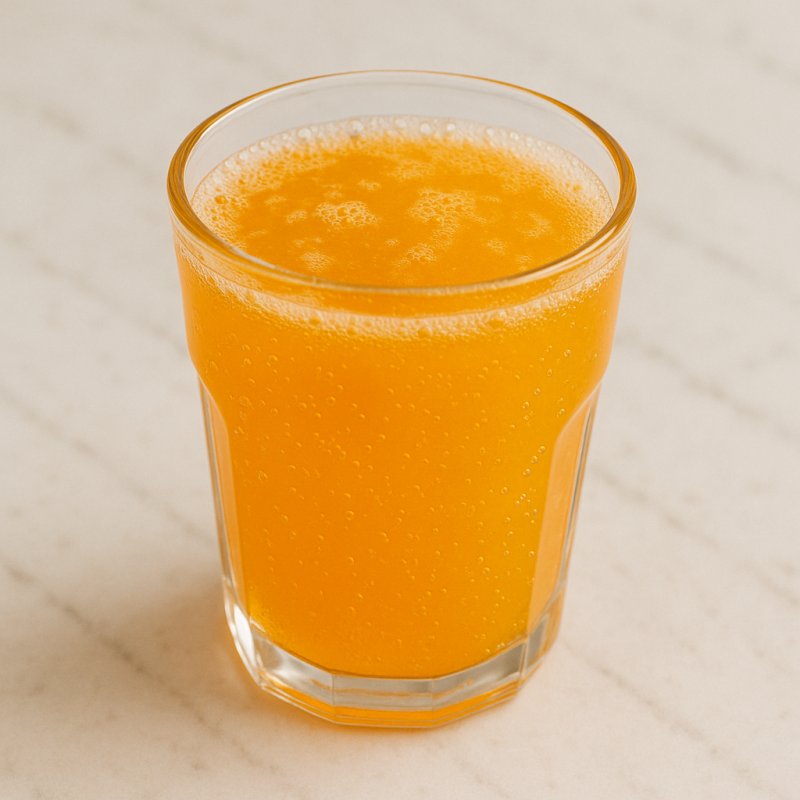
Refreshing orange-flavored drink, high in sugar and caffeine-free

Wiki about Fanta Nutri-Score E Vegan Yes Gluten-free Yes Lactose-free Yes Nut-free Yes
NUTRITION / 100 ml
38 kcal 0 g Protein 9.2 g Kohlenhydrate 0 g Fett

Introduction

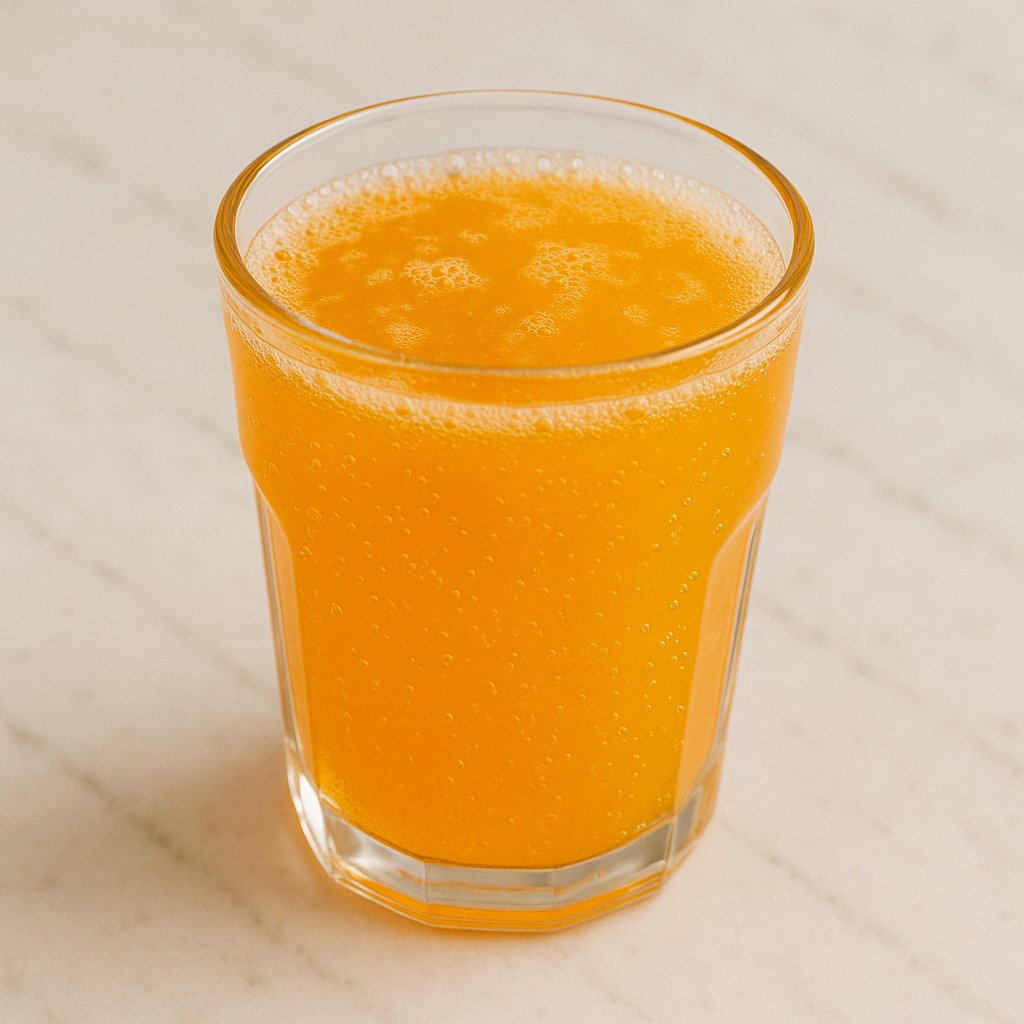
Glass of Fanta orange soda with ice cubes
I still remember exactly the first sip of Fanta I consciously enjoyed: sunny, fizzy and surprisingly fruity, like a little summer party in a glass. It was at a station kiosk after a train ride that was too long, and that moment showed me how a simple lemonade can change your mood. For me Fanta is more than a refreshing drink; it is a piece of cultural history, a flavor that evokes memories and sparks conversations.

What makes Fanta so special is its ability to change. In different countries you encounter other variants: orange‑forward, exotic with passion fruit or interpreted very locally with regional flavors. Once on a trip I tried a small bottle with a slightly caramel note that a colleague from the company had brought me. The surprising interplay of sweetness and acidity reminded me that industrial drinks can indeed have nuances that pique curiosity.

As an ingredient in the kitchen Fanta is surprisingly versatile. I like to use it to deglaze pan dishes, to caramelize glazes or as a sparkling component in marinades. A friend was quite amazed when I refined his usual BBQ sauce with a splash of Fanta; the acidity rounded out the fat and made the spices shine. Small experiments like that show that Fanta can do more than just quench thirst.

  • Taste: fruity, sweetish orange character with fine carbonation
  • Use: drinking pleasure, mixed drinks, desserts, marinades and glazes
  • Variants: regionally different flavors, partly limited editions
Of course I am mindful of sugar and calorie content and appreciate the many reduced‑sugar alternatives now available. Still, classic Fanta remains a nostalgic treat that fits many moments: at a picnic, as a companion to spicy dishes or as a surprising accent in modern everyday cooking. When I think of Fanta I think of sunny minutes, creative kitchen experiments and the small joys that drinks can give us.

Availability & types

Availability and types of Fanta

Fanta is not a vegetable or a spice, but a well‑known brand name for lemonades produced by the company Coca‑Cola. When we speak of the “ingredient Fanta” we mean the beverages sold under that name. Fanta was originally developed in Germany and is now available worldwide. That means: in many countries you can buy Fanta in supermarkets, pubs, kiosks and restaurants — just as you would find a bottle of water or a can of cola.

Origin
Fanta was created in the 1940s in Germany. Because of World War II producers could not obtain all the usual ingredients for cola, so they invented a new lemonade using available ingredients. The name “Fanta” comes from the word “fantasy”, because people came up with something new. Today Fanta is a brand of the Coca‑Cola Company and is produced in many places around the world. That means the bottle you buy was likely bottled in a plant in your region, not necessarily in Germany.

Growing regions
Fanta itself is not “grown”, because it is a finished beverage. But many flavors require fruit or flavorings that come from plants, for example oranges for Fanta Orange. Oranges may come from warm, sunny places — typical production areas like Spain, Brazil or the USA. Manufacturers often buy concentrated fruit juices or natural flavorings from such farms and then blend them in factories to make Fanta.

Available varieties and types
Fanta exists in very many different varieties. Some are known almost everywhere, others are available only in certain countries. Here are some of the most common variants, explained in an easy‑to‑understand way:

  • Fanta Orange – The best‑known variety. It tastes of orange, the fruit you know from the supermarket. It is often sweet and sparkling (with carbon dioxide).
  • Fanta Lemon / Zitrone – This variant tastes of lemon; it is often a bit more sour than the orange, but also sparkling.
  • Fanta Exotic / Tropical – This is a mix of several fruits, such as pineapple, passion fruit or mango. Imagine a fruit bowl with many varieties in one sip.
  • Fanta Zero / Light – These variants have little or no sugar. They taste similar to the regular varieties and are intended for people who want to drink less sugar.
  • Regional specialties – In some countries there are very special flavors available only there, for example lemonades with apple, grape, cherry or local fruits. These varieties show how Fanta adapts to the tastes of people in different countries.
  • Seasonal or limited editions – Sometimes the company releases special flavors for a short time, for example for the summer or for holidays. It's similar to a toy sold only during a particular season.
How to find the right variety?
If you want to try Fanta you can simply look in the supermarket or test different varieties. Some people prefer the regular Orange, others want something new like Exotic. If you need to watch your sugar intake, the “Zero” or Light versions are a good choice.

In summary: Fanta is a globally known beverage brand with many different varieties made from fruit flavors and other ingredients. Raw materials like oranges come from warm growing regions, but the finished bottles are filled locally in factories. That way you will find a selection of Fanta variants in almost every country — from classic flavors to special regional varieties.
Details & nutrition

Property Value
Unit ml
Calories per 100 38
Protein per 100 0
Carbohydrates per 100 9.2
Sugar per 100 9.2
Fat per 100 0
Saturated fat per 100 0
Monounsaturated fat 0
Polyunsaturated fat 0
Fiber per 100 0
Vitamin C (mg) per 100 0
Vitamin D (IU) per 100 0
Calcium (mg) per 100 0
Iron (mg) per 100 0
Nutri-Score E
CO₂ footprint 0.25
Origin International branded product, manufactured in various countries
Gluten-free Yes
Lactose-free Yes
Nut-free Yes
Vegan Yes
Note Sugar-sweetened carbonated orange soda; nutritional values may vary slightly depending on the variety and country.

Technical & scientific information

Fanta is not a single chemical molecule, but a trade name for carbonated fruit‑based soft drinks manufactured and distributed by the Coca‑Cola Company. Historically Fanta developed as an umbrella term for various lemonades with different flavorings, the best‑known variant being orange Fanta. From a technical perspective, the composition of a Fanta formulation includes several functional components: water, carbon dioxide, sugar or sweeteners, fruit flavors or fruit juice concentrates, acidulants, stabilizers/emulsifiers, colorants and, where applicable, preservative additives.

Chemical composition and ingredients
The basis of every Fanta is water (H2O) and dissolved gases, primarily carbon dioxide (CO2), which is dissolved under pressure during filling. Sweeteners are usually sucrose (table sugar), glucose‑fructose syrup (corn syrup) or a combination with high‑intensity sweeteners in reduced‑sugar variants. Fruit flavor is achieved through natural or artificial flavorings; these flavorings are mixtures of organic compounds such as terpenes (e.g. limonene), esters and alcohols that convey typical orange or other fruit impressions. Acidulants like citric acid (C6H8O7) or tartaric acid set the pH of the beverage, which typically ranges from about 2.5 to 4. Colorants such as beta‑carotene or synthetic azo dyes are used to adjust the color. Stabilizers and emulsifiers like gum arabic (Gummi arabicum, Arazakariben) help disperse flavor compounds in the aqueous phase, and antioxidants like ascorbic acid (vitamin C) can improve shelf life and flavor stability.

Nutrition values
Nutrition values vary greatly between sugar‑containing and reduced‑sugar variants. Typical energy‑rich orange versions contain per 100 ml about 40–50 kcal (≈170–210 kJ) and 10–12 g of available carbohydrates, mostly as sugars. Fat and protein are present in negligible amounts. Sugar‑free variants use sweeteners such as aspartame, acesulfame‑K or sucralose, which provide low‑calorie sweetness without a relevant impact on energy value.

Processing methods
Industrial manufacture comprises several standardized steps: water treatment (filtration, softening, UV disinfection), preparation of a sweet‑flavor base (syrups with sugar/sweetener, acid, flavors and additives), mixing processes under hygienic conditions and carbonation with CO2. After mixing, filling takes place into glass bottles, cans or PET bottles under aseptic conditions and overpressure to preserve the carbonation. Packaging processes do not necessarily include pasteurization or sterile filling, since high sugar content and low pH limit microbial growth; nonetheless quality controls are performed to ensure microbiological safety and sensory properties.

Health aspects
From a nutritional perspective, sugar‑rich Fanta provides rapidly available energy but regular consumption contributes to increased energy intake and thus to overweight and dental caries. The acidic components also promote dental enamel erosion with frequent exposure. In sugar‑free variants sweeteners are authorized and considered safe within legal limits; however some sweeteners are debated in public perception. Colorants or additives can trigger allergies or intolerances in sensitive individuals, which is why declarable ingredients are listed on the packaging.

Regulatory and quality aspects
Fanta products are subject to food law regulations regarding labeling, authorization of additives and limits for contaminants. Standards for sensory evaluation, microbiological and chemical analysis are applied to ensure stability, flavor and safety. Manufacturers perform regular tests, for example measurements of pH, Brix value (sugar concentration), CO2 content, microbiological tests and residue analyses.

In summary, Fanta is a technologically formulated soft drink whose properties are controlled by the choice of sweeteners, flavors, acidulants and auxiliary substances. The chemical fundamentals are well researched: solubility of carbon dioxide, flavor stability, interactions between acid and sugar and legally regulated additives determine the sensory and safety‑relevant properties of the product.

Wiki entry for: Fanta
Active now: 17 visitors of which 2 logged-in members in the last 5 minutes