Menu & categories

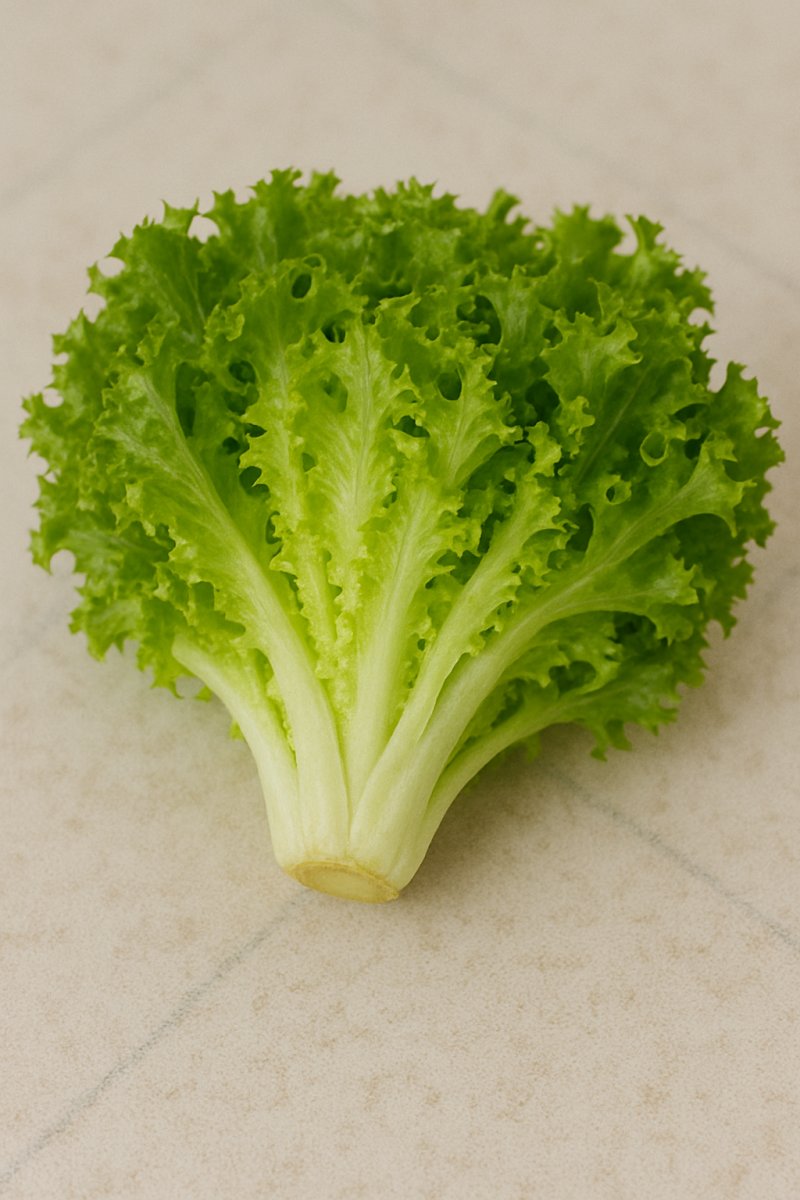
Endive

Crisp bitter salad with low calories

Wiki about endive Nutri-Score A Vegan Yes Gluten-free Yes Lactose-free Yes Nut-free Yes
NUTRITION / 100 g
17 kcal 1.2 g Protein 3.3 g Kohlenhydrate 0.2 g Fett

Introduction

Fresh endive
Endive is one of Europe's most versatile and at the same time underrated salad ingredients. As a 35-year-old editor who moves between the weekly market, the editorial kitchen and cookbooks, I have come to love endive over the years – not only for its pleasantly bitter taste, but also for its culinary flexibility from raw dishes to stir-fries. Anyone who cooks seasonally and consciously in European cuisine will hardly avoid this leafy vegetable specialty. Its finely serrated leaves, which depending on the variety shine from tender green to deep dark green, stand for freshness, bite and a characteristic bitterness that gives dishes depth.

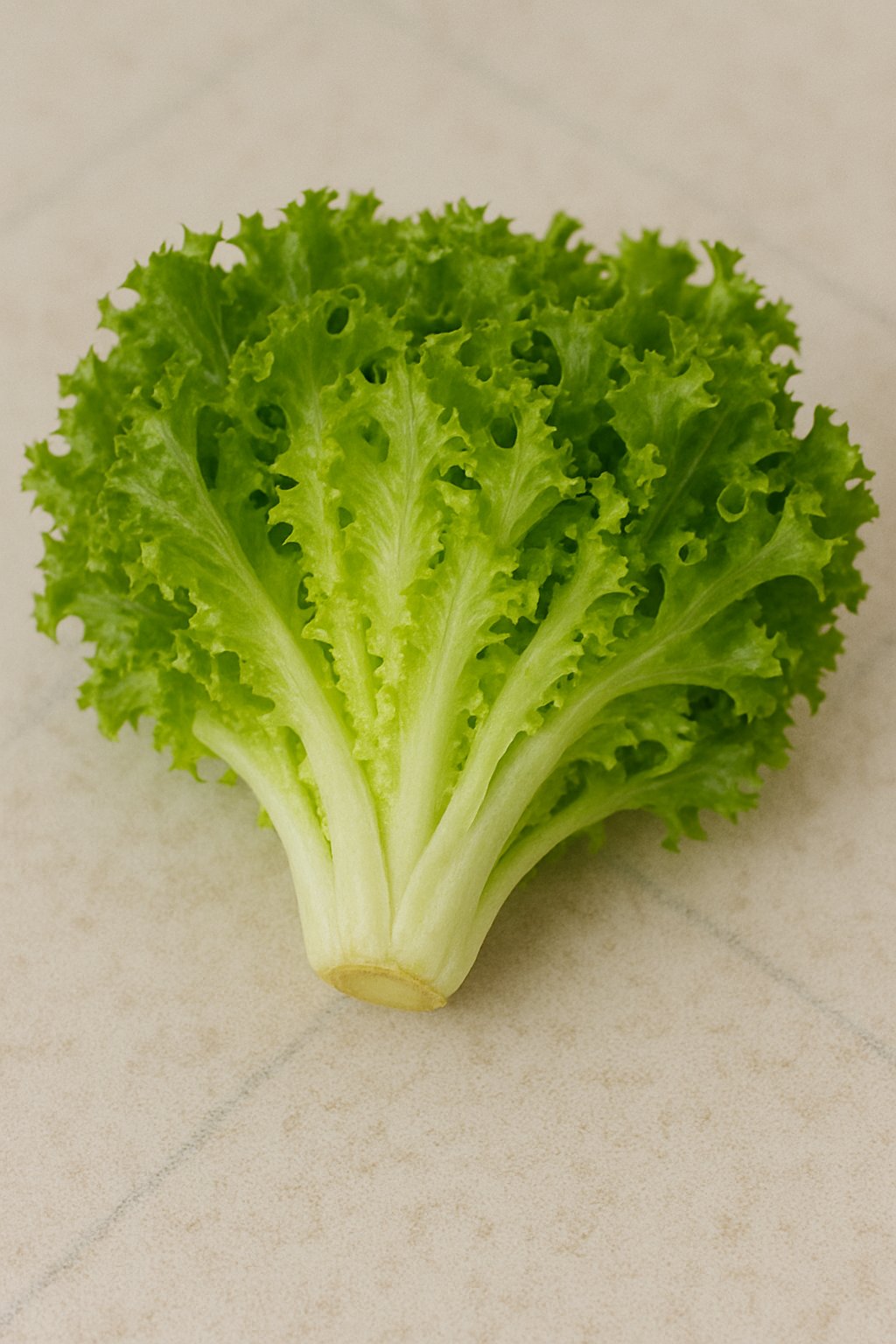
Under the term endive there are essentially two main types: Frisée endive with curly, finely fringed leaves and escarole (also smooth endive) with broader, softer leaves. Both variants botanically derive from Cichorium endivia and are closely related to chicory and radicchio. While frisée endive is particularly popular as a salad component, escarole is excellent for braising, steaming or quick sautéing. A colleague of mine swears by briefly tossing endive in olive oil, enriching it with garlic and finishing it with lemon zest – surprisingly uncomplicated and at the same time refined.

The bitterness of endive is a distinctive feature that not everyone appreciates immediately. In fact, the taste can be balanced elegantly: combining it with sweet or fruity components creates a harmonious overall picture. I remember an autumn dinner when a friend sprinkled caramelized pears, roasted walnuts and crumbled blue cheese over finely sliced frisée endive. A splash of apple cider vinegar, a touch of honey in the dressing – and suddenly even skeptical guests became endive fans.

In everyday cooking endive scores with nutrients and freshness. It is rich in vitamin K, provides folate, vitamin A and minerals such as potassium. Those who pay attention to a balanced diet integrate endive as a crunchy base for salads, as a warm vegetable or as an aromatic accent in bowls. In my kitchen

Availability & types

Availability and types of endive

Endive is a green leafy vegetable that belongs to the daisy family – like lettuce, chicory and dandelion. Many know it for its slightly sharp, sometimes somewhat bitter taste. It is precisely this taste that makes it exciting in salads, stir-fries or as a side dish. In this section you will learn when and where to get endive, which varieties exist and how the different types differ. Everything is explained simply so that even 12-year-olds can understand it well.

Origin and cultivation

Endive originally comes from the Mediterranean region. It was cultivated in southern Europe many centuries ago. Today it grows in many European countries (including Germany, Austria and Switzerland), as well as in parts of North America and Asia. Endive prefers rather cool but not freezing conditions. That is why it is often grown outdoors, especially in late summer and autumn. In greenhouses it can also grow earlier or later in the year.

Particularly important: endive leaves often become lighter, almost yellowish, in the middle. This is because the inner leaves receive less sun and therefore taste milder. Farmers use specific varieties and cultivation methods to create a nice, yellow "heart."

Seasonal availability

  • Summer to autumn (main season): From about July/August to November you will find fresh, regional endive most often. At that time selection and quality are usually best.
  • Late autumn to winter: In regions with mild climates and through storage or protected cultivation, endive is also available in winter. The heads are then often somewhat more compact and robust.
  • Spring: In some areas endive comes from greenhouses or imports. Selection may be smaller, but you will still find it in many supermarkets.
Simply put: endive is most common and freshest in autumn, but in general you can get it year-round; only the origin changes.

Details & nutrition

Property Value
Unit g
Average weight per piece 400
Calories per 100 17
Protein per 100 1.2
Carbohydrates per 100 3.3
Sugar per 100 0.7
Fat per 100 0.2
Saturated fat per 100 0.03
Monounsaturated fat 0.02
Polyunsaturated fat 0.10
Fiber per 100 2.2
Vitamin C (mg) per 100 6
Vitamin D (IU) per 100 0
Calcium (mg) per 100 52
Iron (mg) per 100 0.7
Nutri-Score A
CO₂ footprint 0.3 kg CO2e/kg
Origin Leaf salad cultivation in Europe, seasonal from autumn to spring
Gluten-free Yes
Lactose-free Yes
Nut-free Yes
Vegan Yes
Note Slightly bitter taste; suitable for salads and braising. Pairs well with citrus dressings.

Technical & scientific information

Endive (Cichorium endivia) is a cultivated plant in the daisy family (Asteraceae) and belongs to the genus Cichorium. It is grown in two main forms: escarole (Cichorium endivia var. latifolia), often referred to as broad-leaved endive, and frisée (Cichorium endivia var. crispum), characterized by strongly curled, finely segmented leaves. The plant forms a leafy rosette with a central heart, whose leaves can be pale to yellowish depending on cultivation methods. Endives are cultivated in temperate climates and are particularly suitable for autumn and winter harvests.

Botany and morphology
Endive is an annual to biennial herb with a taproot and a densely packed leaf rosette. Leaves vary from smooth to strongly curled depending on the variety, green to dark green and lighter toward the center. The leaf surface shows a finely structured cuticle with little pubescence. When bolting in the second year, a flowering shoot with typical capitulum inflorescences emerges. The flowers are usually blue to lilac, the fruit is an achene. Bitter compound content is higher in the outer leaf parts than in the heart.

Origin and taxonomy
The cultivation history of endive goes back to antiquity. It probably originates from the eastern Mediterranean area and was already used by Romans and Greeks as a salad and medicinal plant. Taxonomically the species is closely related to common chicory (Cichorium intybus). Modern breeding focuses on bitterness profiles, leaf structure and bolting resistance.

Nutritional value and constituents
Endive has a low energy density and is rich in micronutrients. Per 100 g it typically contains: approx. 15–20 kcal, 1.2–1.8 g protein, 0.2 g fat and 2.5–3.5 g carbohydrates, of which a significant proportion is fiber. From a nutritional perspective the following are notable:

  • Vitamins: high levels of vitamin K, folate (vitamin B9)
Wiki entry for: endive
Active now: 17 visitors of which 2 logged-in members in the last 5 minutes