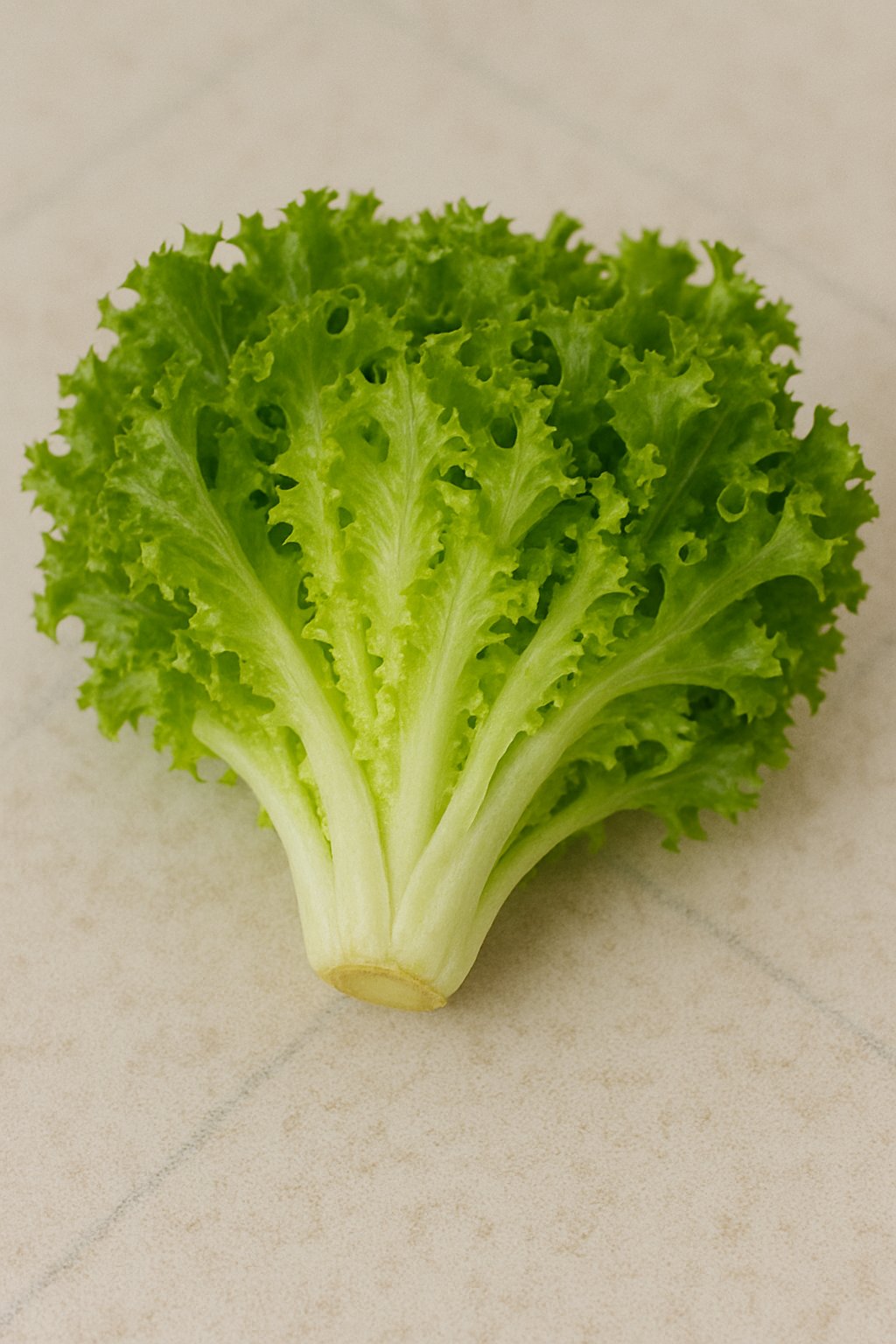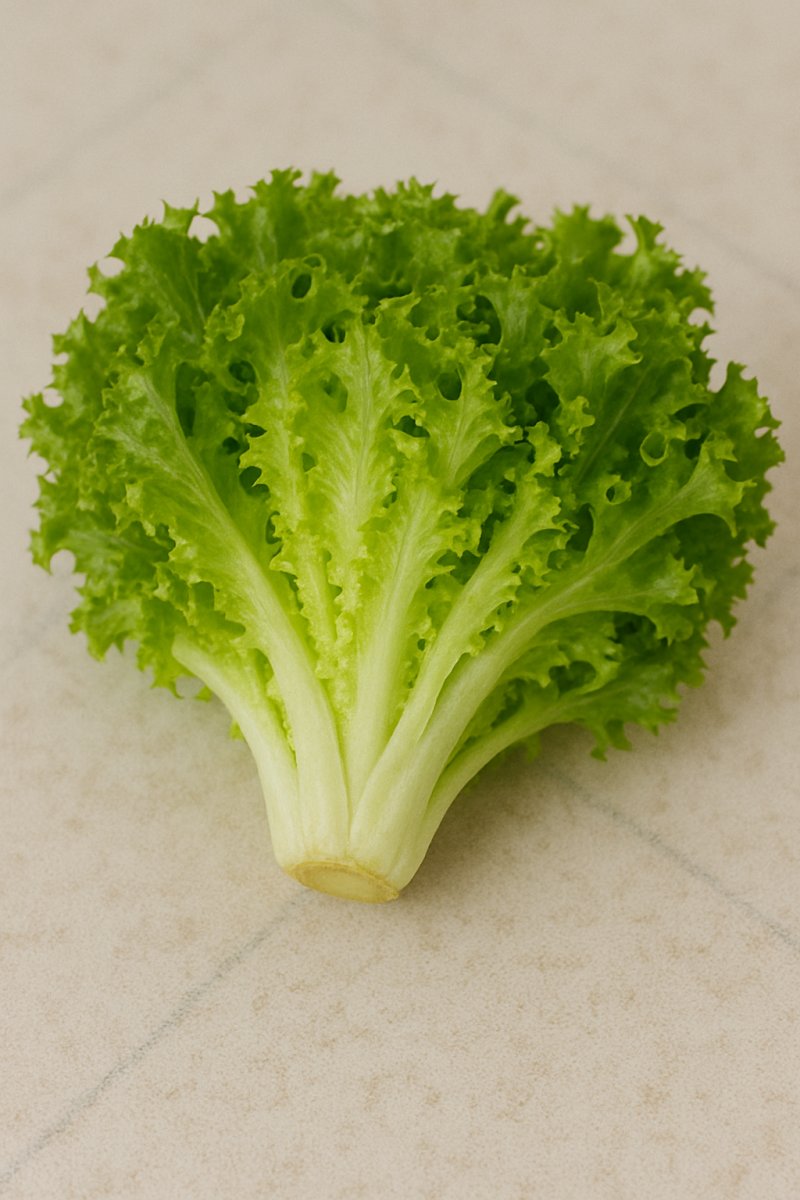
Availability and types of endive
Endive is a green leafy vegetable that belongs to the daisy family – like lettuce, chicory and dandelion. Many know it for its slightly sharp, sometimes somewhat bitter taste. It is precisely this taste that makes it exciting in salads, stir-fries or as a side dish. In this section you will learn when and where to get endive, which varieties exist and how the different types differ. Everything is explained simply so that even 12-year-olds can understand it well.
Origin and cultivation
Endive originally comes from the Mediterranean region. It was cultivated in southern Europe many centuries ago. Today it grows in many European countries (including Germany, Austria and Switzerland), as well as in parts of North America and Asia. Endive prefers rather cool but not freezing conditions. That is why it is often grown outdoors, especially in late summer and autumn. In greenhouses it can also grow earlier or later in the year.
Particularly important: endive leaves often become lighter, almost yellowish, in the middle. This is because the inner leaves receive less sun and therefore taste milder. Farmers use specific varieties and cultivation methods to create a nice, yellow "heart."
Seasonal availability
- Summer to autumn (main season): From about July/August to November you will find fresh, regional endive most often. At that time selection and quality are usually best.
- Late autumn to winter: In regions with mild climates and through storage or protected cultivation, endive is also available in winter. The heads are then often somewhat more compact and robust.
- Spring: In some areas endive comes from greenhouses or imports. Selection may be smaller, but you will still find it in many supermarkets.
Simply put: endive is most common and freshest in autumn, but in general you can get it year-round; only the origin changes.