Menu & categories

Eggplant

Versatile nightshade vegetable with low calories

Wiki about eggplant Nutri-Score A Vegan Yes Gluten-free Yes Lactose-free Yes Nut-free Yes
NUTRITION / 100 g
25 kcal 1.0 g Protein 6.0 g Kohlenhydrate 0.2 g Fett

Introduction

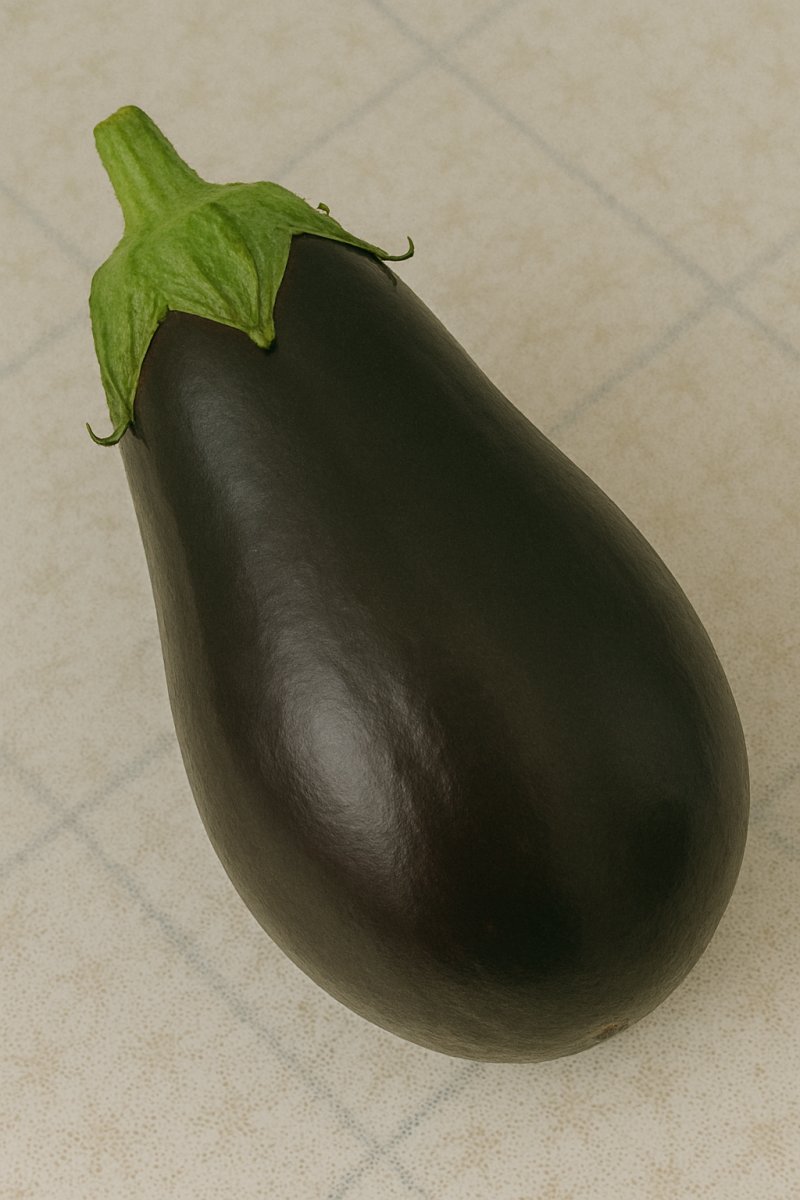
Fresh eggplant
Aubergine – this deep purple vegetable with a silky-shiny skin has accompanied me, as a 35-year-old editor from Europe, through numerous kitchen adventures. In my first apartment I almost bent my wooden spoon on the pan while slicing an over-grilled aubergine – since then I know: timing and technique are everything with aubergine. Today I value it as a versatile ingredient celebrated equally in the Mediterranean, the Middle East and Asia. Whether creamy baba ghanoush, crispy parmigiana di melanzane or spicy baingan bharta – the aubergine shows how delicious culinary diversity can be.

The aubergine (Solanum melongena), also called melanzani or eggplant, originally comes from Asia and reached Europe via trade routes. Today it is a staple of Mediterranean cuisine. Its mild, slightly earthy aroma and spongy texture make it an ideal partner for spices, herbs and oils. A colleague of mine – a food photographer and avowed aubergine fan – swears by salting slices before frying to draw out moisture and improve texture. I love roasting them in the oven myself until the flesh is creamy and the flavor deeply caramelized.

What I particularly like about the aubergine: it is an excellent base for vegetarian and vegan dishes. Its texture, when properly prepared, resembles something hearty that wonderfully absorbs sauces. In my editorial office we often discuss recipes, and a colleague recently told how she convinced skeptical dinner guests with a single butter-tender whole roasted aubergine. The decisive factor is the preparation: heat, patience and the right seasoning.

Tips for preparing aubergines
These hints have proved useful in my kitchen and ensure aroma and texture:

  • Salting: sprinkle slices or cubes with salt, let rest 15–30 minutes, pat dry. This reduces bitterness and improves browning.

Availability & types

Availability and types of aubergines

Aubergines, also called egg fruits, belong to the large nightshade family, like tomatoes and potatoes. They originate from the warm climates of South and Southeast Asia. Especially in India the plant has been cultivated for many centuries. Via trade routes it reached the Middle East, later Africa and finally Europe. Today aubergines are widespread worldwide, because they grow well in many warm regions and are an important component of many cuisines, for example Mediterranean, Turkish, Arab and Asian cuisine.

When are aubergines available to buy?
In Central Europe you can find aubergines in supermarkets all year round, because many fruits are imported. The main season for local open-field cultivation is in the warm months, usually from June to October. During this time aubergines are especially flavorful and often cheaper. Out of season they frequently come from countries with milder climates or from greenhouses. At organic and farmers’ markets you often find special varieties during the season that are not always available in supermarkets.

How do I recognize fresh aubergines?
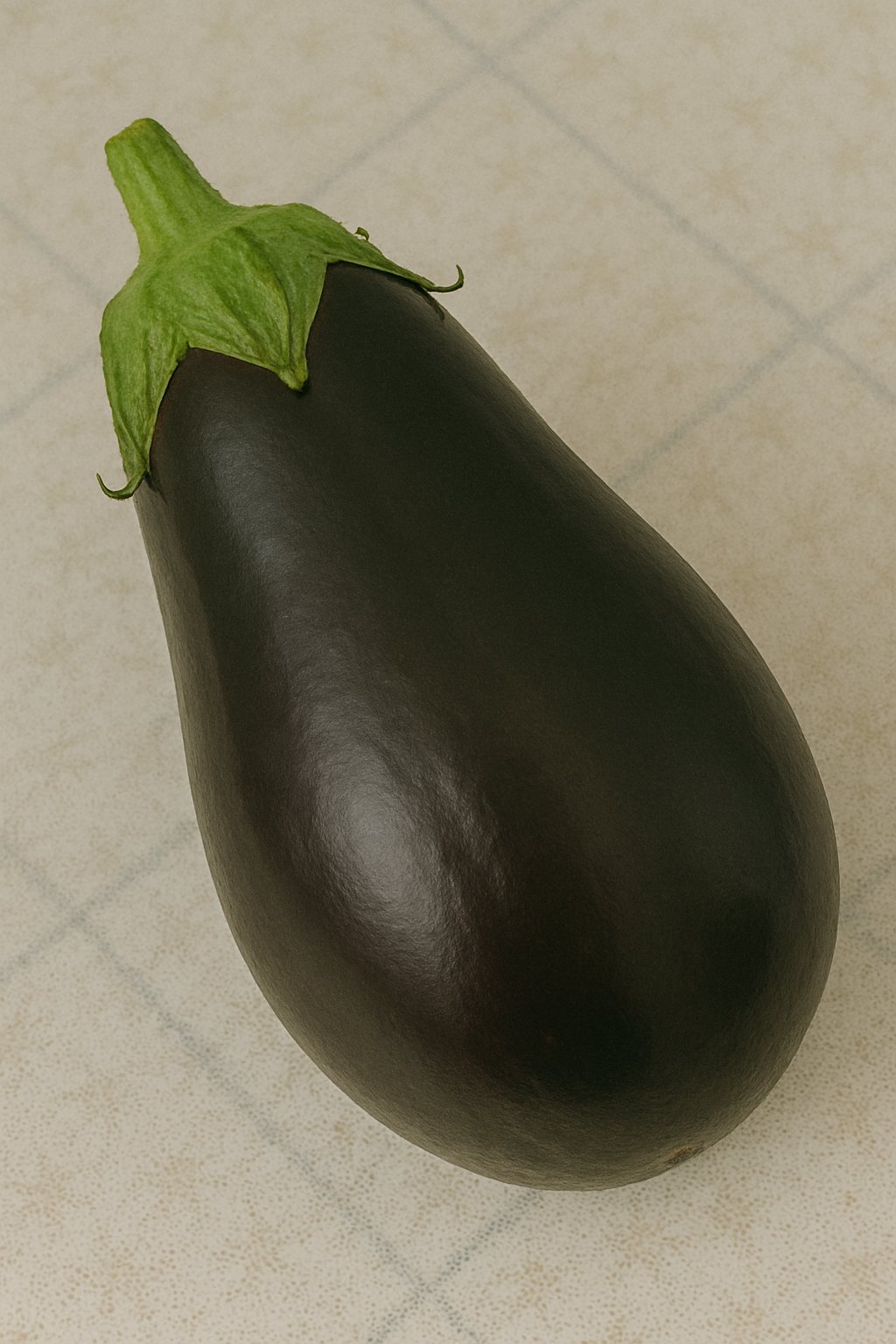
Fresh aubergines feel firm, have a smooth, shiny skin and a green, juicy stem. If you press the skin lightly, the dent should only slowly spring back. Soft spots, wrinkles or brown spots are signs that the fruit is no longer entirely fresh. Small to medium-sized aubergines are often more tender and have fewer bitter compounds than very large specimens.

Storage
Aubergines do not like very cold conditions. It is best to store them at about 10 to 13 degrees, for example in a cool pantry. In the refrigerator they can become watery and lose flavor, especially when it is very cold. If you need them soon, you can keep them in the vegetable drawer for one to three days. Aubergines should not be stored next to strongly scented or ripening fruits like apples or bananas, because the gas ethylene makes them age faster.

Details & nutrition

Property Value
Unit g
Average weight per piece 350
Calories per 100 25
Protein per 100 1.0
Carbohydrates per 100 6.0
Sugar per 100 3.5
Fat per 100 0.2
Saturated fat per 100 0.03
Monounsaturated fat 0.02
Polyunsaturated fat 0.09
Fiber per 100 3.0
Vitamin C (mg) per 100 2.2
Vitamin D (IU) per 100 0
Calcium (mg) per 100 9
Iron (mg) per 100 0.2
Nutri-Score A
CO₂ footprint 0.5 kg CO2e/kg
Origin Mediterranean region/Asia, also cultivated in Europe
Gluten-free Yes
Lactose-free Yes
Nut-free Yes
Vegan Yes
Note Raw slightly bitter; absorbs a lot of oil when cooked. Nightshade plant.

Technical & scientific information

Aubergine (Solanum melongena) is a frost-sensitive crop plant of the Solanaceae family and closely related to tomato and potato. Botanically it is a perennial, but used as an annual in agriculture, with pronounced lignification of the lower shoot sections. The plant originates from the Indo-Burmese region, was early cultivated in China and reached Europe via the Arab world. Today it is grown worldwide in subtropical and temperate regions in open fields, polytunnels or greenhouses.

The fruit morphology of the aubergine is characterized by a berry-like fruit with a smooth, cutin-rich epidermis. Typical cultivated varieties have elliptic to elongated fruits with violet to deep purple skin color, caused by anthocyanins (particularly delphinidin derivatives). Varieties with white, green, striped or almost black skin are common; small, oval types (e.g. “Thai” varieties) and large-fruited, pear-shaped types also exist. Fruit length ranges depending on cultivar from 5 to over 30 cm. The flesh is cream-colored, spongy and rich in parenchyma cells with large intercellular spaces, which contribute to rapid oil absorption during frying.

Botany and physiology: Aubergines are C3 plants with optimal photosynthetic performance at 22–30 °C. The plant develops large, softly hairy leaves and displays hermaphrodite, radially symmetric flowers with five to seven fused violet petals and yellow anthers. Pollination is predominantly autogamous but is made more efficient by vibration pollination (buzz pollination) by bumblebees. The root system is deep and sensitive to waterlogging and low soil temperatures. Salt stress reduces fruit set and fruit size; the optimal substrate is well-drained, humus-rich soil with pH 5.5–6.8.

Constituents and nutritional physiology: Raw aubergine consists of about 90–93% water, 1.0–1.3 %
Wiki entry for: eggplant
Active now: 17 visitors of which 2 logged-in members in the last 5 minutes