Availability and types
The yolk is the yellow part of an egg and is almost always among the usual ingredients in kitchens and bakeries. You can find yolks year-round in supermarkets, at weekly markets or directly from farmers. This is because hens are kept in many countries and lay eggs almost continuously. So if you want to buy yolks, you usually do not have to worry that they are scarce or only seasonally available — eggs are available all year.
Where the yolks come from exactly depends on the origin of the eggs. Common places of origin are:
- Local farms: Many families buy eggs directly from a nearby farm. There people often know how the hens are kept.
- Large poultry farms: Supermarkets source many eggs from larger operations that keep many hens.
- Imports: In some areas eggs are delivered from other countries — you can sometimes tell from the packaging.
There are different types of yolks because housing, feeding and hen breed vary. Here are the main types explained in simple words:
- Classic yolk (from barn or cage systems): These are eggs from hens usually kept in barns. These yolks look like the ones people know from home. Often these eggs are cheaper.
- Free-range yolk: Hens are allowed outdoors and can roam outside. This can mean the yolks are somewhat more intensely colored because the hens eat more plant-based foods — similar to when you eat more vegetables and feel different as a result.
- Organic yolk: Organic hens are often fed organic feed and live under stricter rules. The yolks of organic eggs are attractive to many people because they believe the hens are better cared for.
- Omega-3-enriched yolk: Some eggs come from hens fed with feed high in omega-3 fatty acids (for example flaxseed). As a result the yolk contains more of these fatty acids, which can be good for heart and brain. You can think of it like an “enriched breakfast” that delivers extra nutrients.
- Antibiotic-free or GMO-free: Some packaging states that the hens did not receive antibiotics or that their feed is GMO-free. This means certain rules were followed in raising the hens.
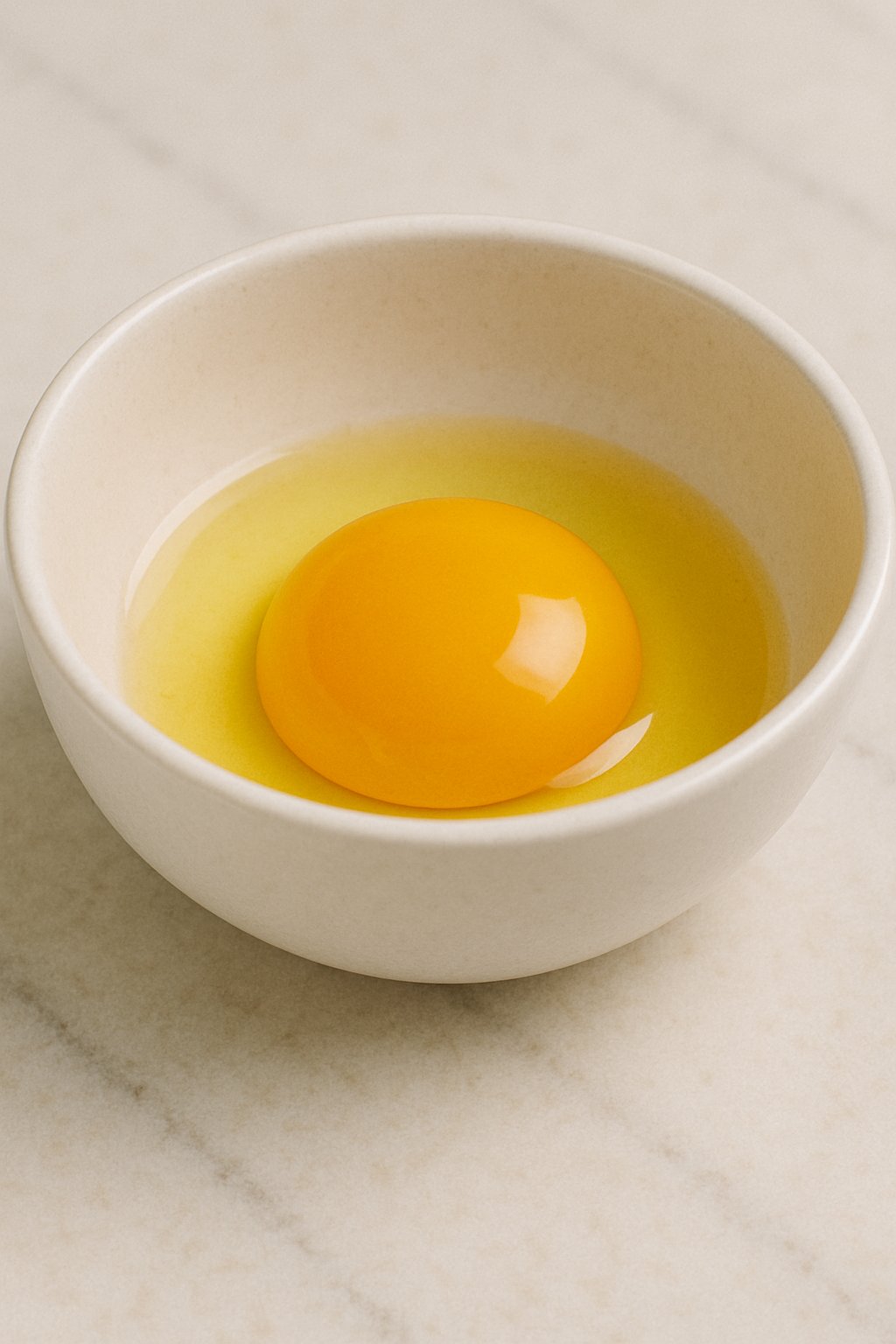
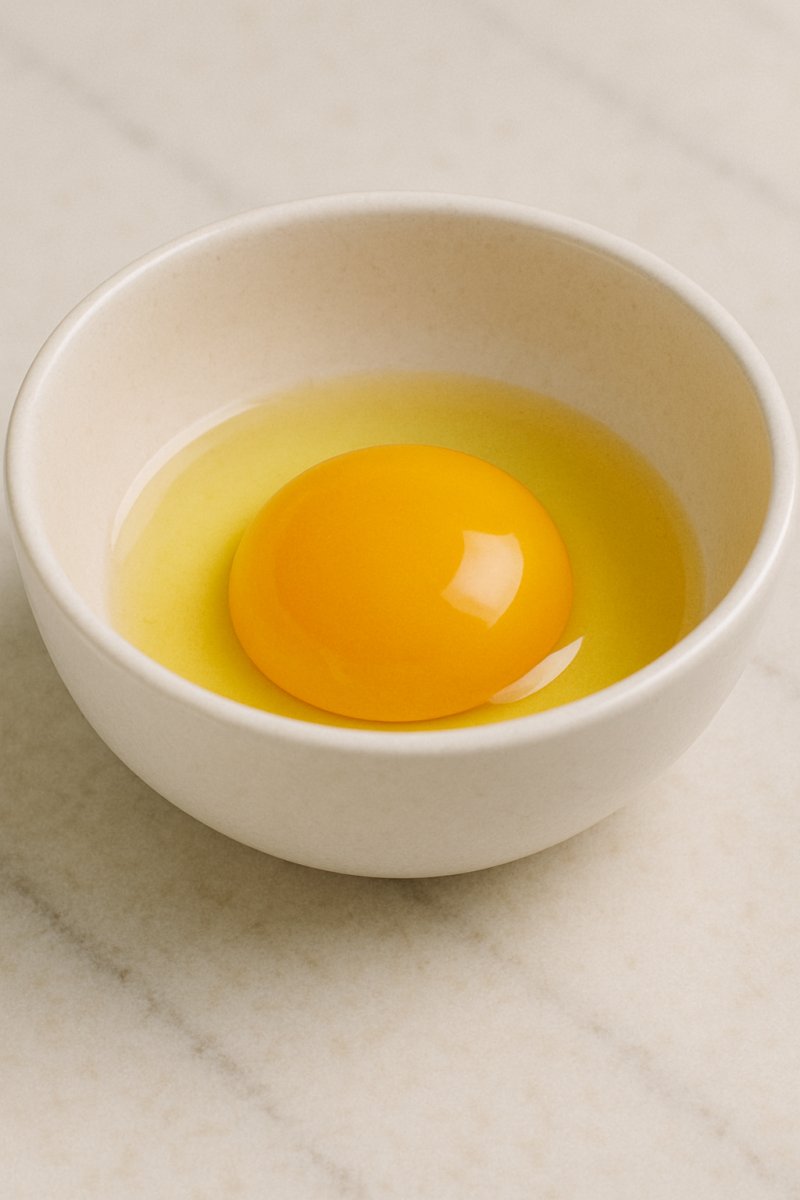
Visually yolks can look different: some are very pale yellow, others almost orange. That has nothing to do with "better" or "worse", but mainly depends on what the hens have eaten — similar to when two people wear different clothes because they have different wardrobes.
If you want to buy yolks, you can look out for some indicators:
- The packaging often states whether the eggs are organic, free-range or from barn systems.
- If you want to be sure, you can get eggs from a farmer in your region — there you can often ask directly.
- For specific nutrients look for terms like Omega-3 or enriched.
In summary: yolks are easy to obtain because eggs are almost always available. There are different types resulting from husbandry, feeding or additives. Which yolk you choose depends on how important animal welfare, origin or certain nutrients are to you — and sometimes simply on taste or price.