Menu & categories

Egg white

Protein-rich component of the chicken egg, low in fat and versatile

Wiki about egg white Nutri-Score A Vegan No Gluten-free Yes Lactose-free Yes Nut-free Yes
NUTRITION / 100 g
52 kcal 11 g Protein 0.7 g Kohlenhydrate 0.2 g Fett

Introduction

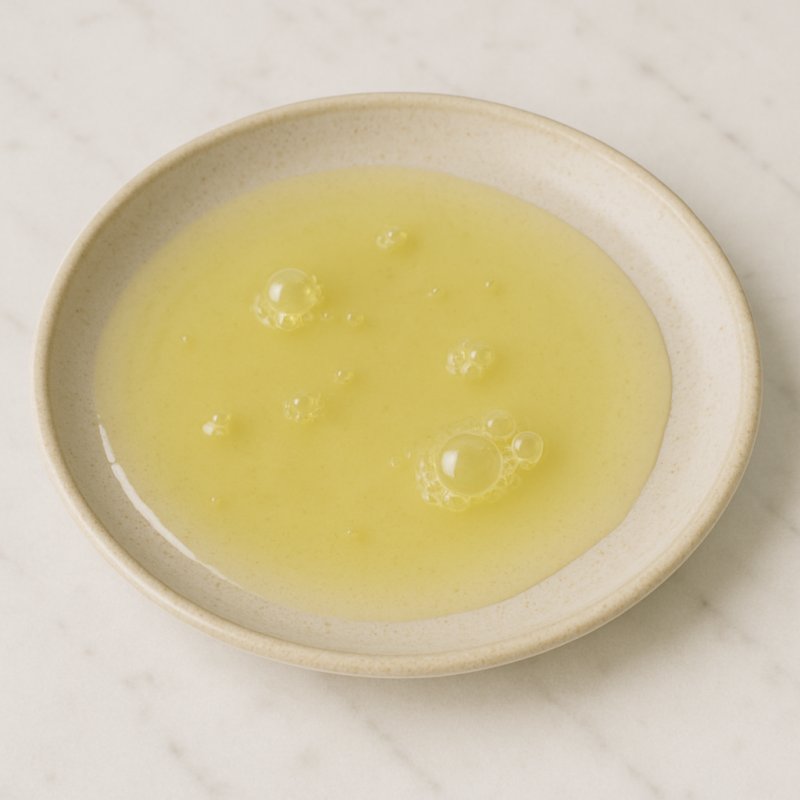
Raw egg white in a bowl next to a cracked eggshell
I still remember clearly the first morning I accidentally put only the egg white of an egg into the pan: a white, almost inconspicuous result that nevertheless delighted me more than expected. Since then the ingredient egg white has accompanied me on culinary paths, from airy soufflés to savory omelettes, and I am always amazed at how much technique and magic is contained in these clear, protein-rich drops.

For me egg white is not just a component of recipes, but a small marvel of the kitchen. It foams when I whip it, binds when I heat it, and gives structure to baked goods. A colleague of mine swears that a pavlova is perfect only if the egg white is at room temperature and the bowl has no trace of fat. Such details may sound pedantic, but they often make the difference between “pretty good” and “unforgettable”.

I also like how versatile egg white is. With it you can:

  • achieve fine meringue layers for desserts,
  • bind light frothy sauces,
  • use it as an egg substitute in some baked goods,
  • and even incorporate it into savory dishes as a light protein source.
Besides the culinary appeal, egg white is nutritionally interesting: it provides high-quality protein with little fat and is well suited for people watching their calories without sacrificing satiety. I often have guests who are surprised at how satisfying a simple omelette made from only egg whites can be, seasoned with fresh herbs and a squeeze of lemon.

In my kitchen egg white has a fixed place: in the morning for a light scrambled egg, in the afternoon for airy macaroons and at spontaneous dinner parties as a rescue when there are still sugar and lemons in the house. It is an ingredient that demands respect but rewards generously. If I give someone a tip, it's this: patience, clean bowls and a bit of practice — and the egg white will serve you as faithfully as it has served me over the years.

Availability & types

Availability and types of protein

When we talk about protein we usually mean the protein found in many foods. Protein helps our bodies grow, build muscle and heal wounds. There are many sources of protein, and they differ in where they come from, how they are grown or produced and what they are called. Here we explain it as simply as possible.

Origin
Protein comes either from animals or from plants. Animal protein is found in eggs, milk, meat, fish and cheese. Plant protein is contained in beans, lentils, nuts, seeds, cereals (such as oats or rice) and special products like tofu. Sometimes protein is also processed in factories, for example as a powder that can be mixed into shakes.

Growing and sourcing regions
- Plants that provide protein grow all over the world. Soy, for example, is widely grown in countries such as Brazil, the United States, China and Argentina. Lentils, peas and beans grow well in cooler regions of Europe, Canada or India.
- Nuts and seeds (for example almonds or sunflower seeds) often come from warmer areas like California, Spain or Turkey.
- Animal protein sources also come from many countries: beef and pork from farms around the world, fish from seas and fish farms. Dairy products are found wherever animals are kept.

Available kinds and variants
You can buy or eat protein in many forms. Here are some well-known types, simply explained:

  • Whole foods: natural products such as eggs, meat, fish, milk, cheese, beans, lentils or nuts. They contain other important nutrients in addition to protein.
  • Plant-based products: tofu (from soy), tempeh and seitan (from wheat) are alternatives that provide a lot of protein. They are particularly important for people who do not eat meat.
  • Protein powders: these are proteins in powder form that are mixed with water or milk. There are variants from whey (whey protein, derived from milk), casein (also milk), soy, pea or rice. Powders are practical when you need protein quickly, for example after exercise.
  • Processed products: meat substitutes made from plant proteins, protein bars or fortified yogurts. These are often ready to eat, but sometimes they also contain additional ingredients such as sugar or flavorings.
  • Quality: some protein sources are considered "complete proteins" because they contain all essential amino acids — for example eggs, milk and meat. Many plant products do not have all building blocks on their own, but can be combined (e.g. rice and beans) to form a complete protein.
Practical example
Think of protein like building blocks: some construction sites (your body) need all kinds of blocks. An egg provides many different blocks at once. A bowl of beans also has many blocks, but it may be missing a few small pieces — you get them by adding rice. Protein powder is like a ready-made set of blocks you can use quickly.

In summary: you find protein everywhere — in animals, plants and special products. Some types are fresh and whole, others are processed or available as powder. Each variant has its advantages: fresh and wholesome, plant-friendly or practical and quick. That way you can choose the right protein depending on taste, lifestyle and availability.

Details & nutrition

Property Value
Unit g
Calories per 100 52
Protein per 100 11
Carbohydrates per 100 0.7
Sugar per 100 0.7
Fat per 100 0.2
Saturated fat per 100 0.05
Monounsaturated fat 0.05
Polyunsaturated fat 0.1
Fiber per 100 0
Vitamin C (mg) per 100 0
Vitamin D (IU) per 100 0
Calcium (mg) per 100 7
Iron (mg) per 100 0.1
Nutri-Score A
CO₂ footprint 1.5
Origin Animal origin, mostly chicken egg
Gluten-free Yes
Lactose-free Yes
Nut-free Yes
Vegan No
Note Nutritional values for raw chicken egg white (clear portion without yolk), average values per 100 g.

Technical & scientific information

Egg white commonly refers in everyday language to the protein in foods or the albumen of bird eggs; scientifically the term protein corresponds to a class of biochemical macromolecules built from amino acids. Proteins consist of linear chains of 20 proteogenic amino acids, whose sequence (primary structure) determines the three-dimensional folding states. Amino acids are chemically linked by peptide bonds, while the order of side chains (R-groups) influences charge distribution, hydrophilicity and thus the solubility and function of proteins.

Composition and structure
Proteins have several structural levels: the primary structure (amino acid sequence), secondary structures such as α-helices and β-sheets, tertiary structure as the overall folding of a polypeptide, and quaternary structure in multimers. Many food proteins also contain non-protein components or are glycosylated. Functional groups of the side chains enable catalysis, ligand binding or structural roles.

Nutritional values
Protein provides roughly 4 kilocalories per gram and is essential for building and maintaining tissues, enzymes and hormones. The quality of a dietary protein is measured by its amino acid profile and biological value; complete proteins contain all essential amino acids in suitable amounts. Animal sources such as meat, fish, dairy products and eggs generally have high biological value, while plant sources often require complementary amino acid combinations.

Components in egg white
In chicken egg white the dominant proteins are ovalbumin (~54 %), ovotransferrin, ovomucin and avidin. These proteins serve protective and nutritive functions for the embryo, possess antibacterial properties (e.g. lysozyme) and influence physical properties such as foam and gel formation. Egg white contains very little fat and only small amounts of minerals.

Processing methods
Protein-rich ingredients are industrially processed by mechanical, thermal or enzymatic methods. Examples include isolation (protein isolates), concentration (protein concentrates), ultrafiltration, spray drying and hydrolytic cleavage with proteases to produce peptide hydrolysates. These processes affect solubility, functionality and digestibility. Pasteurization or heating denatures proteins, alters their structure and can modify solubility, foam stability or gelling ability.

Functionality in foods
Proteins perform versatile technical roles in formulations: they emulsify fat/water mixtures, stabilize foams, form gels and influence texture and water binding. The ability to cross-link after denaturation is the basis for products such as tofu, paneer or meringue. Protein modification via Maillard reactions affects colour and aroma during cooking.

Health aspects
Proteins are essential for metabolism, immune response and muscle growth. Recommended daily intake varies with age, sex and activity level; for healthy adults 0.8–1.0 g/kg body weight is often cited, with higher values for athletes or in certain physiological states. Excessive protein intake can be problematic in people with already impaired kidney function. Supplemental protein powders are convenient, but quality, additives and possible contaminants should be considered. Protein allergies, for example against egg albumin or certain milk proteins, are immunologically mediated and can cause severe reactions.

Ecological and nutritional aspects
The origin of protein influences environmental balance and nutrient density. Animal proteins often provide high bioavailability but come with higher resource demands. Plant proteins have advantages in terms of sustainability, yet often require combinations of different sources to provide complete amino acid profiles.

Overall, egg white is a versatile, structure- and function-determining component of foods and organisms. Its chemical nature as an amino acid polymer makes proteins key components for biochemistry, nutrition and food technology, while processing, origin and amounts determine health and technological properties.

Wiki entry for: egg white
Active now: 26 visitors of which 2 logged-in members in the last 5 minutes