Menu & categories

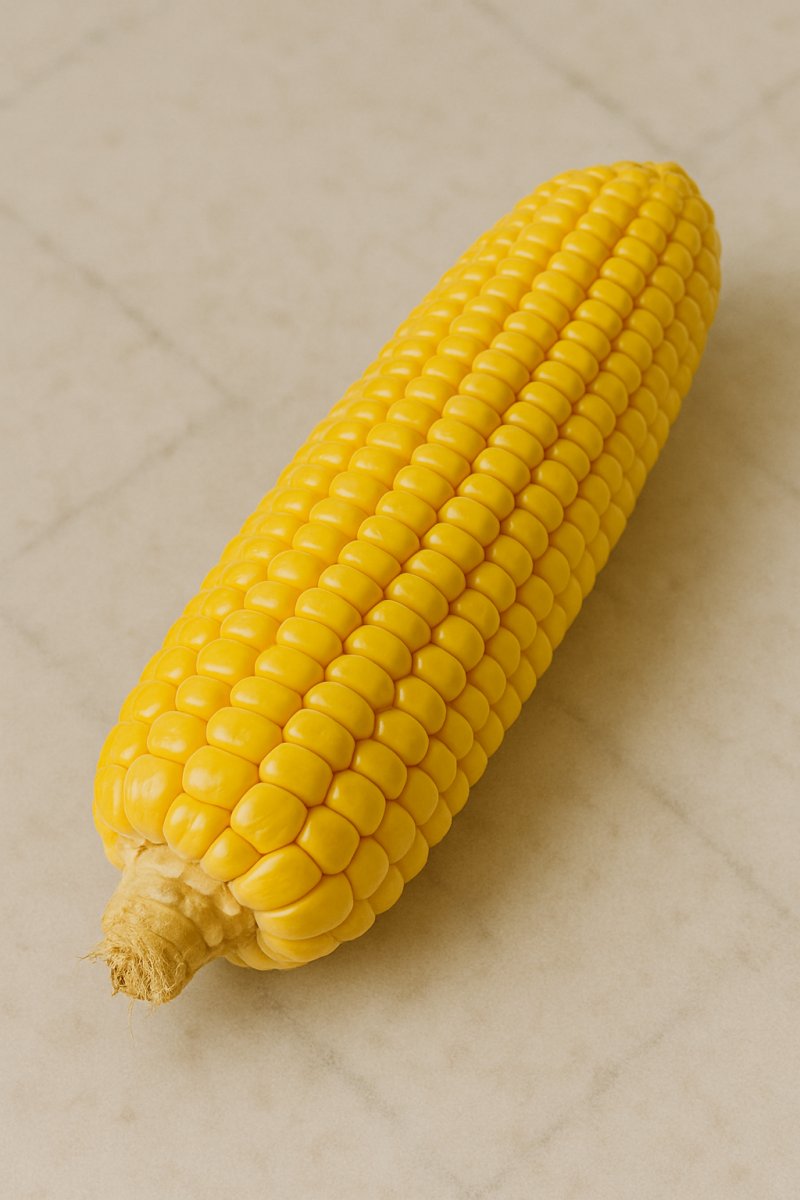
Corn on the cob

Sweet, juicy and versatile from the grill to the salad

Wiki about ear of corn Nutri-Score B Vegan Yes Gluten-free Yes Lactose-free Yes Nut-free Yes
NUTRITION / 100 g
96 kcal 3.4 g Protein 21.0 g Kohlenhydrate 1.5 g Fett

Introduction

Fresh corn on the cob
Corn on the cob is for me more than just a summery side dish – it is a piece of childhood, a familiar scent of barbecue evenings and a symbol of sociable enjoyment. As a 35-year-old editor from Europe I keep discovering its versatility: from a rustic street stall in Southern Europe to a refined tasting menu in modern bistros. In my family it was often on the table, simply with butter and salt, but by now I know how multifaceted this ingredient tastes and how differently it is interpreted in European kitchens.

When I think of the first bite into a freshly cooked corn on the cob, I recall its crisp, juicy kernels that balance sweetness and a delicate nuttiness. A colleague of mine swears by the version with chili, lime and a pinch of smoked paprika – a combination that emphasizes the natural sugar in the corn while remaining wonderfully balanced. A friend from Portugal once showed me how she first cooks corn cobs in salt water with bay leaves and then briefly roasts them over charcoal. Since then I associate the ingredient with a subtle smoky note and Mediterranean calm.

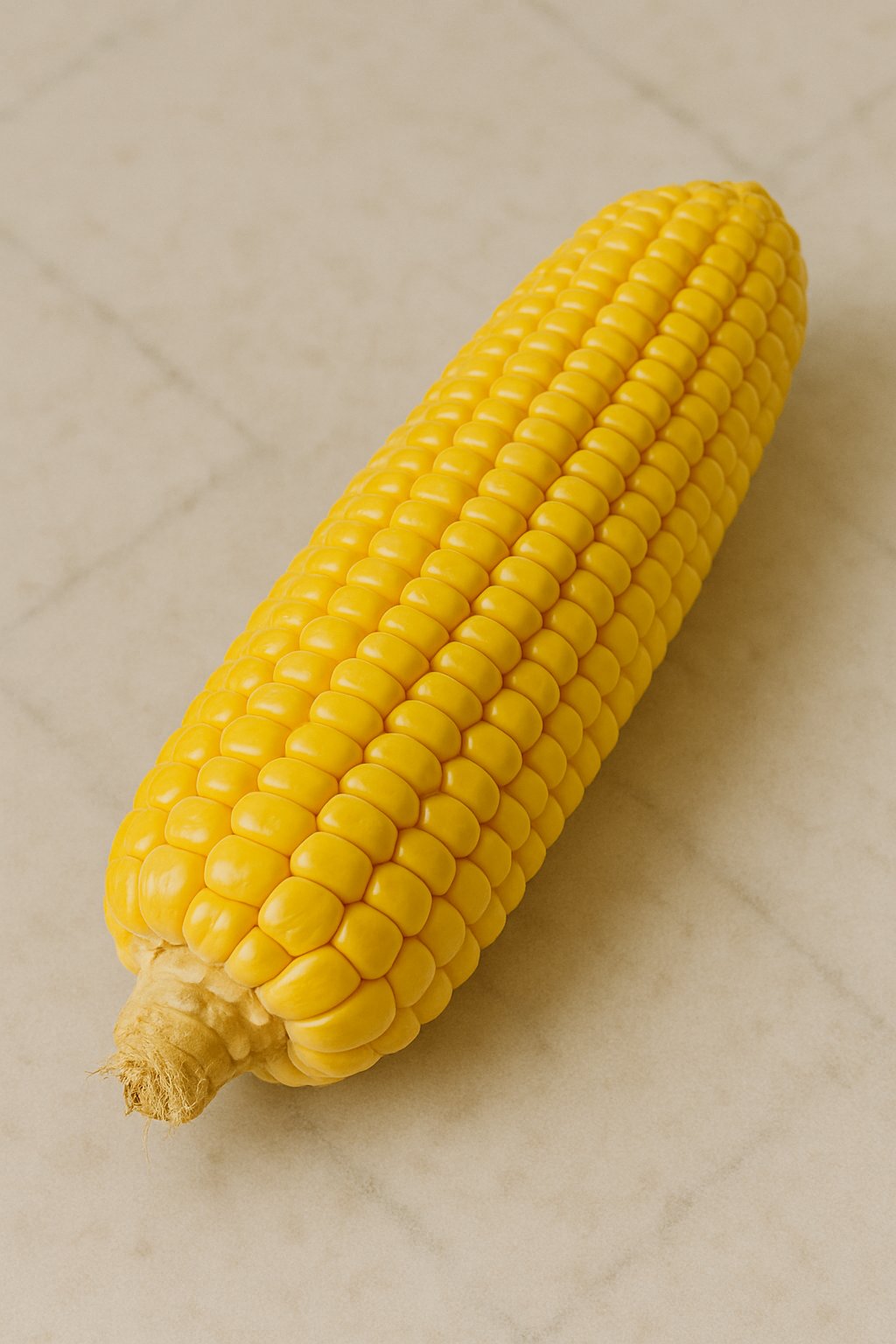
Quality starts already at purchase. I recognize fresh corn on the cob by plump, evenly colored kernels and a husk that is still juicy and green. The strands – the so-called corn silk – should not be brown and brittle, but soft and slightly moist. Buying regionally benefits from short transport distances and more intense aroma. In many European regions there are now seasonal markets where farmers offer fresh corn on the cob, often harvested the same day. That makes a huge difference, especially when the cobs are prepared simply.

What excites me about corn on the cob is its uncomplicated preparation. With little effort surprisingly many flavours can be coaxed out. For me the following methods are among my favourites:

  • Boiling in salted water, then serving with butter, lemon zest and sea salt
  • Grilling over direct heat until light char marks appear, then brushing with herb oil or garlic butter
  • Baking in the oven

Availability & types

Availability and types of corn on the cob

Corn on the cob is one of the most popular summer vegetables because it tastes sweet, is versatile and is easy to cook on the grill, in a pot or even in the oven. When we talk about availability we mean when and where you can buy fresh corn on the cob and what other forms are available. By types we mean the different varieties, variants and uses of maize. This section explains in simple language what you need to know – easy to understand even for a 12-year-old.

Origin and cultivation
Maize originally comes from Central and South America. Many centuries ago it was cultivated there by indigenous peoples, long before it reached Europe. Today maize is cultivated worldwide. Major growing regions include the USA, Brazil, China, Argentina, Ukraine and also many European countries, for example Germany, France and Hungary. Maize loves warmth and sun. Therefore it grows especially well in the summer months. Depending on the region the harvest of sweet corn – the corn we eat as tasty cobs – often begins in late summer and extends into early autumn.

Availability: when can you get fresh corn on the cob?
You can get fresh corn on the cob mainly seasonally:

  • Summer to autumn: In Central Europe the main season is usually from July/August to September/October. Then the cobs are sweetest and juiciest.
  • Spring: Sometimes there are imports from warmer countries. These are available but often less aromatic and sometimes more expensive.
  • Winter: Fresh cobs are rare. Instead you more often find precooked, vacuum-packed cobs, frozen corn (without cob) or canned corn.
Other forms when fresh cobs are scarce

  • Frozen corn: Kernels already blanched, quick to prepare and that preserve vitamins well.
  • Canned corn: Practical and long-lasting. It is precooked and stored in brine
Details & nutrition

Property Value
Unit g
Average weight per piece 180
Calories per 100 96
Protein per 100 3.4
Carbohydrates per 100 21.0
Sugar per 100 4.5
Fat per 100 1.5
Saturated fat per 100 0.2
Monounsaturated fat 0.4
Polyunsaturated fat 0.7
Fiber per 100 2.7
Vitamin C (mg) per 100 6
Vitamin D (IU) per 100 0
Calcium (mg) per 100 3
Iron (mg) per 100 0.5
Nutri-Score B
CO₂ footprint 0.4 kg CO2e/kg
Origin Worldwide; commonly EU, USA
Gluten-free Yes
Lactose-free Yes
Nut-free Yes
Vegan Yes
Note Often consumed as sweet corn; naturally gluten-free. Nutritional values may vary slightly depending on variety and ripeness.

Technical & scientific information

Corn on the cob denotes the fleshy inflorescence of the plant Zea mays L. (Poaceae), in which the kernels (caryopses) are arranged closely on a cylindrical axis. The cob is morphologically a modified female inflorescence, whose stigma threads protrude from the husks as the so-called “corn silks” and serve pollination. Botanically the corn cob develops from several rows of ovules which, after successful fertilization, form starch- and protein-rich kernels. The husks (glumes, protective bracts) protect against desiccation and mechanical damage, while the axis forms a more lignified matrix that typically remains as a by-product after kernel harvest.

Taxonomy and varieties
The species Zea mays comprises numerous subgroups with different kernel structure and uses. For consumption as a cob in the milk to early dough stage sweet corn (Zea mays convar. saccharata var. rugosa) is particularly relevant. It is characterized by an increased sugar concentration in the endosperms, due to mutations in starch-biosynthesis genes (e.g. su1, sh2, se). In addition there are flint, flour, dent and waxy maize, whose cobs are usable culinarily but are mainly cultivated for milling products, starch, feed or industrial processes.

Macro- and micronutrients
A fresh sweet-corn cob (approx. 180–220 g edible portion) provides, depending on variety and maturity stage, typically 80–110 kcal per 100 g. Carbohydrates dominate (about 17–20 g/100 g), with free sugars (glucose, fructose, sucrose) prevailing in the milk stage and gradually transitioning into starch (amylose/amylopectin). Protein content is around 3 g/100 g, with prolamins (zein) as a characteristic fraction. Fat is moderate (1–2 g/100 g) but contains linoleic and oleic acids. Fibre (2–3 g/100 g) occurs in the seed coat and the plant material

Wiki entry for: ear of corn
Active now: 15 visitors of which 2 logged-in members in the last 5 minutes