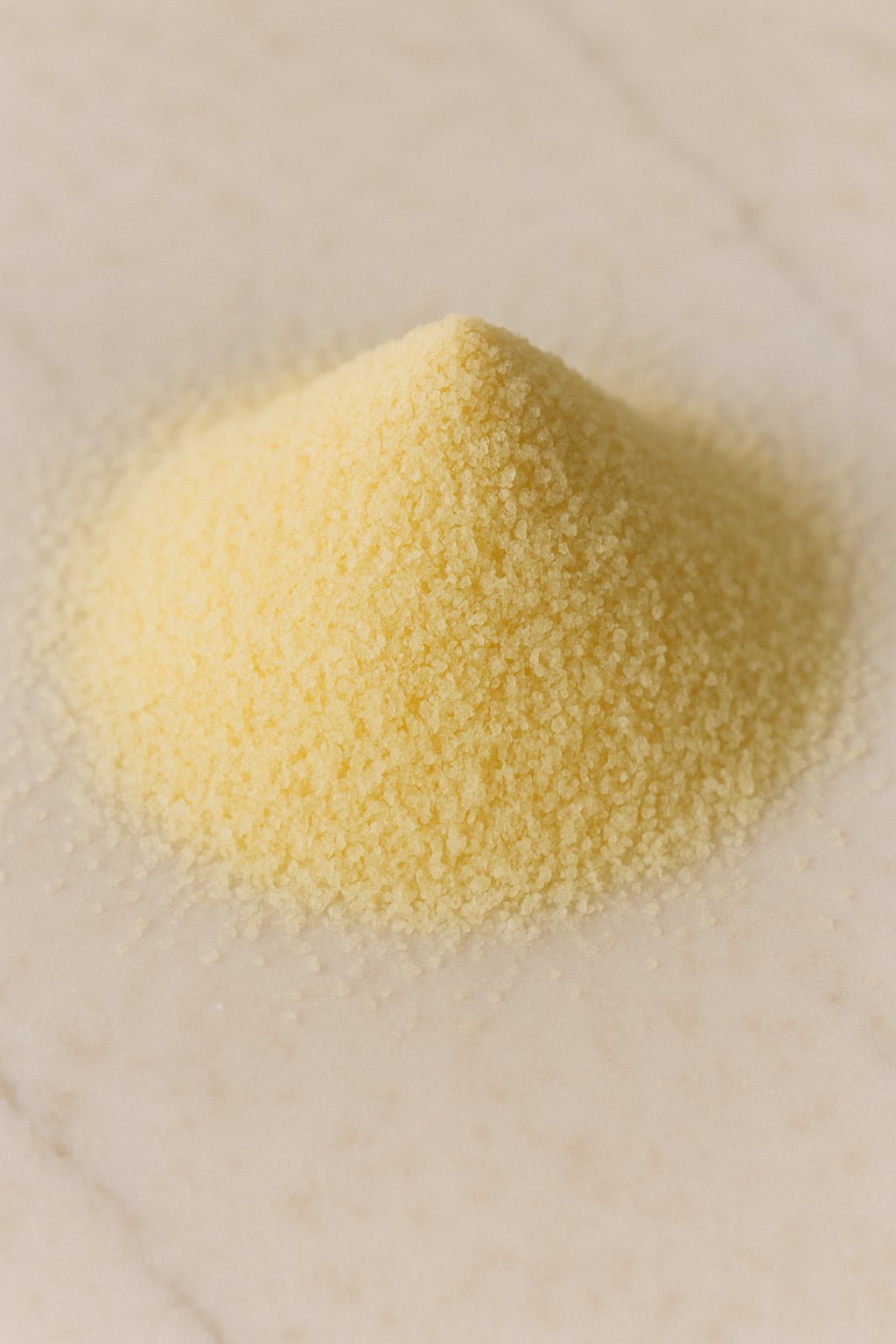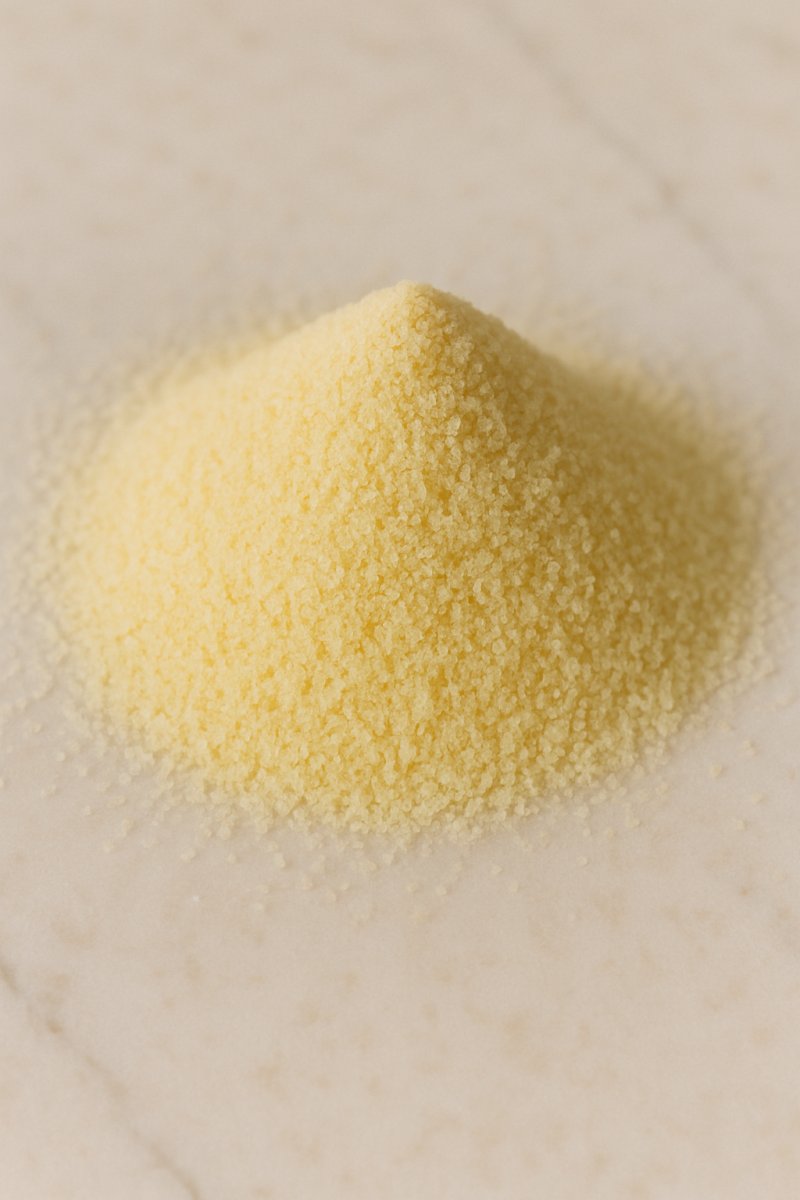
Availability and types of durum semolina
Durum semolina is a granular milled product made from a specific type of wheat called durum wheat. It is easy to find in many supermarkets, health food stores and even discount retailers. It can be bought in various package sizes, from a small 500‑gram pack to a large 5‑kilogram bag. In some countries durum semolina is a very common staple because it has a long shelf life and can be used in many dishes such as pasta, semolina porridge or casseroles.
Origin and growing regions
Durum wheat grows mainly in countries with warm, dry climates. Well-known growing regions include:
- Europe: Especially Italy is famous for high-quality durum wheat – a large share of pasta is produced there.
- North America: Much durum wheat is grown in Canada and parts of the USA.
- North Africa and the Middle East: Countries like Tunisia, Egypt and parts of Turkey also cultivate durum wheat.
Durum wheat can be thought of as a robust cereal plant that copes well with little rainfall. Therefore it often grows where summers are hot and dry. The grains are harvested, cleaned and then milled, with the coarser parts becoming semolina.
Available varieties and variants
Durum semolina does not come in only one form. Here are the main variants, simply explained:
- Fine semolina: It has very small granules, almost like coarse flour. Fine semolina is well suited for creamy semolina porridge or fine doughs.
- Coarse semolina: The granules are larger and feel somewhat crumbly. This semolina is ideal for pasta and some casseroles because it retains bite during cooking.
- Wholegrain durum semolina: In this variety the whole bran of the grain is retained, so it is darker and contains more fiber. It tastes somewhat nuttier and is healthier because more valuable components of the grain are preserved.
- Organic semolina: This semolina comes from organic farming, meaning without synthetic fertilizers or pesticides. Many people choose organic believing it is better for the environment and healthier.
- Durum wheat flour vs. semolina: Sometimes the products differ only in milling fineness: flour is finer than fine semolina. Both, however, come from the same cereal.
How to recognize good durum semolina?
Good durum semolina has a pale yellow color and a slightly nutty aroma. The packaging often states whether it comes from Italy, Canada or another country. Organic labels and indications like “wholegrain” help you decide which variant you want. For homemade pasta the coarse or medium-fine semolina is usually preferred, while fine semolina is better for sweet semolina porridge.
Summary: Durum semolina is widespread and available in many variants — from fine to coarse, in wholegrain form or as an organic product. The choice depends on what you want to make: pasta, casserole or porridge. Because durum wheat grows mainly in warm regions, many varieties come from countries like Italy, Canada or North Africa, and you can find it almost everywhere in stores.