Menu & categories

Duck

Tender poultry meat with a high protein and fat content

Wiki about duck Nutri-Score D Vegan No Gluten-free Yes Lactose-free Yes Nut-free Yes
NUTRITION / 100 g
337 kcal 19 g Protein 0 g Kohlenhydrate 28 g Fett

Introduction

Raw duck meat on a cutting board
I still remember the first roast I ever made with duck: crispy skin that quietly crackled when sliced, and meat that was juicy and flavorful, as if it had whispered a little secret to me. Duck may seem a bit demanding to many at first, yet in its versatility it is one of the most rewarding ingredients in my kitchen. Whether tradition or experiment, I continually find new ways to showcase this light yet rich meat.

What I love about duck is its range. It tastes wonderful simply with little seasoning, but also develops impressive depth when sweet-and-sour, spicy, or fruity flavors are added. A colleague of mine swears by orange marinades, while another friend prepares it with soy sauce and honey, bringing a touch of Asia to our dinner. Both variants show that duck pairs wonderfully for festive occasions as well as a cozy Thursday evening meal.

When shopping I pay attention to quality: a good duck has firm, glossy skin and a pleasant smell. Depending on whether I use a whole bird, legs, or breast, cooking times and techniques vary. For crispy skin I focus on dry skin and sufficient heat; for tender legs I rely on slow braising. I have learned that a bit of patience and a pinch of willingness to experiment are often the best companions.

Practical tips I like to pass on:

  • Temperature control: By searing in stages and then cooking at low temperature the duck stays juicy.
  • Combining flavors: Fruity components like orange or plum harmonize wonderfully with the richness of the meat.
  • Using leftovers: Duck leftovers are perfect for soups, stews, or crispy salads the next day.
In the end duck is an invitation to be creative — it rewards curiosity and care alike. Every dish tells a small story, whether it is an improvised dinner or an elaborate Sunday roast, and that is exactly what makes cooking with duck so special.

Availability & types

Availability and types

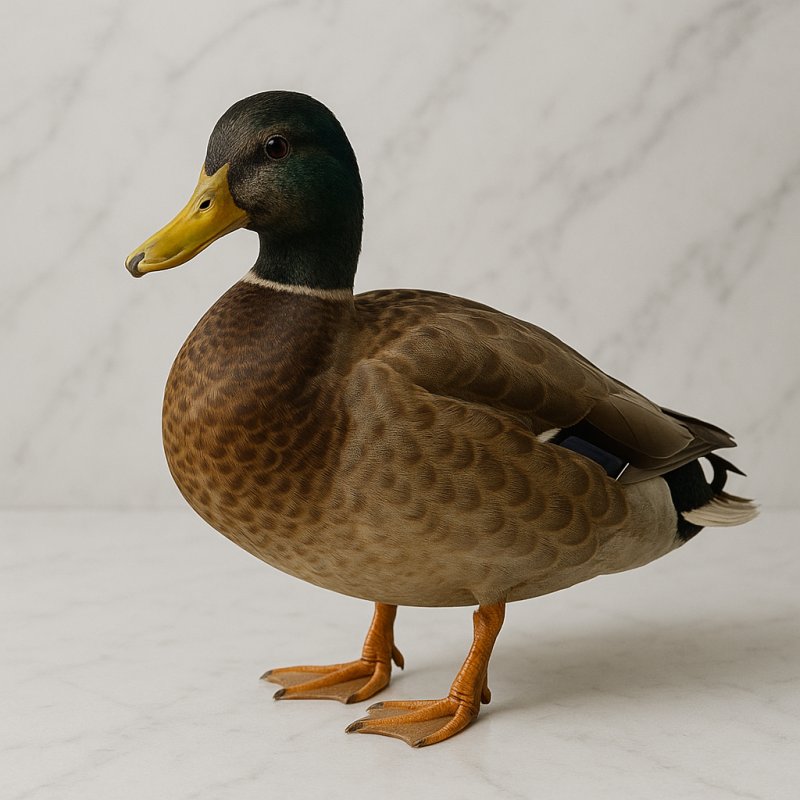
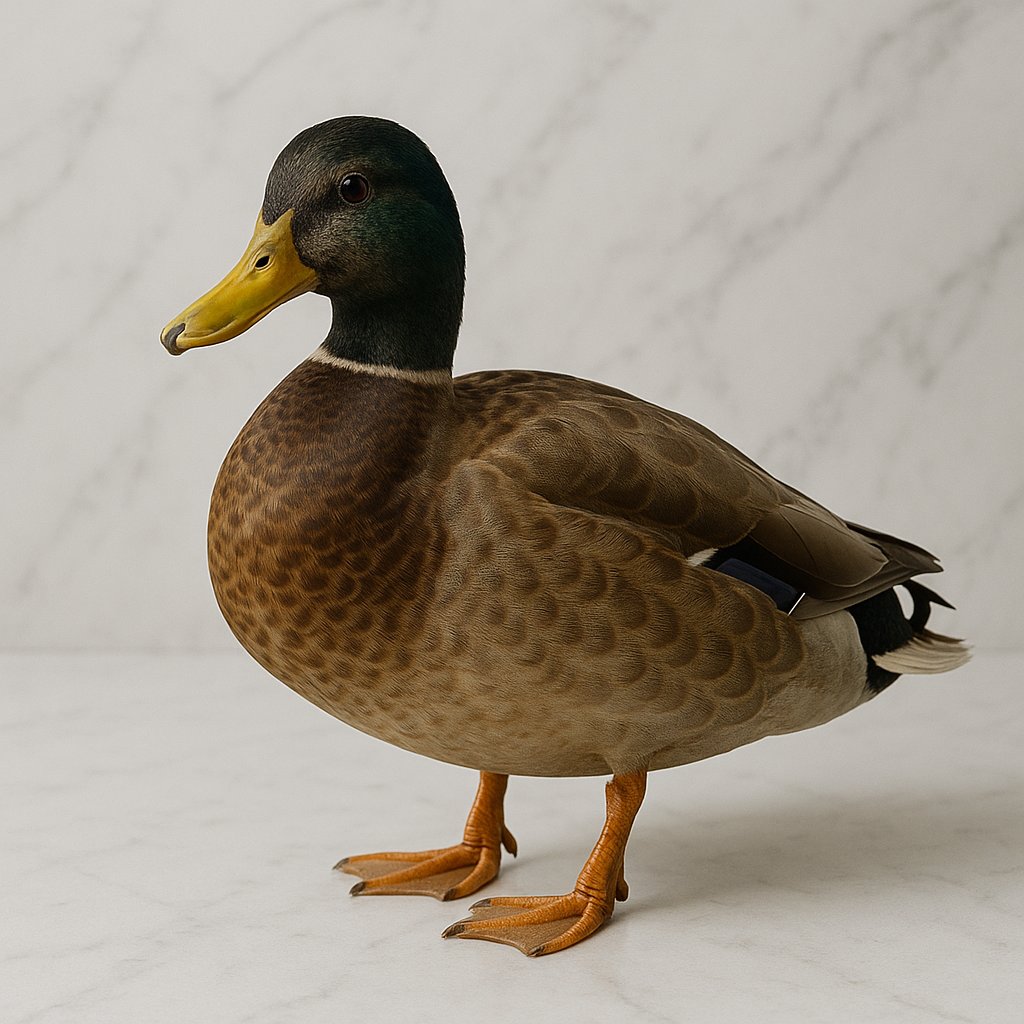
The duck is a poultry bird eaten in many parts of the world. It is commonly found in supermarkets, farmers' markets and restaurants. Some people keep ducks on farms or small holdings, others come from larger commercial operations. If you imagine a duck, think of a large bird with a broad bill and often glossy plumage — the animals we eat are raised until they are big enough.

Origin
Ducks have been kept by humans for a long time. Many of today's domestic ducks originally descend from the wild mallard, which lives in Europe, Asia and North America. Over time people have adapted and bred ducks for different regions. That is why there are ducks from Europe (for example France), Asia (for example China) and North America. Some regions are particularly known for their ducks, such as France for the famous French duck in cuisine.

Breeding/production areas
Unlike plants, duck does not "grow" in the ground but is bred. Important breeding areas are:

  • Europe – Countries like France, Germany and Poland raise many ducks for the European market.
  • Asia – China in particular is a very large producer of duck meat and products.
  • North America – there are also farms raising ducks here, especially in the USA and Canada.
On farms ducks often live in barns with outdoor access or in large modern sheds. Some ducks have access to ponds or puddles, which is more natural for them. Others are raised in larger operations and fed to grow evenly.

Available varieties and types
There are different kinds and varieties of duck that differ in size, flavor and appearance. Among the best known are:

  • Domestic duck (mallard descendant) – These ducks are the most common. They usually have firm, dark meat and are versatile in the kitchen.
  • Peking duck – A large, pale duck variety that is particularly popular. Its meat is tender and it is often roasted whole. In China Peking duck is a famous dish.
  • Muscovy duck – This type looks somewhat different, often with less fat layers and a different aroma. It originates from South America and is popular in some regions.
  • Wild duck – When people refer to wild duck they mean ducks that were not bred but live in nature. Their meat can have a stronger flavor.
There are also ducks in different processing states that you can buy:

  • Fresh duck – corresponds to the whole body or parts such as legs or breast.
  • Frozen duck – is convenient to store and keeps for a long time.
  • Canned or smoked variants – here the meat is already processed and ready to eat or reheat.
When you buy a duck you often see indications of origin and sometimes labels like "free-range" or "from controlled rearing". "Free-range" means the ducks had more space and often access to water, which is important for many people. Ultimately the choice depends on taste, price and availability in your region. Just as there are different apple varieties, there are also different types of duck — each has its own characteristics that suit certain dishes particularly well.
Details & nutrition

Property Value
Unit g
Average weight per piece 2500
Calories per 100 337
Protein per 100 19
Carbohydrates per 100 0
Sugar per 100 0
Fat per 100 28
Saturated fat per 100 9.7
Monounsaturated fat 12
Polyunsaturated fat 3
Fiber per 100 0
Vitamin C (mg) per 100 0
Vitamin D (IU) per 100 80
Calcium (mg) per 100 12
Iron (mg) per 100 2.7
Nutri-Score D
CO₂ footprint 6.0
Origin Varies by producer, often Europe or Asia
Gluten-free Yes
Lactose-free Yes
Nut-free Yes
Vegan No
Note Nutritional values for raw duck meat with skin; values may vary depending on the cut, feeding and preparation.

Technical & scientific information

Duck in culinary and nutritional contexts refers to the meat of various duck species, mainly the domestic duck (Anas platyrhynchos domesticus). Duck meat is characterized by a higher fat content and a stronger flavor compared with poultry such as chicken. The anatomical composition consists of muscle fibers, interstitial connective tissue mass, subcutaneous and intramuscular fat as well as skin, which during cooking significantly contributes to juiciness and the aromatic profile.

Chemical composition and nutritional values
Per 100 grams of raw duck meat (without skin) typical energy values fall in a range of about 160–200 kcal; with skin the calories increase markedly to 300 kcal and more. The macronutrient distribution is characterized by:

  • Proteins: Approximately 18–20 g per 100 g, with a complete amino acid profile delivering all essential amino acids in useful amounts.
  • Fats: Variable, often 10–30 g/100 g depending on cut and skin content. A high proportion of mono- and polyunsaturated fatty acids is present, including oleic acid (C18:1) and linoleic acid (C18:2), alongside saturated fatty acids such as palmitic acid (C16:0).
  • Carbohydrates: Practically negligible in pure meat.
Additionally duck meat contains important micronutrients:

  • Iron: Heme iron is bioavailable and supports erythropoiesis.
  • Zinc: Relevant for immune function and enzyme activity.
  • B vitamins: Especially niacin (B3), vitamin B6 and vitamin B12, which play roles in energy metabolism and red blood cell formation.
  • Selenium: Trace element with antioxidant action.
Processing methods
Processing of duck begins with slaughter, chilling and cutting. Common cuts are breast, legs, wings and whole animals. Several culinary procedures are common:

  • Roasting and braising: Direct roasting for breast followed by resting preserves juiciness; legs benefit from slower braising to convert connective tissue into gelatin.
  • Confit: Slow cooking in its own fat preserves and tenderizes the meat.
  • Smoking and curing: Used to intensify flavor and increase shelf life.
Safety and microbiological aspects
As with other poultry there is a microbiological risk from pathogenic bacteria such as Salmonella and Campylobacter. Thermal treatment is crucial: an internal temperature of at least 74 °C is frequently recommended to ensure potential pathogens are inactivated. Hygienic slaughter, chilling and avoidance of cross-contamination are important measures along the supply chain.

Health aspects
Duck meat provides high-quality protein and important micronutrients, but because of the higher fat content and associated energy it can affect dietary planning. Regular consumption of fatty parts should be considered in the context of an overall fat and calorie budget. People with elevated blood lipid levels or cardiovascular risks should pay attention to cooking methods and skin content. On the other hand duck meat offers useful amounts of bioavailable iron and B vitamins, which can be advantageous for people with increased needs (e.g., in cases of anemia).

Origin, animal husbandry and environmental aspects
The sustainability of duck farming varies by system. Free-range and organic systems can offer benefits for animal welfare, while industrial intensive farming may carry higher environmental burdens due to feed requirements and emissions. The genetics of different breeds influence growth rates, meat yield and fat distribution, which in turn alters sensory and nutritional properties.

Overall duck meat is a nutritious ingredient with a characteristic taste and many culinary uses. Scientific consideration includes composition, safe processing, nutritional assessment and the effects of husbandry on quality and environment. With responsible consumption and careful preparation, duck is a valuable protein source.

Wiki entry for: duck
Active now: 6 visitors of which 2 logged-in members in the last 5 minutes