Menu & categories

Dried fig

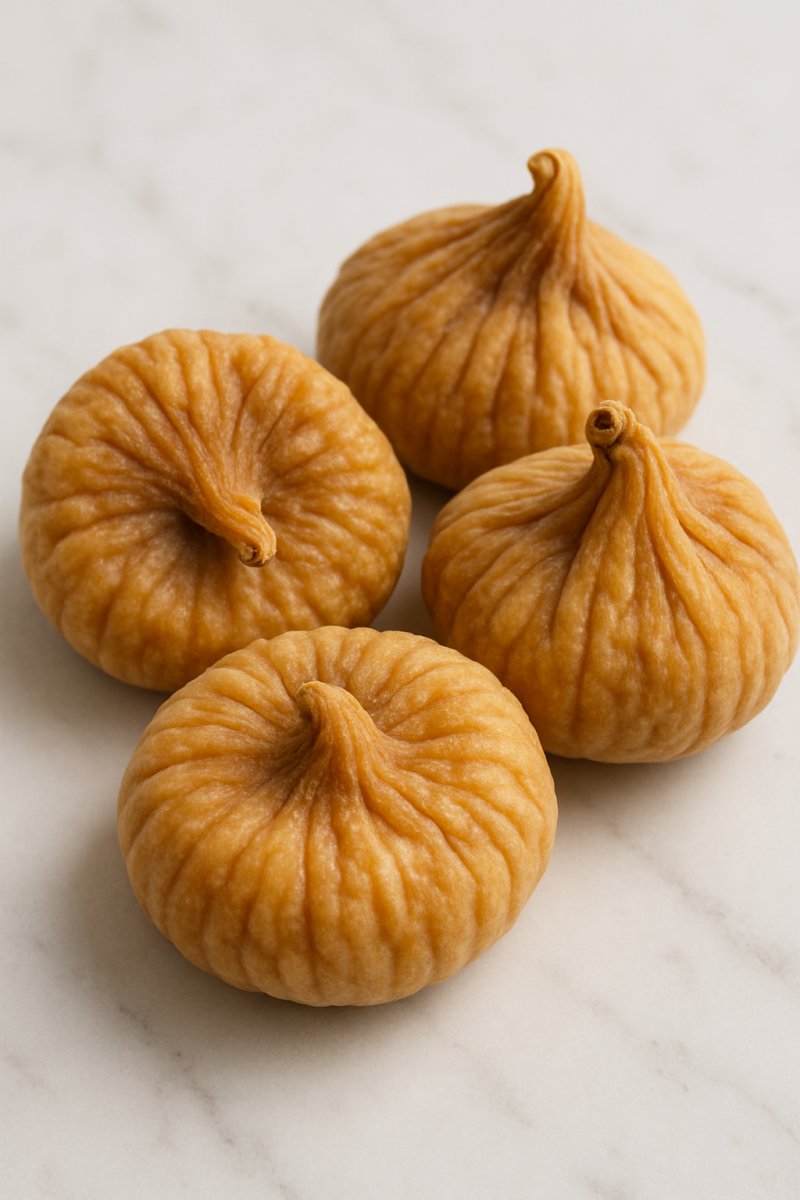
Sweet dried fruit with lots of fiber and minerals.

Wiki about dried fig Nutri-Score C Vegan Yes Gluten-free Yes Lactose-free Yes Nut-free Yes
NUTRITION / 100 g
249 kcal 3.3 g Protein 63.9 g Kohlenhydrate 0.9 g Fett

Introduction

Dried fig
Figs, especially in their dried form, are for me like little rays of sunshine in the pantry. I still remember a market stall on the Mediterranean where the scent of sweet, caramelized flesh filled the air and an older woman handed me a dried fig. The first bite was tender, sticky and at the same time nutty; since then I always keep a jar of dried figs for snacking and flavoring.

Taste and texture: Dried figs combine concentrated sweetness with a slightly grainy texture from the small seeds. They are both chewy and soft, with a caramel-like depth that shines in savory and sweet recipes alike. I especially like how they release a subtle acidity when chewed that keeps the overall profile interesting.

Practical uses in the kitchen: I use dried figs in many ways. A colleague of mine swears by finely chopping them over salads to create a sweet-salty contrast. Another time I used them in a braise, where they gave the cooking liquid a velvety fruity note. They pair wonderfully with goat cheese, nuts and full-bodied wines.

  • Snacks: Straight from the jar they are a quick energy boost.
  • Baking: In cakes or bread they provide juicy inclusions.
  • Cooking: In sauces, braises or chutneys they add depth.
  • Rehydrating: Briefly soaked in warm water they become soft and juicy again.
Besides enjoyment, I appreciate the long shelf life and easy storage of dried figs. When I have guests I like to put out a platter of figs, cheeses and honey; they always spark conversation. Dried figs are for me a small, universal pleasure that evokes memories of summer markets and inspires new culinary ideas.

Availability & types

Availability and types

Dried figs are a popular ingredient you can find almost everywhere – that's because figs have been grown and dried for a long time. The fig itself originates from regions around the Mediterranean and the Middle East. Thousands of years ago people there began collecting fruit and preserving it by drying it in the sun. It's similar to drying grapes into raisins: the fruit shrivels, becomes sweeter and keeps longer.

Origin and main growing regions

  • Turkey: Turkey is today one of the largest producers of dried figs. Many figs found in supermarkets come from there.
  • Mediterranean countries: These include Greece, Spain, Italy and Portugal. These countries have warm climates – perfect for fig trees.
  • North Africa and the Middle East: Countries such as Tunisia, Morocco, Iran and Israel also grow many figs.
  • California (USA): Fig trees grow in California and dried figs are produced there too, often from slightly different varieties.
  • Other regions: Australia, Chile and parts of southern Europe also supply figs to the world market.
So if you want to buy dried figs you can find them in big supermarkets as well as health food stores, farmers' markets or Turkish/Arabic grocery stores. They are usually available year-round because drying preserves them for a long time.

Available varieties and formats

  • By variety:
    • Calimyrna/Adriatic (golden): Light, yellowish-golden figs with a nutty flavor. They are larger and look more “sunny.”
    • Black Mission (dark): Dark, almost black-brown figs, very sweet and soft. Many people like their robust flavor.
    • Brown Turkey: A medium-sized brown variety that often tastes milder.
    • Kadota/Smyrna: Other varieties that can be found depending on origin.
  • By processing:
    • Sun‑dried (naturally dried): Dried in the sun and often have a firmer texture.
    • Oven‑dried: Evenly dried and often softer.
    • Sulfured vs unsulfured: Some figs are briefly treated with sulfur dioxide to retain a lighter color. This is not dangerous in small amounts, but some people prefer unsulfured figs because they look more natural.
    • Whole, halved or chopped: Whole figs are ideal for snacking, halved or chopped figs are often used in baked goods or mueslis.
    • Fig paste and rolls: Sometimes figs are sold as a spreadable paste or as thick rolls similar to fruit leather.
    • Organic variants: From controlled cultivation without artificial additives.
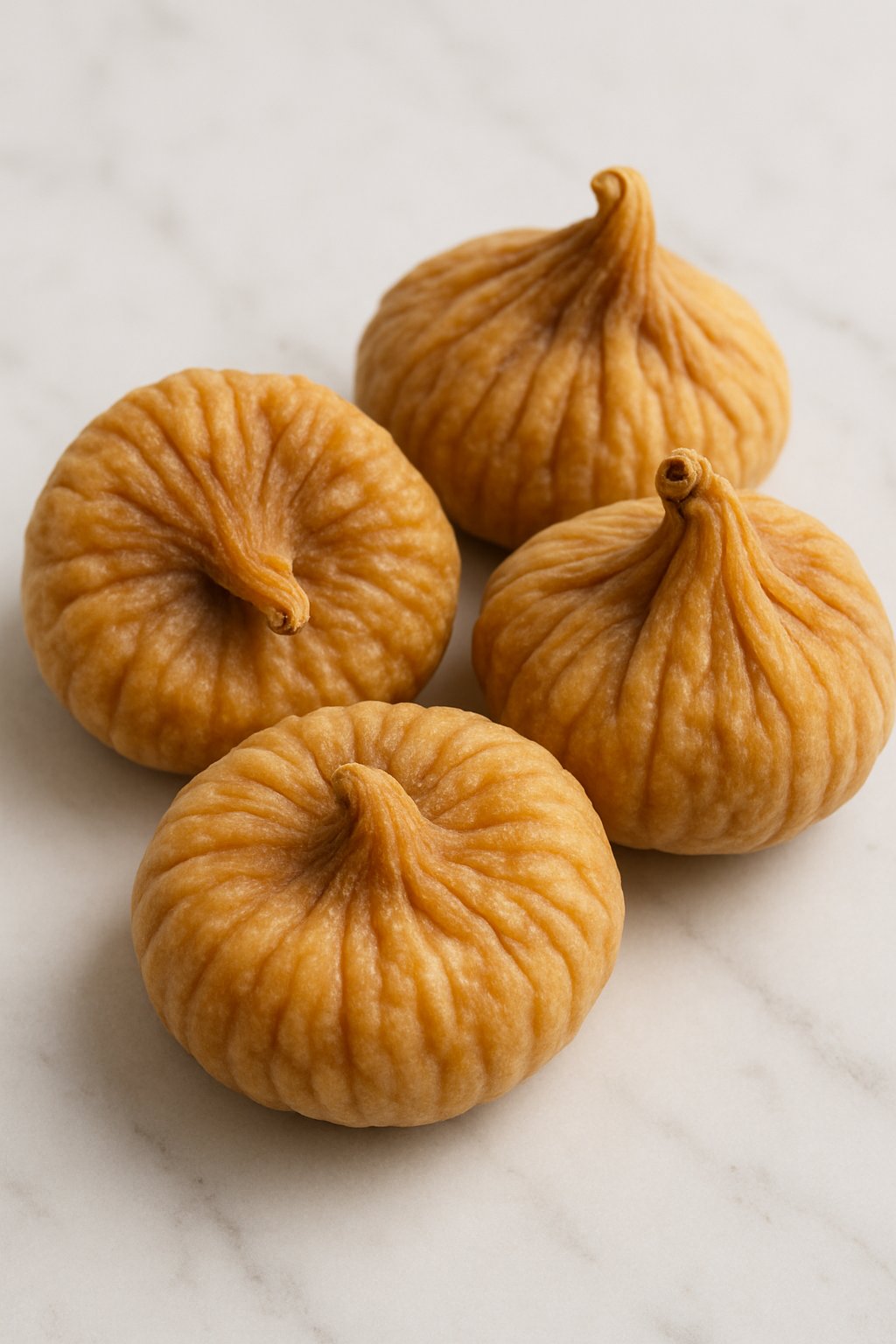
In summary: dried figs come in many colors, shapes and flavors – from golden yellow to dark brown, from firm to soft. You can buy them year‑round in supermarkets, health food stores or markets, and depending on variety and processing they taste different. Choosing which type you prefer is like choosing apples: some you like sweeter and softer, others firmer and nuttier in taste.

Details & nutrition

Property Value
Unit g
Average weight per piece 10
Calories per 100 249
Protein per 100 3.3
Carbohydrates per 100 63.9
Sugar per 100 47.9
Fat per 100 0.9
Saturated fat per 100 0.1
Monounsaturated fat 0.2
Polyunsaturated fat 0.3
Fiber per 100 9.8
Vitamin C (mg) per 100 1.2
Vitamin D (IU) per 100 0
Calcium (mg) per 100 162
Iron (mg) per 100 2.0
Nutri-Score C
CO₂ footprint 1.4 kg CO2e/kg
Origin Turkey
Gluten-free Yes
Lactose-free Yes
Nut-free Yes
Vegan Yes
Note Naturally contains a high amount of sugar; in some products traces from processing/packaging cannot be excluded.

Technical & scientific information

Fig (dried) refers to the ripe fig flesh (Ficus carica) preserved by drying. Dried figs have been known for centuries as a food and trading commodity. Drying greatly reduces water content, concentrates carbohydrates and nutrients, and alters flavor, texture and microbiological stability.

Chemical composition and constituents
The main component of dried figs is carbohydrates, primarily simple sugars such as glucose and fructose, supplemented by sucrose in varying amounts. They also contain notable amounts of fiber (soluble pectins and insoluble cellulose/hemicelluloses), organic acids (e.g. malic and citric acid), plant polyphenols and various aroma compounds. Mineral contents are relatively high: notably potassium, calcium and magnesium. Vitamins are reduced compared with fresh fruit, though some heat‑stable B vitamins remain in trace amounts.

Nutritional values (typical ranges per 100 g)
Typical values vary with variety and drying degree; roughly the following ranges apply:
  • Energy: about 240–270 kcal
  • Carbohydrates: ~60–65 g, of which sugars ~45–50 g
  • Fiber: ~8–10 g
  • Protein: ~3–4 g
  • Fat: <1 g
  • Potassium: ~600–800 mg; Calcium: ~150–200 mg; Magnesium: ~60–80 mg; Iron: ~1–3 mg
These values are for orientation; industrial processing (e.g. addition of sugar or sulfites) changes the figures.

Processing methods
Traditionally figs are sun‑dried; modern methods use hot‑air drying, freeze‑drying or osmotic techniques to control texture and quality. Pre‑treatments may be applied before drying:

  • Blanching or steaming to inactivate enzymes and improve hygiene.
  • Sulfuring (SO2) to preserve color and as a preservative.
  • Osmotic dehydration in sugar solutions to influence texture and flavor.
During drying physical‑chemical processes such as Maillard reactions and sugar concentration occur, which define color and aroma.

Health aspects
Dried figs are an energy‑dense, fiber‑rich food. Fiber and certain sugar alcohols can support bowel motility and relieve constipation. Polyphenolic compounds contribute antioxidant effects. Because of the high sugar content portion sizes are important, especially for people with diabetes mellitus or calorie restrictions. Sulfite treatment can trigger asthma or allergic reactions in sensitive individuals. Furthermore the plant contains the protease enzyme ficin, known in fresh latex for proteolytic activity; its activity is reduced by drying and heat treatment, yet contact allergies may still occur.

Safety and storage aspects
Due to low water activity dried figs are relatively shelf‑stable, but they are susceptible to sugar recrystallization, pest infestation and mold growth if stored improperly. Industrial quality control monitors moisture, microbial contamination and residues (pesticides, sulfites). Stored cool, dry and protected from light, dried figs retain quality best.

In summary, dried figs are a nutrient‑rich, sweet food high in utilizable carbohydrates, minerals and fiber. They have both culinary and nutritional value, but require mindful consumption and proper handling due to concentrated sugars and possible additives.

Wiki entry for: dried fig
Active now: 17 visitors of which 2 logged-in members in the last 5 minutes