Availability and types of coconut flakes
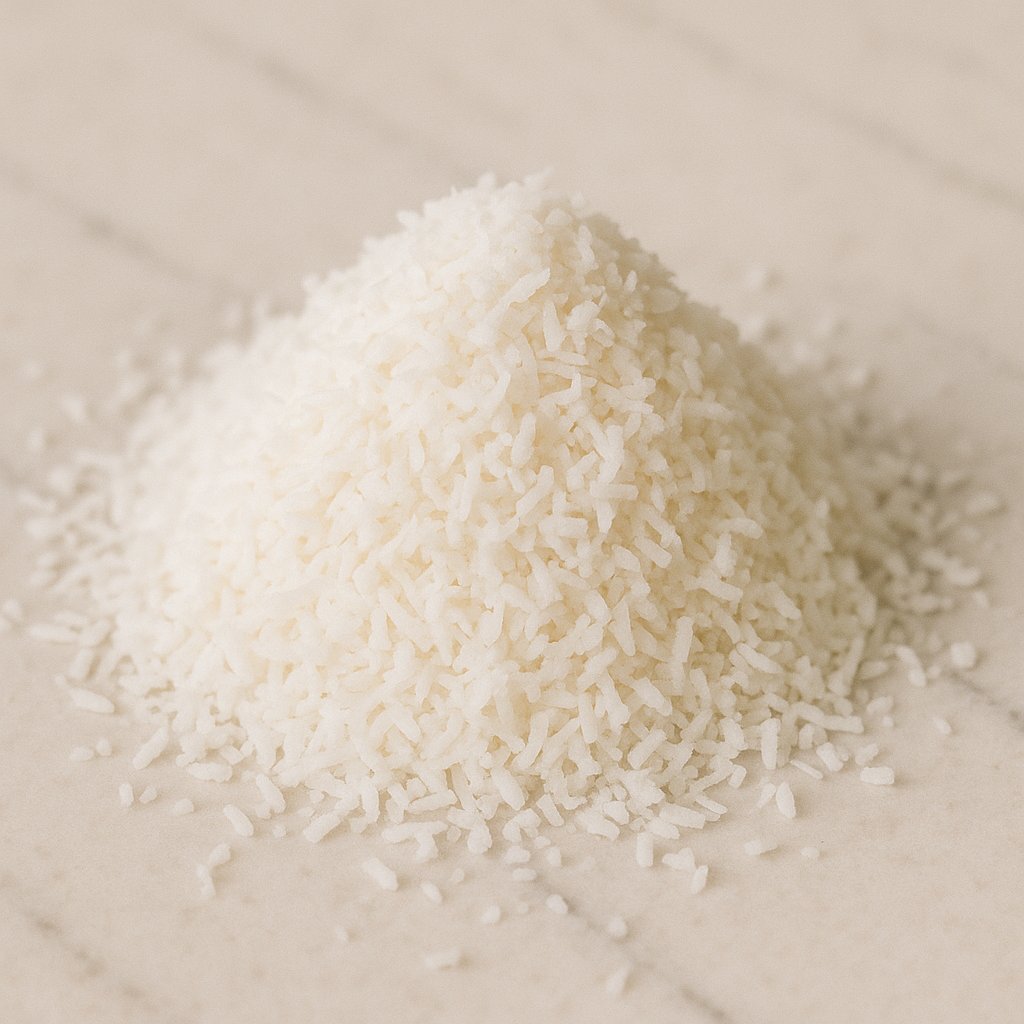
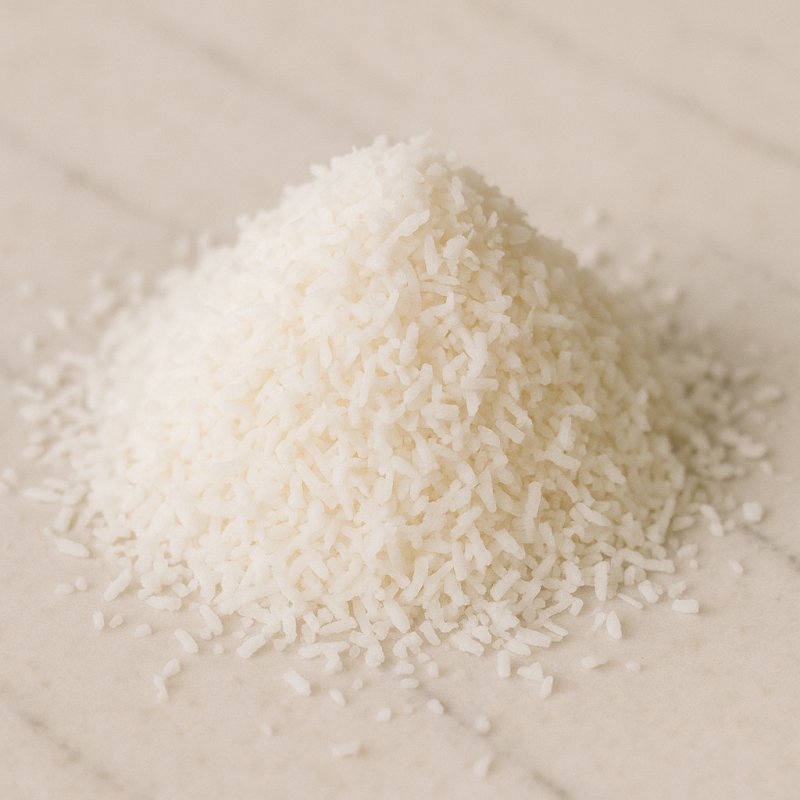
Coconut flakes come from the coconut, which grows on tall palms in warm countries. You can picture the coconut as a hard shell that contains white flesh inside. This flesh is dried and then finely grated – that's how coconut flakes are made. They are easy to find in many supermarkets, health food stores and online because they are versatile: for baking, as a topping for yogurt or muesli, and as an ingredient in hot dishes.
Origin and growing regions
Coconut palms grow mainly in tropical regions. The most important countries where coconuts are cultivated and processed into coconut flakes are:
Coconut palms grow mainly in tropical regions. The most important countries where coconuts are cultivated and processed into coconut flakes are:
- Indonesia: One of the largest growing regions. Many coconut products are produced there.
- Philippines: Known for large coconut plantations and traditional craftsmanship around the coconut.
- India: Especially in the southern states, many coconuts are harvested.
- Sri Lanka, Thailand, Vietnam and some countries in Africa: Coconut palms also grow well there.
You can imagine: coconut palms like sun, warmth and sufficient rain, which is why they are often found on beaches or in forests with a lot of sun.
Available varieties and formats
Coconut flakes come in different forms. Here are the main types, explained as if to a child:
Coconut flakes come in different forms. Here are the main types, explained as if to a child:
- Finely grated: These coconut flakes are very small and almost powdery like little flakes. They are practical when you mix them into batter or want to use a fine topping.
- Coarsely grated: These pieces are larger and crunchier. They give more bite to cakes, cookies or mueslis, like little crunchy bits in a sponge cake.
- Unsweetened coconut flakes: This is the natural variant, with nothing added. They taste slightly nutty and are ideal if you don't like too much sugar.
- Sweetened coconut flakes: Sugar has been added to make them sweeter. They are convenient when making cookies or sweets and you don't want to add extra sweetness.
- Toasted coconut flakes: These are briefly browned in a pan or oven. They then smell nuttier and taste a bit crunchier – like bread that has been lightly toasted.
- Organic coconut flakes: These come from plants grown without chemical pesticides. For people who prefer more natural farming methods.
Where to find them and what to look for
In supermarkets coconut flakes are usually located in the baking aisle or with baking ingredients. On the packaging you can see whether they are sweetened or unsweetened, and whether they are fine or coarse. If you like, try toasted flakes as a crunchy topping – it is a bit reminiscent of caramelized nuts on ice cream.
In supermarkets coconut flakes are usually located in the baking aisle or with baking ingredients. On the packaging you can see whether they are sweetened or unsweetened, and whether they are fine or coarse. If you like, try toasted flakes as a crunchy topping – it is a bit reminiscent of caramelized nuts on ice cream.
In summary: coconut flakes come from tropical countries like Indonesia, the Philippines or India and are available in many variants – fine or coarse, sweetened or unsweetened, toasted or raw. They are easy to obtain and suit many dishes, whether sweet or savory. That way you can choose the appropriate variety depending on the recipe and taste and try out delicious ideas with coconut flakes.