Availability and types of dates
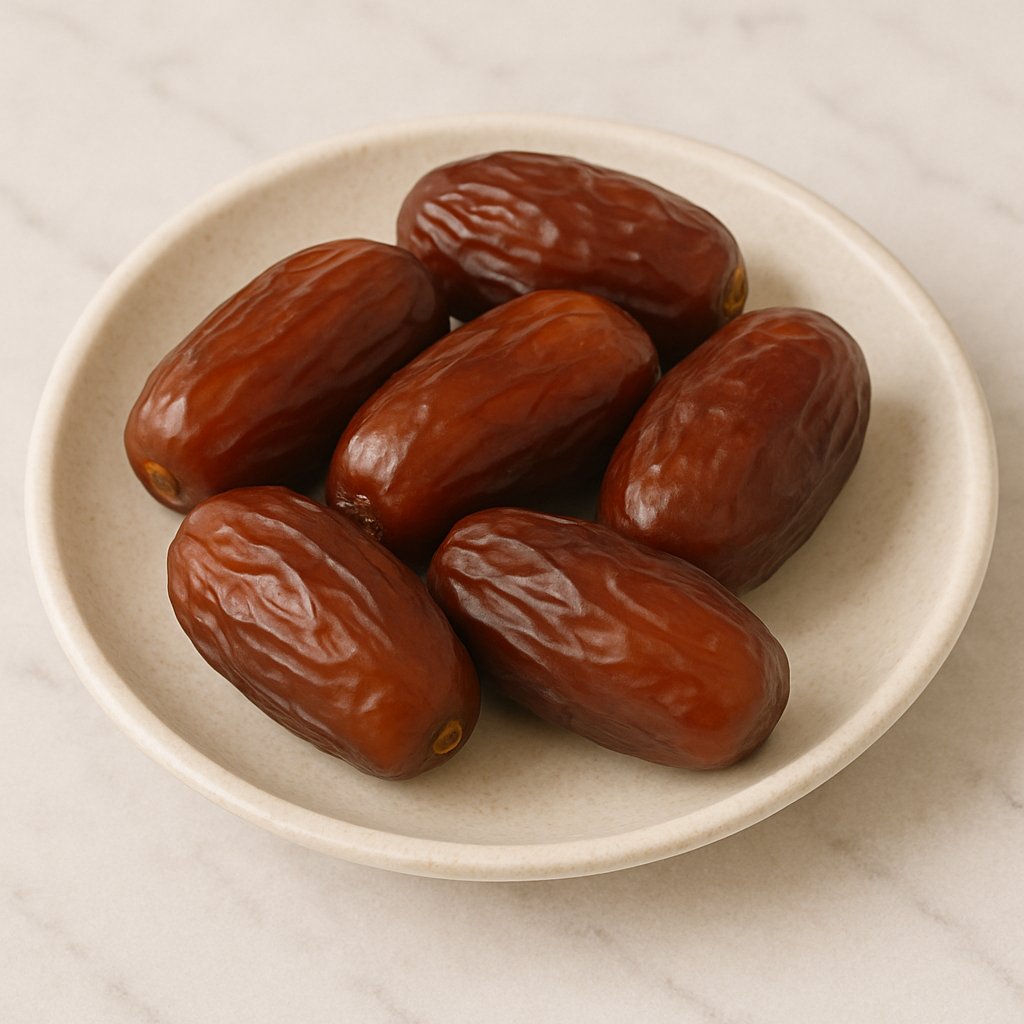
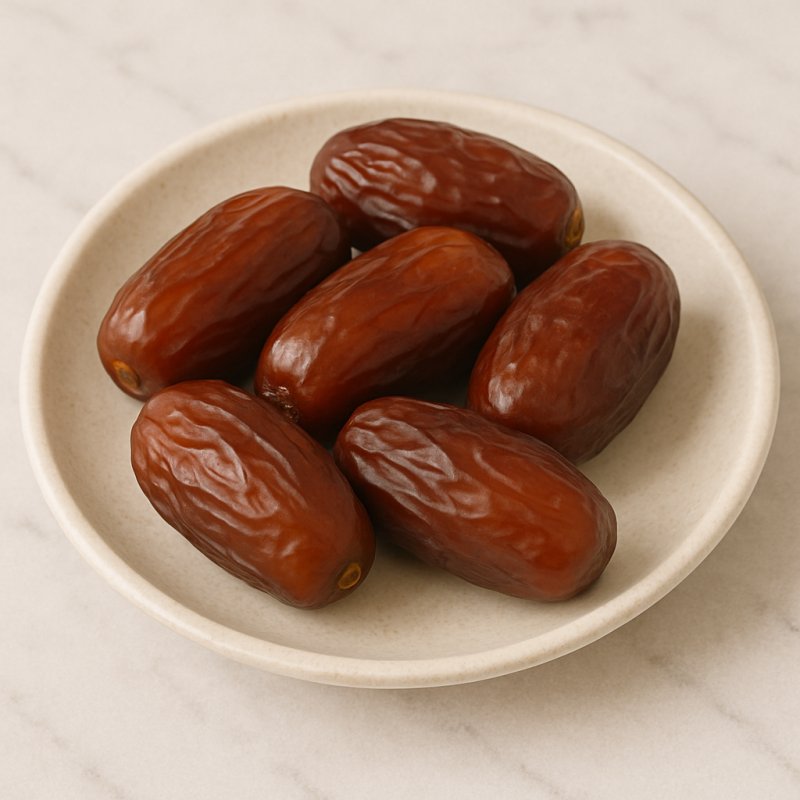
Dates are sweet fruits that grow on tall palms and have been eaten for many years in warm regions of the world. If you hold a date in your hand, it looks like an elongated olive, is soft and very sweet. Some people eat them plain, others use them in baking or as a snack. Here I explain where dates come from, in which areas they are grown and which varieties and types you can find in the store — all so simple that a 12‑year‑old can understand it.
Origin
Dates originally come from parts of North Africa and the Middle East. Thousands of years ago people planted date palms there because the plants grow well in hot, dry areas. Date palms need a lot of sun and little rain — they are therefore plants that do well in desert towns or oases. Today, however, dates are not only grown there but also in other warm regions of the world.
Dates originally come from parts of North Africa and the Middle East. Thousands of years ago people planted date palms there because the plants grow well in hot, dry areas. Date palms need a lot of sun and little rain — they are therefore plants that do well in desert towns or oases. Today, however, dates are not only grown there but also in other warm regions of the world.
Growing regions
Date palms grow especially well in warm countries. Important growing regions include:
Date palms grow especially well in warm countries. Important growing regions include:
- North Africa: Countries such as Egypt and Tunisia are large producers. Egypt is one of the most important countries for dates.
- Middle East: Countries such as Saudi Arabia, Iran and Iraq grow many dates. In these regions dates often form part of the daily diet.
- North America: There are also date plantations in California (USA). Here date palms grow particularly well in warm valleys.
- Other warm regions: Parts of Australia and Southern Europe also have date plantations.
Available varieties
There are many different varieties of dates — just as apples have different types (for example Gala or Granny Smith). Each variety tastes a little different: some are very sweet, some milder, some are soft and sticky, others a bit firmer. Here are some well‑known varieties you can find in stores:
There are many different varieties of dates — just as apples have different types (for example Gala or Granny Smith). Each variety tastes a little different: some are very sweet, some milder, some are soft and sticky, others a bit firmer. Here are some well‑known varieties you can find in stores:
- Medjool: These dates are large, very soft and super sweet. Many people like them as a snack because they are almost like little energy balls.
- Deglet Noor: Slightly firmer and less sticky than Medjool. They have a mild, caramel taste and are often used for cooking and baking.
- Barhi: Very juicy and sometimes almost fruity when fresh. They can have a round shape and are very tender.
- Ajwa and other regional varieties: In certain countries there are local specialties that have their own flavor and particular significance.
Forms and processing
In the supermarket you will find dates in different forms. Some are fresh, others dried or pitted. These are the most common variants:
In the supermarket you will find dates in different forms. Some are fresh, others dried or pitted. These are the most common variants:
- Fresh dates: They are juicy and soft but not always available everywhere because they spoil more quickly.
- Dried dates: They last longer, are often a bit stickier and very sweet. Many people buy dried dates because they are convenient as a snack.
- Pitted dates: These are already freed from their kernel and are good for cooking or filling with nuts.
- Stuffed or processed dates: Sometimes dates are filled with almonds or cream cheese or coated in chocolate — these are tasty variants as gifts or desserts.
In summary: dates originally come from hot regions, are now grown in many warm countries and are available in many varieties such as Medjool or Deglet Noor. You can buy them fresh, dried or already pitted, and there are even stuffed or chocolate‑coated dates. This way you will surely find a variant you like — as a sweet snack, in muesli or as an ingredient in baking.