Availability and types of curry
When we talk about curry, many people mean not just a single ingredient but a whole family of spices and dishes. The word 'curry' originally comes from Southeast Asia and was adopted by the British. Today you can find curry in shops around the world, but exactly what you get depends on where you live and what you are looking for.
Origin and growing regions
Curry is not a single spice but often a blend of many spices. Many of the individual ingredients used in curry mixes come from regions such as India, Sri Lanka, Thailand, Indonesia and other warm countries. Plants grown there include turmeric roots (for the yellow colour), coriander, cumin, chili and fennel. Turmeric, for example, is mainly cultivated in India, while cloves or cinnamon come from other tropical regions. You can think of it like this: curry is like a fruit salad — the different fruits (spices) come from different gardens (countries).
Available types and variants
- Indian curry blends: These are often warm and spicy. They frequently contain turmeric, coriander, cumin, mustard seeds and sometimes fenugreek. Indian curries are like a colourful rainbow of flavours.
- Thai curry pastes: Unlike dry mixes, Thai curries are often pastes made from fresh ingredients like lemongrass, galangal (a type of ginger), chili and kaffir lime leaves. They are intense and give dishes freshness and heat.
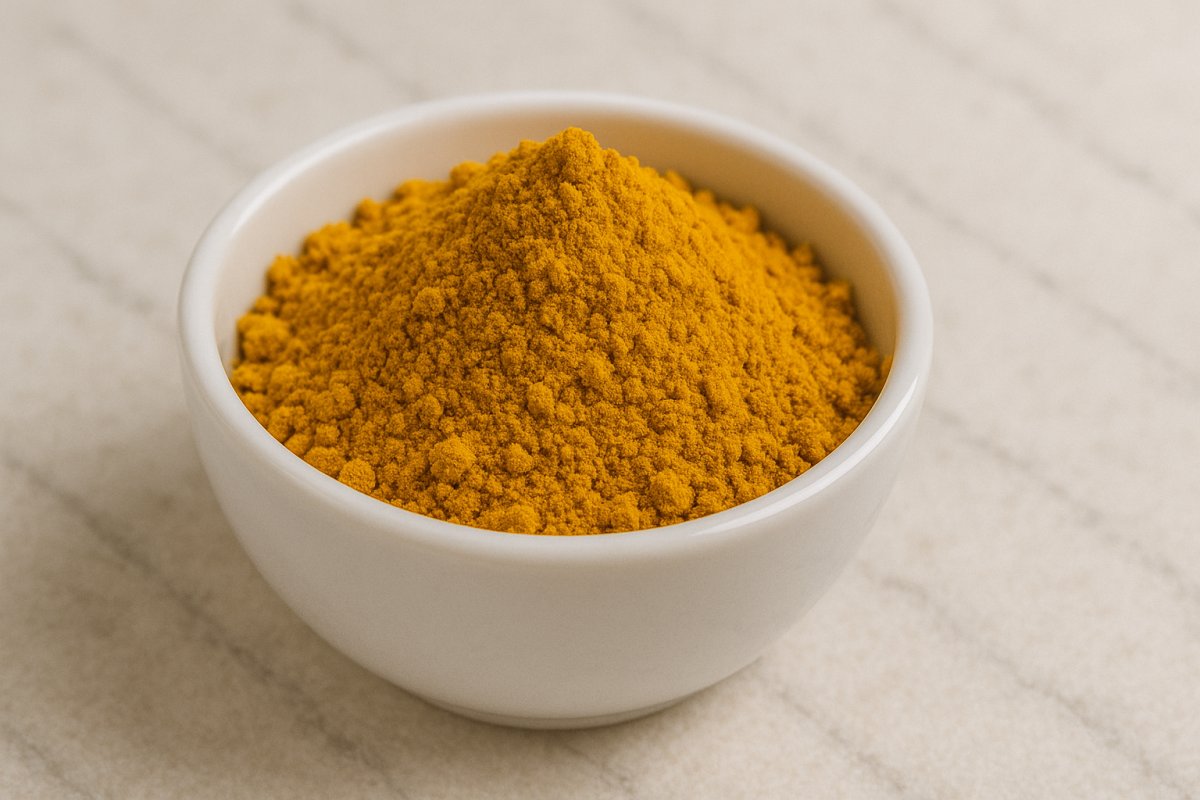
- Curry in powder form: This is a dried mix sold as a powder. It is convenient and long-lasting. You sprinkle it into pans or soups, similar to salt and pepper.
- Regional variants: Each country has its own versions. For example, Sri Lankan curries are often very spicy and use coconut milk, while Japanese curries are milder and thicker — almost like a sauce that pairs well with rice.
- Ready-made curry products: In supermarkets you can also find ready sauces, jarred pastes or cubes that only need to be mixed with water or coconut milk. This is convenient for quick dishes.
How easy is it to find curry?
Curry is now widely available. Almost every supermarket has at least one curry powder blend or a Thai paste. In smaller shops or specialty spice stores you often find multiple variants from different countries. At farmers' markets or Asian shops there are sometimes freshly mixed or even homemade pastes that are especially aromatic.
Tips for trying it out
If you're curious, start with a small packet. Try a mild curry powder first if you don't like spicy foods. For more freshness and different flavours try a Thai paste. Remember: like in a piece of music small additions change the melody — a bit of chili or turmeric can completely change a dish's taste.
In summary: curry is versatile and available in many forms — as powder, paste or ready sauce — and the ingredients come from warm growing regions around the world. Whether you prefer mild or spicy, there's surely a curry type you'll like and that you'll be able to find easily in stores.