Menu & categories

Curry

Aromatic spice blend made from various herbs and spices

Wiki about curry Nutri-Score B Vegan Yes Gluten-free No Lactose-free Yes Nut-free No
NUTRITION / 100 g
325 kcal 14 g Protein 58 g Kohlenhydrate 14 g Fett

Introduction

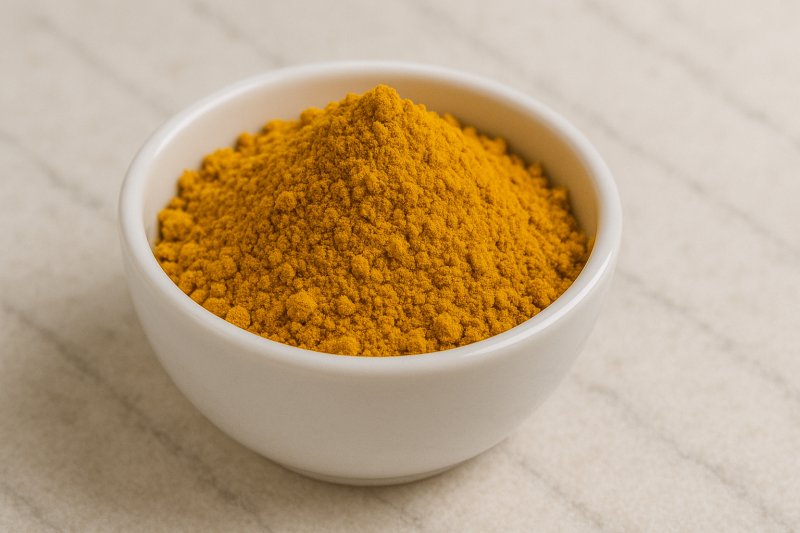
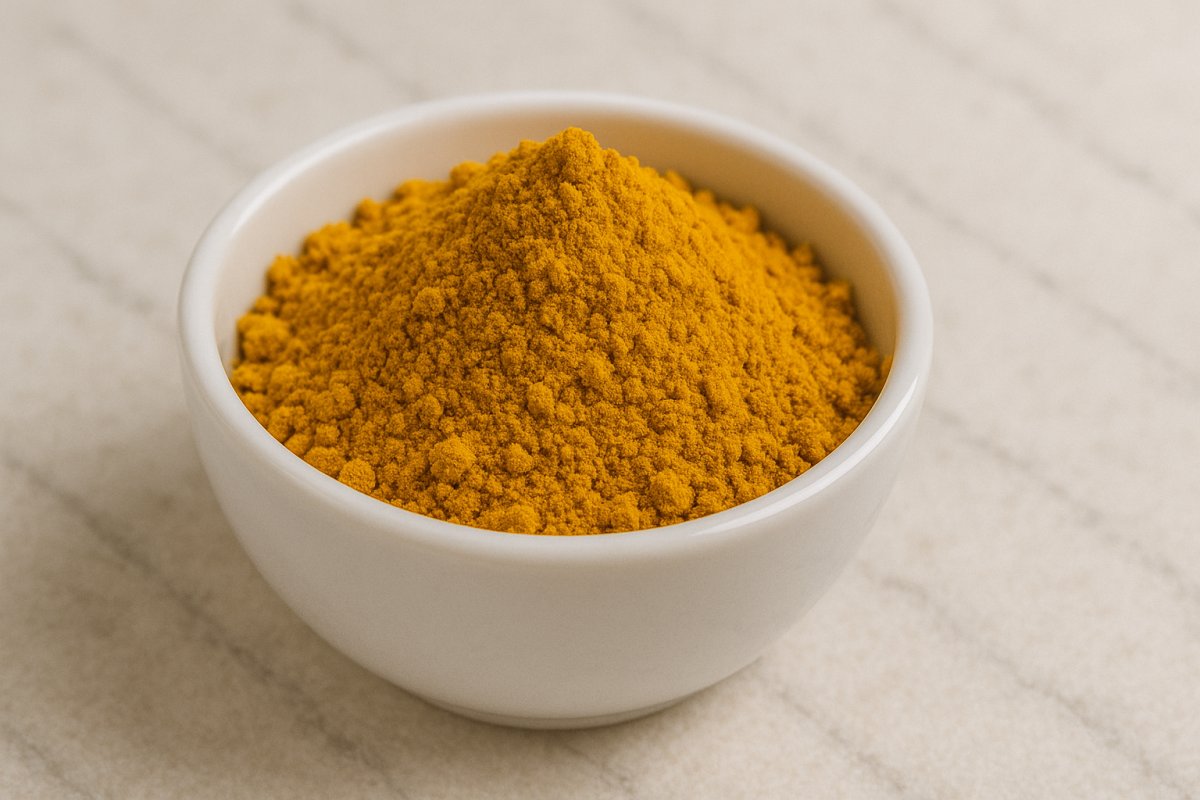
Yellow curry powder in a bowl with a spoon
I still remember the first intense scent that practically pulled me out of a kitchen at a market in a foreign city: a warm, earthy blend of cumin, coriander and a hint of turmeric that immediately triggered a homely feeling. Since then curry for me has been more than just an ingredient; it is a chameleon of the kitchen that, depending on the combination and origin, tells very different stories. You can experience curry as a powder, paste or freshly ground spice, and each variant has its own character.

In a small cooking class I once attended, I learned how different curry blends can be: South Indian mixes were hot and aromatic, with mustard seeds and coconut, while a blend from Sri Lanka contained more cinnamon and cloves and came across as surprisingly sweet. A colleague of mine swore by ready-made curry pastes in jars for years until I persuaded him to try making it himself. The homemade paste had so much freshness and depth that he never wanted to go back.

What I love about curry is its versatility. It pairs with vegetables, fish, lentils, chicken or even stews and soups. The basic ingredients that often recur are turmeric, cumin, coriander and chili, but it is the play with amounts, roasting and oil that turns the same base into very different dishes. I learned to lightly toast spices to release aromas, and sometimes a squeeze of lime is enough to brighten the whole thing.

  • Taste: earthy, warm, sometimes spicy, sometimes sweet.
  • Forms: powder, paste, freshly ground.
  • Uses: from curries and marinades to soups and dressings.
For me curry is also a social taste: it brings people to a table, invites sharing and opens conversations about origin and memories. In the kitchen it is a reliable friend that turns simple ingredients into a comforting, aromatic dish. So the next time I sprinkle a pinch of curry over sautéed vegetables, I will think of the market, the cooking class and the colleague who had never been so excited about a spice before.

Availability & types

Availability and types of curry

When we talk about curry, many people mean not just a single ingredient but a whole family of spices and dishes. The word 'curry' originally comes from Southeast Asia and was adopted by the British. Today you can find curry in shops around the world, but exactly what you get depends on where you live and what you are looking for.

Origin and growing regions

Curry is not a single spice but often a blend of many spices. Many of the individual ingredients used in curry mixes come from regions such as India, Sri Lanka, Thailand, Indonesia and other warm countries. Plants grown there include turmeric roots (for the yellow colour), coriander, cumin, chili and fennel. Turmeric, for example, is mainly cultivated in India, while cloves or cinnamon come from other tropical regions. You can think of it like this: curry is like a fruit salad — the different fruits (spices) come from different gardens (countries).

Available types and variants

  • Indian curry blends: These are often warm and spicy. They frequently contain turmeric, coriander, cumin, mustard seeds and sometimes fenugreek. Indian curries are like a colourful rainbow of flavours.
  • Thai curry pastes: Unlike dry mixes, Thai curries are often pastes made from fresh ingredients like lemongrass, galangal (a type of ginger), chili and kaffir lime leaves. They are intense and give dishes freshness and heat.
  • Curry in powder form: This is a dried mix sold as a powder. It is convenient and long-lasting. You sprinkle it into pans or soups, similar to salt and pepper.
  • Regional variants: Each country has its own versions. For example, Sri Lankan curries are often very spicy and use coconut milk, while Japanese curries are milder and thicker — almost like a sauce that pairs well with rice.
  • Ready-made curry products: In supermarkets you can also find ready sauces, jarred pastes or cubes that only need to be mixed with water or coconut milk. This is convenient for quick dishes.
How easy is it to find curry?

Curry is now widely available. Almost every supermarket has at least one curry powder blend or a Thai paste. In smaller shops or specialty spice stores you often find multiple variants from different countries. At farmers' markets or Asian shops there are sometimes freshly mixed or even homemade pastes that are especially aromatic.

Tips for trying it out

If you're curious, start with a small packet. Try a mild curry powder first if you don't like spicy foods. For more freshness and different flavours try a Thai paste. Remember: like in a piece of music small additions change the melody — a bit of chili or turmeric can completely change a dish's taste.

In summary: curry is versatile and available in many forms — as powder, paste or ready sauce — and the ingredients come from warm growing regions around the world. Whether you prefer mild or spicy, there's surely a curry type you'll like and that you'll be able to find easily in stores.
Details & nutrition

Property Value
Unit g
Calories per 100 325
Protein per 100 14
Carbohydrates per 100 58
Sugar per 100 2
Fat per 100 14
Saturated fat per 100 2
Monounsaturated fat 2
Polyunsaturated fat 8
Fiber per 100 50
Vitamin C (mg) per 100 25
Vitamin D (IU) per 100 0
Calcium (mg) per 100 480
Iron (mg) per 100 20
Nutri-Score B
CO₂ footprint 3.0
Origin Depends on the blend and manufacturer; typically spices from South Asia
Gluten-free No
Lactose-free Yes
Nut-free No
Vegan Yes
Note Curry is a spice blend whose exact composition can vary greatly by manufacturer. Nutritional values and allergens may therefore vary; check the label of the specific product.

Technical & scientific information

Curry in Western cuisine refers to a spice composition or a spice powder that originates from South Asian cooking traditions. The term is not a single botanical product but a collective term for mixtures of several dried and ground spices. Typical constituents are turmeric root (Curcuma longa), coriander (Coriandrum sativum), cumin (Cuminum cyminum), fenugreek (Trigonella foenum-graecum), allspice (Pimenta dioica), as well as pepper, cloves and various chili varieties. The exact proportions vary regionally and by manufacturer.

Chemical composition and constituents: The chemical signature of curry arises from the individual components. Turmeric provides the yellow pigment curcumin, a polyphenol with lipophilic characteristics. Cumin contains essential oils such as cuminaldehyde, while coriander seeds contain linalool and other terpenes. Chillies bring capsaicinoids such as capsaicin, which provide heat and have lipophilic properties. Other relevant groups are flavonoids, monoterpenes, sesquiterpenes and various phenolic compounds that have antioxidant activities.

Nutritional values: Ground curry mixes consist mainly of carbohydrates and fiber with low fat and protein content and a very low calorie density per gram, since spices are used in small amounts. Per 100 g, depending on composition, there can be about 300–400 kcal, 10–20 g fat (mainly from seed components), 30–50 g carbohydrates and 10–20 g protein; however these values are not representative for typical culinary use (gram or teaspoon amounts) of a meal's overall balance.

Processing methods: Production begins with drying whole plant parts, followed by roasting, grinding and fine-tuning the blend. Roasting influences aroma through Maillard reactions and thermal decomposition of volatile terpenes, producing roasted, nutty and smoky notes. Industrially produced curry powders may contain anti-caking agents (e.g. tricalcium phosphate) to ensure free-flowing properties. Fresh curry leaves (Murraya koenigii) are botanically and sensorially distinct from curry powders and are usually used fresh or freeze-dried.

Sensory and physical properties: Curry mixes are complex in smell and taste: they combine aromatic, earthy, bitter, spicy and sometimes sweet notes. The color ranges from yellow through orange to brown; curcumin is the main pigment and is light-sensitive, so prolonged exposure to light and heat can lead to color and aroma degradation.

Health aspects: Many components show bioactive effects in vitro and in animal studies. Curcumin exhibits anti-inflammatory and antioxidant properties, but its oral bioavailability in humans is low without absorption enhancers (e.g. piperine from black pepper). Capsaicin affects pain receptors and energy metabolism, but can cause gastrointestinal irritation in sensitive individuals. Essential oils from cumin and coriander show antibacterial and digestion-supporting effects. Because of the concentration of essential oils, large amounts of spice powder can cause irritation or allergic reactions in sensitive people.

Safety and quality: Quality depends on raw material factors such as growing location, harvest time and storage. Turmeric powder can — like other spices — be contaminated with heavy metals or fillers, so trustworthy sources and purity seals are relevant. For industrially produced mixes, declarable additives, allergens or separating agents should be noted.

In summary, curry is a versatile, culturally and chemically complex spice composition whose properties are determined by the selection and processing of the individual components. The combination provides not only characteristic sensory profiles but also a variety of plant secondary compounds with potential nutritional effects, whose practical significance depends on dose, bioavailability and individual sensitivity.

Wiki entry for: curry
Active now: 18 visitors of which 2 logged-in members in the last 5 minutes