Availability and types of cream yogurt
What is cream yogurt and where does it come from?
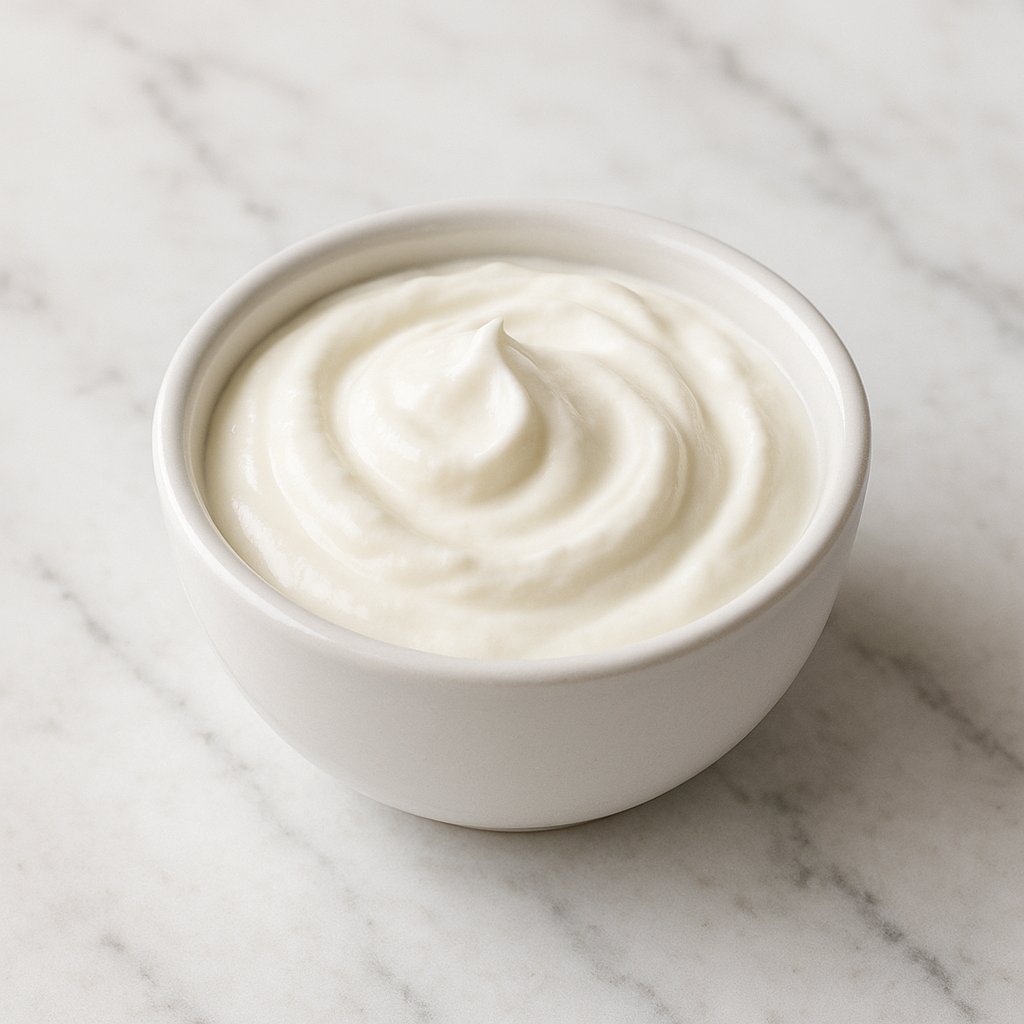
Cream yogurt is a yogurt to which some cream or high-fat milk has been added before or during production. This makes it especially creamy and slightly richer in taste than regular yogurt. The base ingredient is always milk – usually from cows, sometimes from goats or sheep. The milk often comes from nearby farms, because fresh milk can be processed more quickly. In Europe cream yogurt is produced a lot in countries with many cows, for example Germany, Austria, the Netherlands, France or Greece (where there are similar, very thick yogurts).
Cream yogurt is a yogurt to which some cream or high-fat milk has been added before or during production. This makes it especially creamy and slightly richer in taste than regular yogurt. The base ingredient is always milk – usually from cows, sometimes from goats or sheep. The milk often comes from nearby farms, because fresh milk can be processed more quickly. In Europe cream yogurt is produced a lot in countries with many cows, for example Germany, Austria, the Netherlands, France or Greece (where there are similar, very thick yogurts).
Where can you find cream yogurt in the store?
Cream yogurt is available almost everywhere: supermarkets, health food stores, discount stores and weekly markets. You can buy it year-round because dairy farms and dairies produce regularly. Smaller farms sometimes sell their own cream yogurt directly on site or at the market – this is often especially fresh. If you are looking for something special, terms like organic (from ecological farming), local (from the region) or lactose-free (for people who do not tolerate milk sugar well) can help.
Cream yogurt is available almost everywhere: supermarkets, health food stores, discount stores and weekly markets. You can buy it year-round because dairy farms and dairies produce regularly. Smaller farms sometimes sell their own cream yogurt directly on site or at the market – this is often especially fresh. If you are looking for something special, terms like organic (from ecological farming), local (from the region) or lactose-free (for people who do not tolerate milk sugar well) can help.
Which types and variants exist?
Cream yogurt comes in many forms. Here are the main ones, explained simply:
Cream yogurt comes in many forms. Here are the main ones, explained simply:
- Plain / unsweetened: No sugar, only milk, cream and yogurt cultures. Good for cooking or with honey and fruit.
- With fruit: Flavors like strawberry, peach or cherry are often added at the bottom of the cup – sweeter and kid-friendly.
- Greek / Greek-style: Very creamy and often thicker because more liquid has been strained out. Tastes almost like a velvety spread.
- Full-fat to reduced-fat: Cream yogurt is available with different fat contents. More fat = creamier. Less fat = lighter, sometimes with thickeners to keep the consistency.
- With live cultures (probiotics): Some yogurts have additional bacteria that can be good for the gut. “Cultures” are simply friendly microorganisms that turn milk into yogurt – like little helpers.
- Organic / ecological: Here the milk comes from farms that use fewer chemicals on their fields and place more value on animal husbandry. Often more expensive, but important to some people.
- Lactose-free variants: For people who cannot tolerate milk sugar, there are cream yogurts from which the lactose has been removed.
Tips for choosing
If you are particular, pay attention to ingredient lists: the fewer additives, the more natural the yogurt. For cakes or sauces choose the creamier variant, for a lighter snack the reduced-fat or plain type.
If you are particular, pay attention to ingredient lists: the fewer additives, the more natural the yogurt. For cakes or sauces choose the creamier variant, for a lighter snack the reduced-fat or plain type.
In summary, cream yogurt is a widely available, versatile ingredient that comes in many forms – from completely natural to fruity-sweet, from regional farm products to organic or lactose-free variants. There is always a type that fits the taste and intended use.