Availability and types
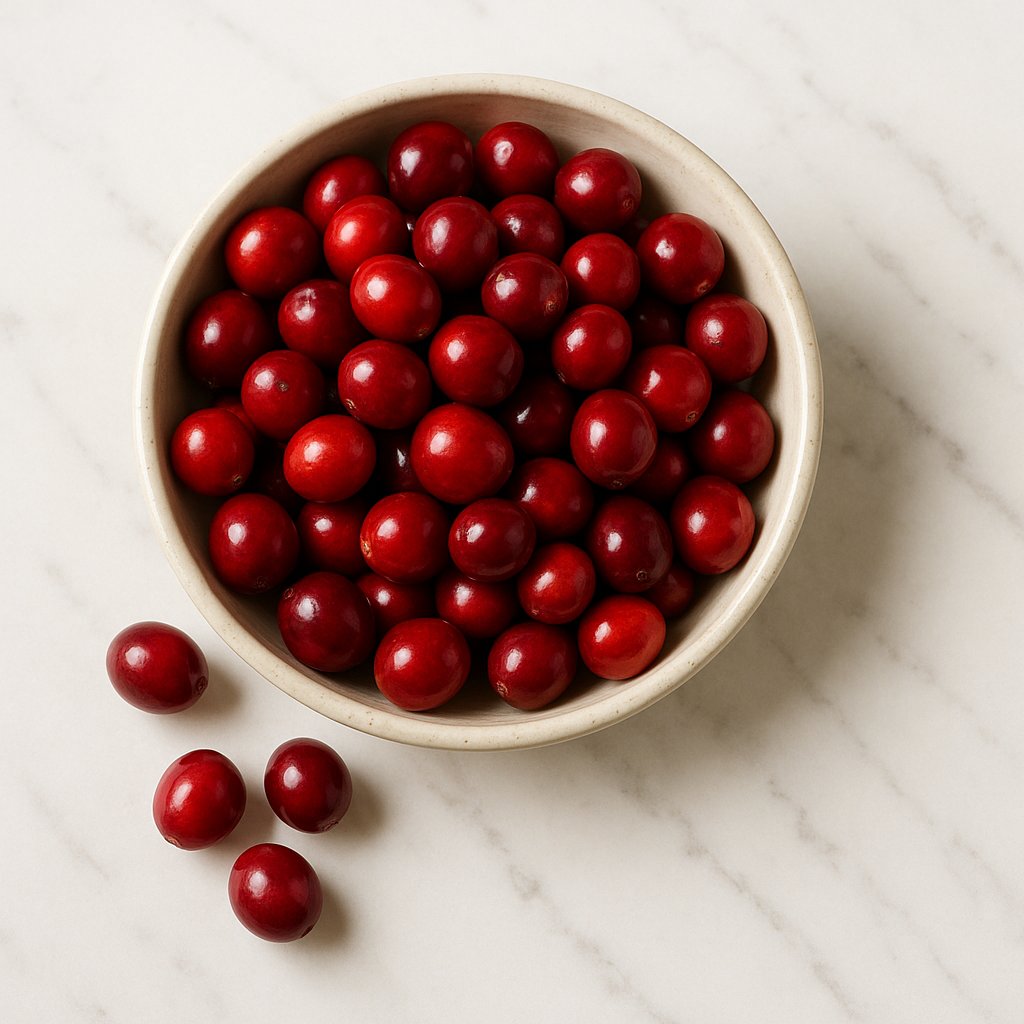
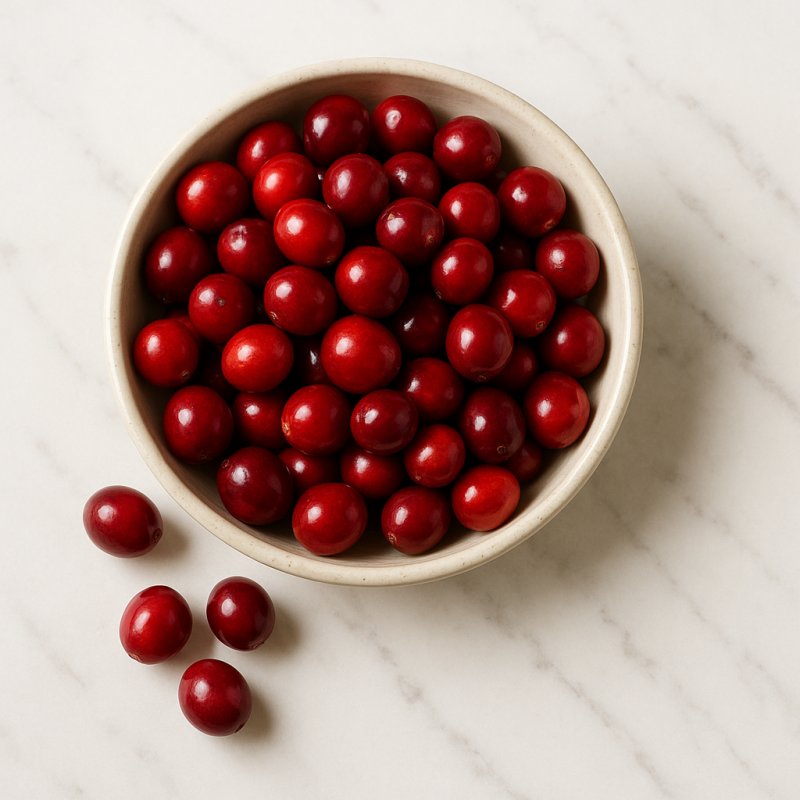
Cranberries are small red berries that often taste tart. If you want to know where they come from and what kinds there are, it's not hard. You can imagine cranberries as little red pearls that like to grow in wet soils or bogs – it looks a bit like a wet lawn carpet.
Origin and growing regions
The most well-known cranberries originally come from North America. The major growing areas there are:
The most well-known cranberries originally come from North America. The major growing areas there are:
- USA: States like Wisconsin, Massachusetts, New Jersey and Oregon are important producers.
- Canada: Especially British Columbia and some eastern regions grow many cranberries.
Today cranberries are also cultivated elsewhere:
- Chile: In the south cranberries are grown so there are products year-round – it's practical because the seasons are different than in North America.
- Europe: In northern countries like Sweden, Finland and the Baltic states similar berries grow. These are often smaller and are sometimes called bog berries.
Different varieties
There are two main groups of cranberries that are easy to distinguish:
There are two main groups of cranberries that are easy to distinguish:
- American cranberry (large): These berries are fairly round and larger; they are used a lot for juices, sauces and dried fruit.
- European or bog cranberry (smaller): These are usually smaller and grow wild in bogs. They are somewhat tarter in taste.
Within these groups there are many cultivars — it's like with apples (e.g. Granny Smith or Gala). Some varieties are more acidic, others somewhat sweeter or have firmer flesh.
Available forms in stores
You can get cranberries not only fresh. Here are the usual forms in which they are sold:
You can get cranberries not only fresh. Here are the usual forms in which they are sold:
- Fresh: Seasonal produce, mostly in autumn and winter. The fruits are very firm and quite sour.
- Frozen: Very practical because you can use them year-round. Frozen berries are almost like fresh ones.
- Dried: Often sweetened, because dried berries would otherwise be too tart. They are sometimes called "Craisins" (a brand name), similar to raisins but red.
- Juice and concentrates: For drinks or mixing in recipes. Some juices are pure, others are blended with apple or grape juice.
- Sauces and preserves: Particularly popular with meat dishes or as a side at festive meals.
- Powders and extracts: For supplements or baking; somewhat like a strong flavor concentrate.
- Organic variants: Grown without chemical pesticides, like other organic fruits.
In summary: if you can't find fresh cranberries, frozen, dried or as juice are good alternatives. Fresh ones are mainly available in autumn, while processed forms are available year-round. That way you can enjoy the bright red berries almost always in some form.