Availability and types
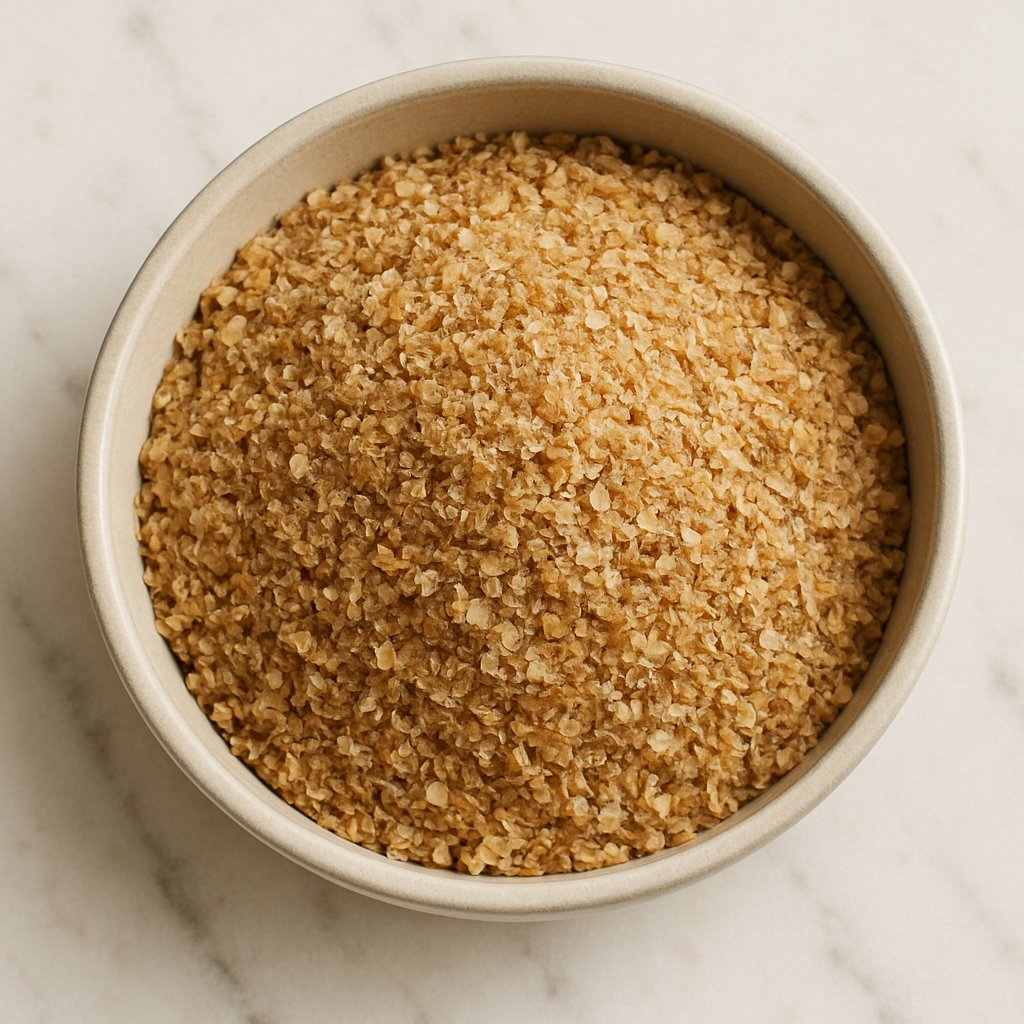
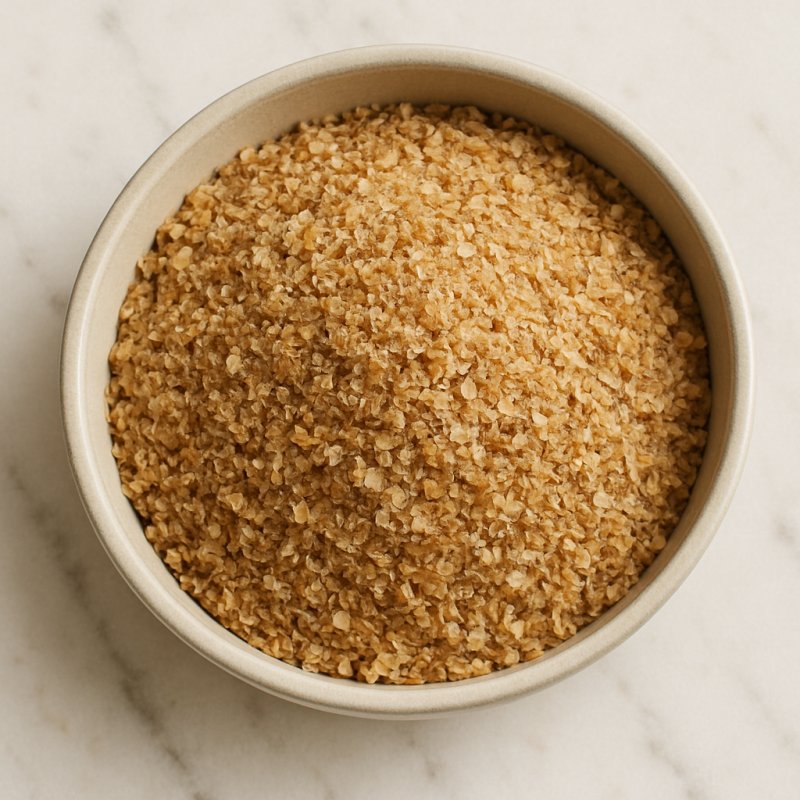
Cracked wheat comes from the grain of the wheat plant. After the ears have grown and ripened, the kernels are harvested. These kernels consist of different parts: the hull (germ), the endosperm (starch-containing part) and the outer layer (also called bran). When the wheat kernel is milled you obtain cracked wheat – these are coarser pieces of the kernel, not as fine as flour. You can think of it like the difference between sugar and coarse sugar: both come from the same plant, but the particle sizes are different.
Wheat grows in many parts of the world. In Europe large growing regions are:
- Central Europe – countries such as Germany, France, Poland and the Netherlands grow a lot of wheat. The climate here with warm summers and sufficient rain is good for the plant.
- Eastern Europe – countries like Russia and Ukraine also have vast areas of wheat fields.
- North America – especially in the central states of the USA and in Canada a lot of wheat is grown.
In supermarkets or at the baker you will find different varieties and versions of cracked wheat. The main differences are how fine or coarse the grits are and whether all parts of the kernel are still present.
- Whole-grain grits: here the whole kernel is milled – endosperm, bran and germ. This is similar to wholemeal bread: it contains many fibers and vitamins. Whole-grain grits are darker and somewhat coarser.
- White grits (also called extraction grits): in this variant parts of the bran have been removed. It is lighter and resembles the lighter flour. It has fewer fibers but a milder taste.
- Coarsely cracked: the pieces are large and crunchy. Good for muesli, bread with bite or as an ingredient when you want texture.
- Finely cracked: almost like very coarse flour. Suitable when you want a finer dough or a softer consistency, for example for certain breads or rolls.
- Split grits: the kernels are split so that you get medium-sized pieces – not too coarse and not too fine. This is a good compromise for many recipes.
There is also organic cracked wheat and conventional grits. Organic wheat is grown without synthetic pesticides and according to specific rules. This matters to people who care about the environment and nature. Conventional wheat can be grown with more modern methods to achieve higher yields.
Availability depends on the season and the country. Because wheat is a staple food, cracked wheat is usually available year-round in supermarkets, health food stores or from the miller. In regions with a lot of wheat cultivation it is often cheaper and available in larger quantities. If you want a special type of grits – for example very coarse or from organic farming – it is worth visiting a health food store, an organic shop or the local miller.
In short: cracked wheat is the coarsely milled form of the wheat kernel. It comes in different degrees of fineness and as whole-grain or extraction variants. It is grown on fields worldwide, especially in Europe, North America and parts of Asia, and is easy to find in most food stores. This way you can choose the appropriate type depending on taste and intended use.