Availability and types of couscous
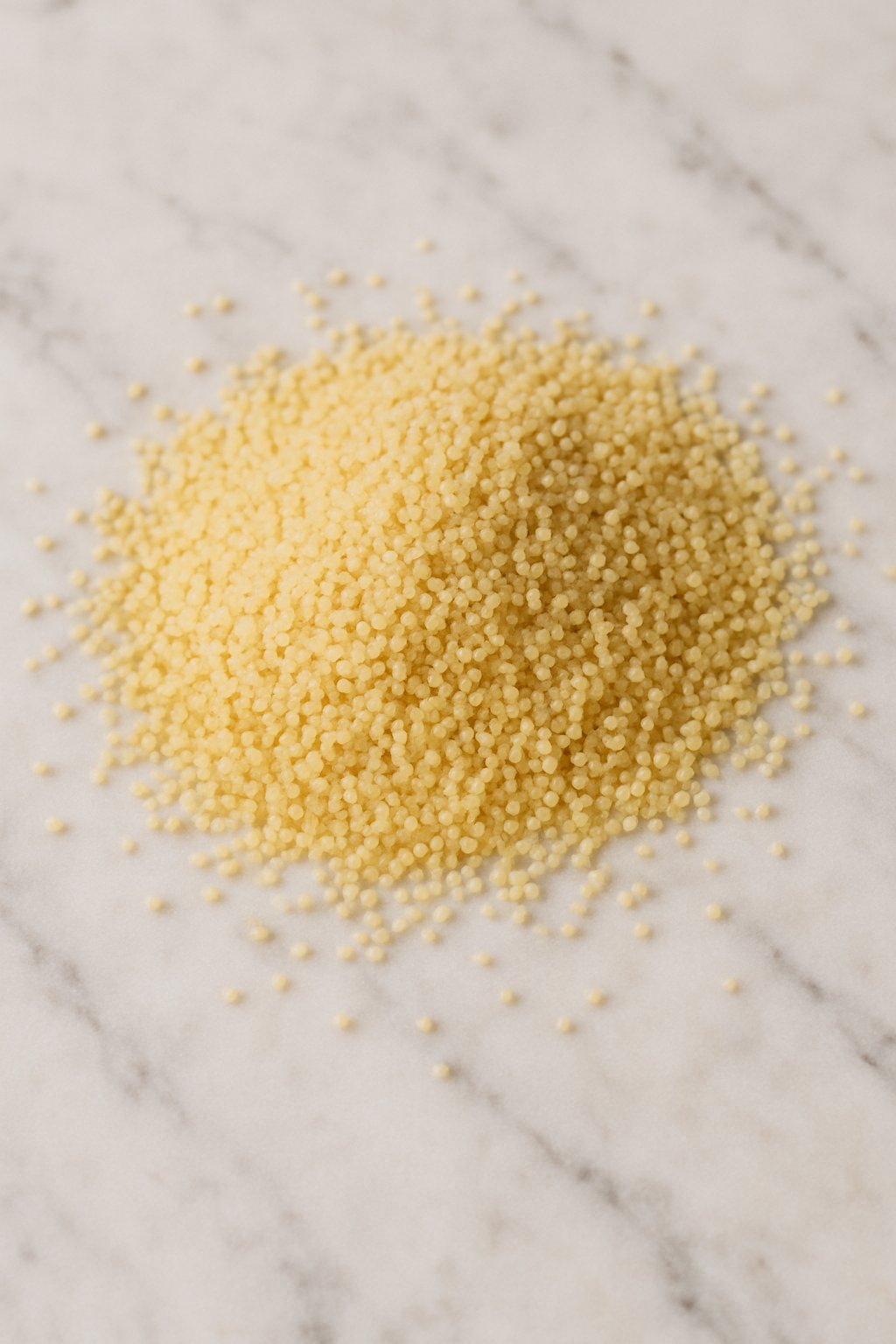
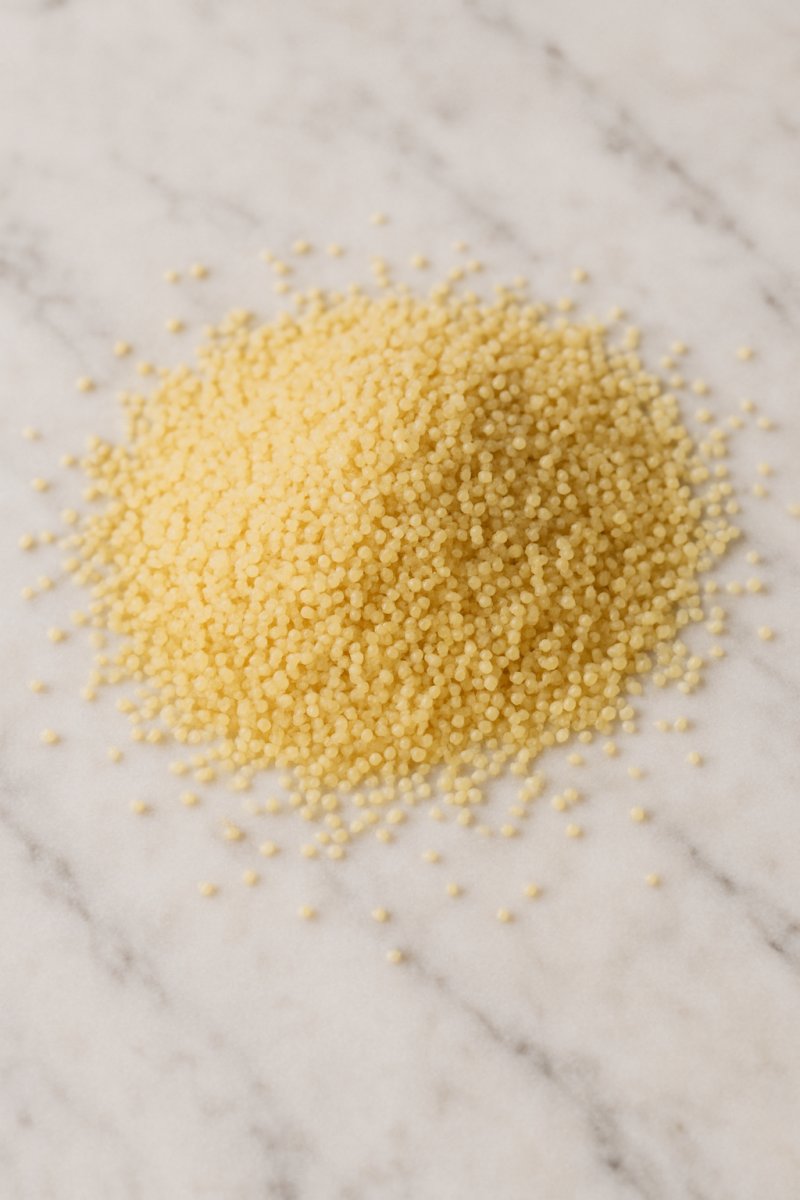
Couscous is a very common ingredient that can be found in many supermarkets, health food stores and weekly markets. Originally from North Africa, especially countries like Morocco, Algeria and Tunisia, it has been eaten there for hundreds of years and is often part of special family meals. You can imagine couscous as small grains of durum semolina – similar to very coarse sand or small pearls made of flour and water.
Where is couscous produced and grown?
Couscous itself is not a field crop that is planted, but is made from cereals. The most important cereal for this is durum wheat. Durum wheat grows mainly in warm regions:
Couscous itself is not a field crop that is planted, but is made from cereals. The most important cereal for this is durum wheat. Durum wheat grows mainly in warm regions:
- North Africa: Countries like Morocco and Algeria are traditional couscous-producing regions.
- Mediterranean region: Durum wheat is also grown in countries such as Italy and Spain.
- Other regions: Durum wheat is also cultivated in parts of North America and in Australia. There the grain is milled and processed into couscous.
What varieties and versions exist?
Couscous comes in different sizes and formats. Here are the main types explained simply:
Couscous comes in different sizes and formats. Here are the main types explained simply:
- Fine couscous: The grains are very small, almost like powder. It needs only a short time to swell and is often used for delicate dishes or as a side. Many families know it as the standard variant.
- Medium couscous: The grains are slightly larger than fine couscous. It holds its shape better during cooking and suits vegetables or meat well.
- Coarse or pearl couscous (also called Israeli couscous): These grains are noticeably larger and look like small pearls or tiny pasta. Sometimes it is also called ptitim. It is often lightly toasted first and has a firmer bite, almost like small pasta beads.
- Whole wheat couscous: Made from whole durum wheat. It contains more fiber and has a slightly nuttier aroma. It is a good choice for people who want to eat healthier or stay full longer.
- Instant or quick couscous: This couscous is prepared so that it loosens very quickly with hot water or broth. It is convenient when time is short.
- Gluten-free alternatives: For people who cannot tolerate gluten, there are variants made from corn, millet or rice. These are not true durum wheat couscous, but they work similarly in cooking.
How to find couscous in the store?
Couscous is usually located near rice, pasta or legumes. The package often states the type (fine, medium, coarse) and whether it is whole wheat or gluten-free. Health food stores often carry organic couscous made from organically grown grains. At markets or specialty shops you can sometimes find handmade couscous or special varieties that are noticeably different from industrial products.
Couscous is usually located near rice, pasta or legumes. The package often states the type (fine, medium, coarse) and whether it is whole wheat or gluten-free. Health food stores often carry organic couscous made from organically grown grains. At markets or specialty shops you can sometimes find handmade couscous or special varieties that are noticeably different from industrial products.
Couscous is therefore versatile: it originates from North Africa, is made from durum wheat, and comes in many sizes and variants – from fine grains to coarse pearls or as whole wheat and gluten-free versions. This allows almost any dish to be prepared appropriately, depending on whether you want it quickly or particularly nutritious.