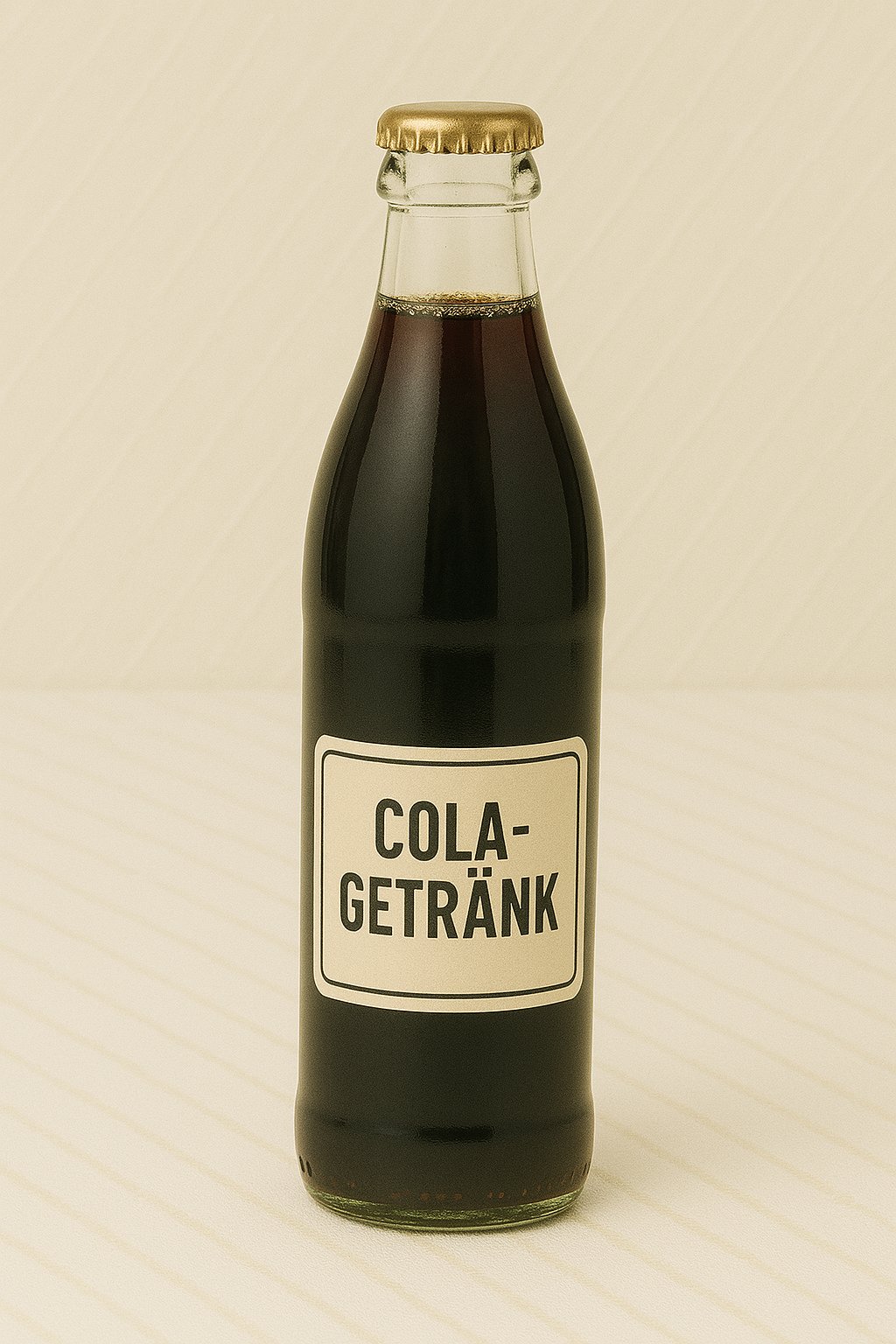
Availability and types of Cola drinks
Origin: The idea behind Cola goes back to the kola nut. This is the fruit of a tree from West Africa. People there used to chew the nut because it gave energy. Later beverage manufacturers used flavor ideas and ingredients from it to make the first Cola. Today the real kola nut is not used everywhere anymore, but the name and the typical taste have remained.
Growing regions: Kola trees grow mainly in West Africa, for example in countries such as Ghana, Nigeria or the Ivory Coast. These trees need warm, humid weather and time to grow — similar to a fruit tree that only bears fruit after several years. But most modern Colas today often contain only artificial flavors instead of the real kola nut, and ingredients like sugar or sweeteners come from many parts of the world.
How and where Cola is available:
- In supermarkets, kiosks and beverage stores – in cans, glass or plastic bottles.
- In restaurants and fast food chains – often from the fountain, which means the drink comes directly from a large carbonated container.
- In vending machines and online – many brands can also be ordered and delivered to your home.
- At markets and from small producers – there are also handmade or regional Colas that taste different from the big brands.
Popular varieties and variants: Cola comes in many versions. Here are the main ones, explained simply:
- Classic / Regular – the normal Cola with sugar and often caffeine. It is sweet and sparkling.
- Light / Diet / Zero – tastes almost the same, but with little or no sugar. Instead of sugar, sweeteners are used. Sweeteners are substances that taste sweet but provide no calories.
- Decaffeinated Cola – for people who do not want the taste or effects of caffeine or who cannot tolerate caffeine.
- Flavored variants – for example Cherry-Cola, Vanilla-Cola or other fruit flavors. Imagine adding some syrup to your glass of Cola – that's the idea behind it.
- Regional and specialty brands – small breweries or companies often make their own recipes with natural ingredients like real herbs or the kola nut.
- Types of sugar – some Colas are sweetened with regular cane sugar, others with corn syrup (a different kind of sugar common in some countries). The difference tastes slightly different, similar to the difference between honey and jam.
Cola drinks are therefore available almost everywhere and come in many variants — from the classic sugared version to sugar-free, decaffeinated or fruity varieties. Children and adults can try together which variety they like best, while paying attention to how often they drink such sweet beverages, because too much sugar or caffeine is not good for the body. Overall the variety is large: brands, recipes and packaging differ by country and personal taste, so everyone can find something suitable.