Menu & categories

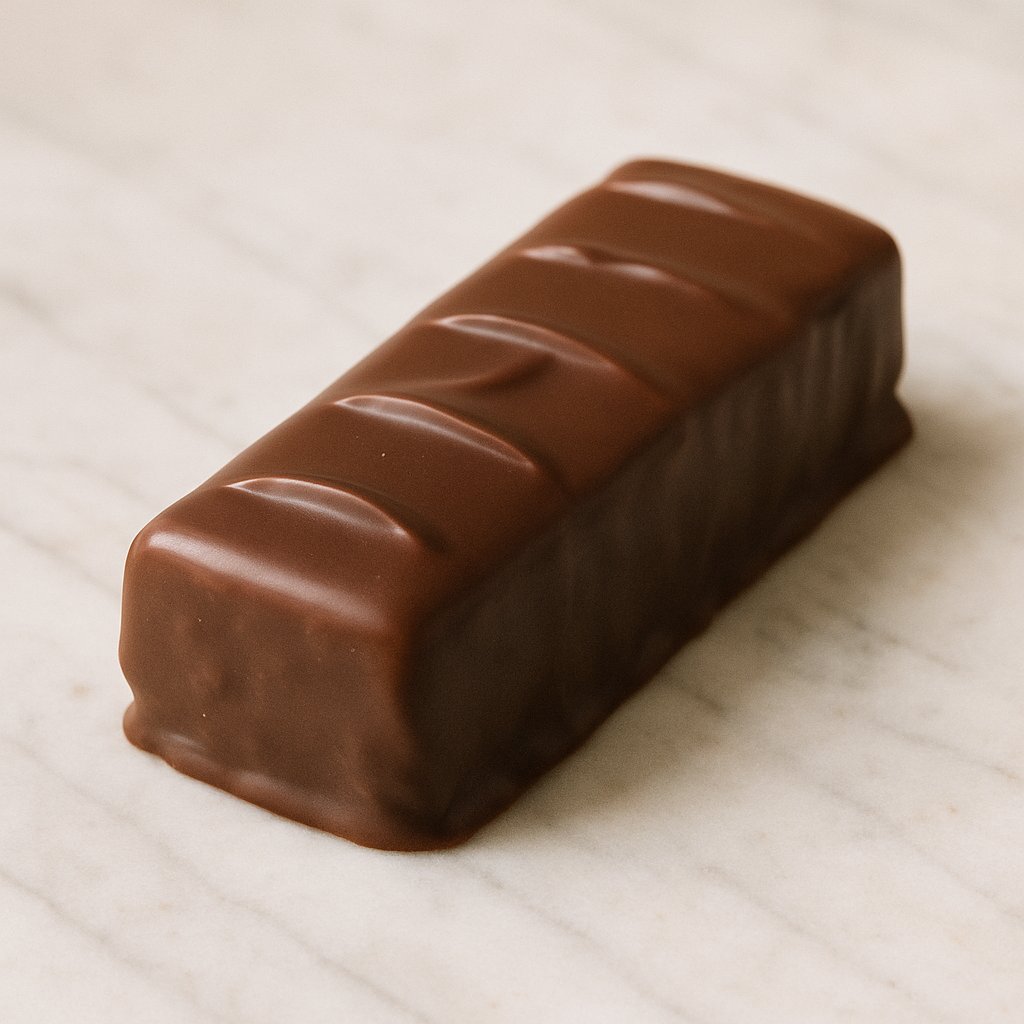
Coconut bar

Sweet chocolate bar with coconut filling

Wiki about coconut bar Nutri-Score E Vegan No Gluten-free No Lactose-free No Nut-free No
NUTRITION / 100 g
485 kcal 4.6 g Protein 57.0 g Kohlenhydrate 26.0 g Fett

Introduction

A halved coconut bar with chocolate coating
I still remember exactly the scent that filled the kitchen when my neighbor pulled her first homemade coconut bars out of the oven: warm, sweet and slightly nutty, with a texture that was at once crisp and moist. Since that day I’ve developed a small passion for this uncomplicated but highly charming ingredient. Coconut bars are for me more than just a snack; they are an experience that evokes memories and instantly creates a holiday feeling.

What fascinates me about coconut bars is their versatility. You only need a few basic ingredients – shredded coconut, sugar or honey, a bit of butter or vegetable oil – and countless variations emerge. I’ve baked them plain, coated them in dark chocolate, sprinkled them with almonds and even tried savory combinations that worked surprisingly well. A colleague of mine was skeptical until I served him a version with sea salt and dark chocolate; his sullen expression turned into a broad grin.

Texture is everything with coconut bars: they should not be too dry, but also not soggy. On my first attempt I made them too "soft" and quickly learned that a little more baking time or the addition of oats can work wonders. The coconut flakes themselves play a big role: finely shredded flakes give a velvety consistency, while coarse pieces provide bite. I love this balance because it demands creativity and is still forgiving.

Coconut bars are perfect for small gifts, coffee visits or as an energy boost on the go. I have transported them in tin boxes, wrapped them in tissue paper and even brought them as a contribution to a picnic; each time they started conversations. Their straightforward preparation also makes them an excellent entry point for anyone wanting to try baked goods with an exotic touch.

  • Basic ingredients: shredded coconut, sweetener, fat
  • Popular variations: chocolate, nuts, citrus notes
  • Serving suggestions: with coffee, as a snack, as a gift
In the end a coconut bar for me is memory and pleasure in one: easy to prepare, adaptable and always a bit sunny in taste. The next time I bake a batch, I think of that first scent in the neighbor's kitchen and look forward to sharing that moment with others.

Availability & types

Availability and types

A coconut bar is a sweet snack that usually consists of shredded coconut, sugar and sometimes chocolate. Although the name suggests coconut, the bar does not come directly from the tree like a coconut. The main ingredient, the coconut, grows on coconut palms that thrive in warm countries around the equator. Typical source regions include countries such as Indonesia, the Philippines, India, Sri Lanka, Brazil and some African coastal countries. You can imagine: where there is plenty of sun, warmth and sometimes some rain, the palms are most comfortable – similar to plants we care for on the balcony in summer.

In supermarkets and small shops you can find coconut bars year-round. They are popular because they have a long shelf life and are convenient as a break-time snack or for on-the-go. Some manufacturers sell them in large supermarkets, others in health-food stores or even online. There are differences: some brands are widely available, others are more local or specific to certain countries. If you are looking for a particular variety, checking the ingredient list or the label often helps so you know what’s inside.

There are many different types and variants of coconut bars. Here are some you commonly find:

  • Simple coconut bar: Usually made from shredded coconut and sugar, sometimes with a syrup to bind the flakes. It tastes intensely of coconut and is often soft or slightly crispy.
  • Chocolate-coated: Frequently the coconut bar is dipped fully or partially in dark, milk or white chocolate. This creates a sweet contrast between the coconut filling and the chocolate.
  • Vegan coconut bar: This variant contains no animal products, so no honey or dairy components. Instead, plant-based sweeteners or fats are often used so the bar holds together and tastes good.
  • Sugar-free or reduced-sugar bars: For people who want to eat less sugar, there are versions made with sweeteners or natural sugar substitutes.
  • With nuts or fruit: Some coconut bars include almonds, cashews, dried fruits like cranberries or pieces of mango. This adds extra textures and flavors.
  • Organic or Fairtrade products: These bars come from certified organic farming or projects where farmers are paid fairly. This matters to people who care about environmental and social standards.
You can think of the different variants like ice cream flavors: the base is similar (coconut), but with different "sprinkles" or "layers" the taste changes. A coconut bar with chocolate is like vanilla ice cream with chocolate sprinkles – familiar, but different in bite. A vegan bar is like choosing a plant-based drink instead of regular milk – the basic feeling remains, but the ingredients are different.

In many countries there are also regional specialties: some bars feature local spices, such as vanilla from Madagascar or coconut with lime from tropical regions, giving them a distinctive flavor. Overall, coconut bars are easy to obtain and come in many forms – for every taste and sometimes for particular dietary needs.
Details & nutrition

Property Value
Unit g
Average weight per piece 28
Calories per 100 485
Protein per 100 4.6
Carbohydrates per 100 57.0
Sugar per 100 48.0
Fat per 100 26.0
Saturated fat per 100 20.0
Monounsaturated fat 3.0
Polyunsaturated fat 1.0
Fiber per 100 3.5
Vitamin C (mg) per 100 0
Vitamin D (IU) per 100 0
Calcium (mg) per 100 80
Iron (mg) per 100 1.5
Nutri-Score E
CO₂ footprint 3.0
Origin International, often produced in Europe using imported coconut
Gluten-free No
Lactose-free No
Nut-free No
Vegan No
Note Values refer to a typical commercially available coconut chocolate bar; exact nutritional values may vary slightly by brand.

Technical & scientific information

Coconut bar denotes a processed food type made primarily from the flesh of the coconut (Cocos nucifera) in a solid or semi-solid form and typically formed into bars or pieces. Coconut bars are produced both as confectionery (for example with sugar or coated in chocolate) and in less sweet versions. The raw material base is usually dried shredded coconut or coconut flesh, which is combined with binders, fats and sweeteners to achieve the desired texture and shelf life.

Chemical composition and ingredients
The flesh of the coconut is rich in lipid components, mainly saturated fatty acids such as lauric acid (C12:0), myristic acid (C14:0) and palmitic acid (C16:0). It also contains small amounts of unsaturated fatty acids, proteins, fiber as well as water-soluble carbohydrates and mineral salts. Processed coconut bars therefore typically exhibit a high fat content (up to 25–60% depending on the formulation), moderate carbohydrate content from added sugar and a low to moderate protein content. Minerals such as potassium, magnesium and iron are present in small amounts, as are fat-soluble vitamins.

Nutritional information (typical order of magnitude)
Per 100 g coconut bars can approximately have the following values: Energy 400–600 kcal, Fat 25–50 g, of which saturated fatty acids 20–40 g, Carbohydrates 35–60 g, of which sugars 25–45 g, Protein 3–8 g, Fiber 5–10 g. Exact values vary greatly with formulation, additives and coatings such as chocolate or icing.

Processing methods
Industrial production includes several steps: drying of the flesh (copra) or use of freshly pressed coconut flesh; grinding or shredding; mixing with ingredients such as sugar, syrup, vegetable fats, emulsifiers and optionally egg- or plant-based binders; forming and pressing into bars; heat treatment (light baking or shock cooling) to set the structure; and final surface treatment (chocolate coating, tempering). Hydration of the coconut material and the fat content are critical for texture and mouthfeel. Emulsifiers such as lecithin improve fat distribution, while sugars or syrups act as plasticizing sweeteners.

Technological challenges
Key formulation issues are preventing fat migration, controlling moisture distribution and stability against microbiological growth. Fat migration can lead to greasy spots in packaging and textural changes. To minimize this, hydrogenated fats, stabilizers or barrier coatings are used. Water activity must be adjusted to minimize spoilage and mold growth without losing the desired chewiness.

Health aspects
Coconut bars are energy-dense foods with a high proportion of saturated fatty acids and often considerable sugar content, so moderate consumption is recommended. Lauric acid has shown specific biological effects in vitro and in some clinical studies, such as antimicrobial properties, but epidemiological data on its impact on cardiovascular risk are heterogeneous. People on specific diets (calorie-restricted, low-fat, diabetic) should watch portion size and sugar/fat content. Coconut allergies are relatively rare but can occur; cross-reactions with other nut allergies are also possible.

Sensory properties and applications
Sensory-wise, coconut bars are characterized by a distinctive, slightly sweet-nutty aroma resulting from volatile ester and lactone compounds. Texture ranges from chewy-soft to dry-crispy, depending on moisture content and the fat matrix. Coconut bars are used as a snack, baking ingredient, decoration or component of breakfast products and are available both as commercial finished products and handcrafted items.

From a nutritional science and technological perspective, coconut bars are an example of the challenge to balance sensory appeal, shelf life and nutritional quality in an energy-dense product. The choice of ingredients and processing steps largely determines the health profile, texture stability and sensory characteristics of the final product.

Wiki entry for: coconut bar
Active now: 11 visitors of which 2 logged-in members in the last 5 minutes