Availability and types
A coconut bar is a sweet snack that usually consists of shredded coconut, sugar and sometimes chocolate. Although the name suggests coconut, the bar does not come directly from the tree like a coconut. The main ingredient, the coconut, grows on coconut palms that thrive in warm countries around the equator. Typical source regions include countries such as Indonesia, the Philippines, India, Sri Lanka, Brazil and some African coastal countries. You can imagine: where there is plenty of sun, warmth and sometimes some rain, the palms are most comfortable – similar to plants we care for on the balcony in summer.
In supermarkets and small shops you can find coconut bars year-round. They are popular because they have a long shelf life and are convenient as a break-time snack or for on-the-go. Some manufacturers sell them in large supermarkets, others in health-food stores or even online. There are differences: some brands are widely available, others are more local or specific to certain countries. If you are looking for a particular variety, checking the ingredient list or the label often helps so you know what’s inside.
There are many different types and variants of coconut bars. Here are some you commonly find:
- Simple coconut bar: Usually made from shredded coconut and sugar, sometimes with a syrup to bind the flakes. It tastes intensely of coconut and is often soft or slightly crispy.
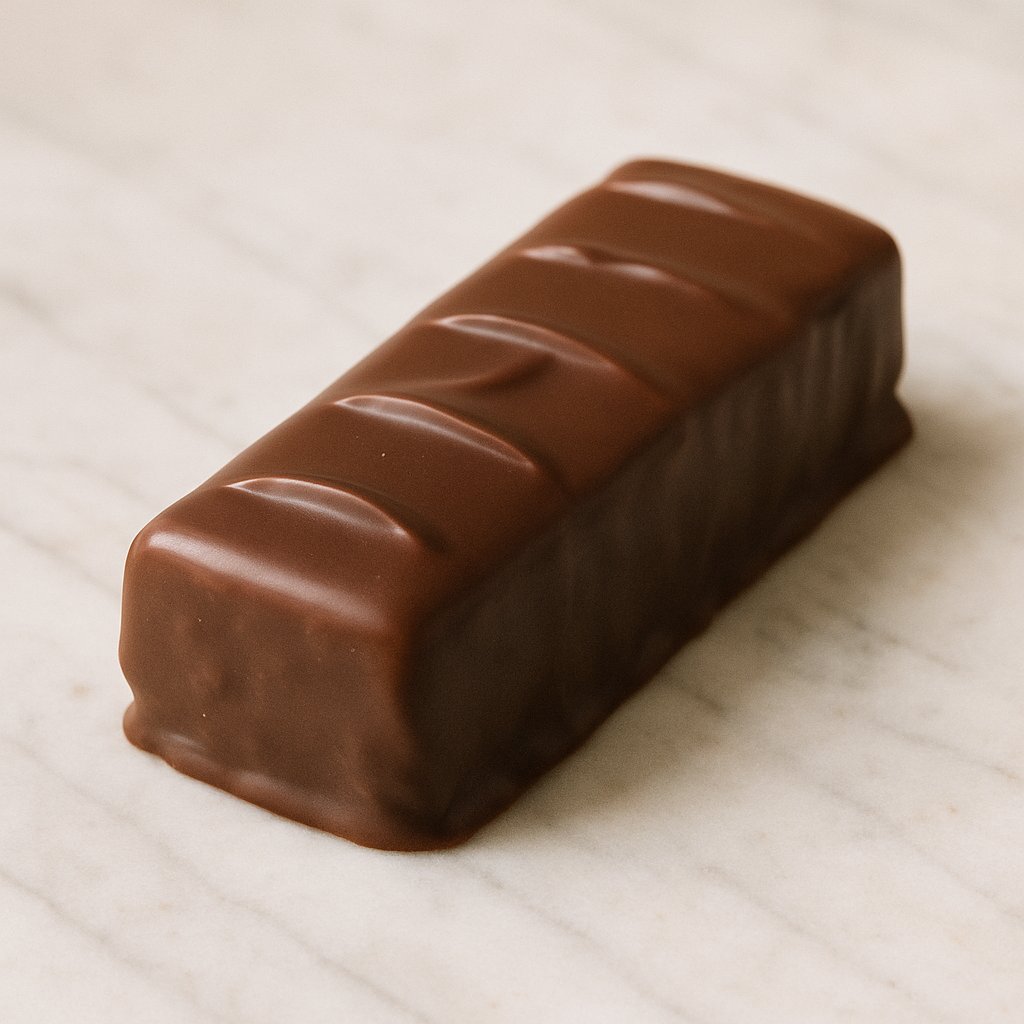
- Chocolate-coated: Frequently the coconut bar is dipped fully or partially in dark, milk or white chocolate. This creates a sweet contrast between the coconut filling and the chocolate.
- Vegan coconut bar: This variant contains no animal products, so no honey or dairy components. Instead, plant-based sweeteners or fats are often used so the bar holds together and tastes good.
- Sugar-free or reduced-sugar bars: For people who want to eat less sugar, there are versions made with sweeteners or natural sugar substitutes.
- With nuts or fruit: Some coconut bars include almonds, cashews, dried fruits like cranberries or pieces of mango. This adds extra textures and flavors.
- Organic or Fairtrade products: These bars come from certified organic farming or projects where farmers are paid fairly. This matters to people who care about environmental and social standards.
You can think of the different variants like ice cream flavors: the base is similar (coconut), but with different "sprinkles" or "layers" the taste changes. A coconut bar with chocolate is like vanilla ice cream with chocolate sprinkles – familiar, but different in bite. A vegan bar is like choosing a plant-based drink instead of regular milk – the basic feeling remains, but the ingredients are different.
In many countries there are also regional specialties: some bars feature local spices, such as vanilla from Madagascar or coconut with lime from tropical regions, giving them a distinctive flavor. Overall, coconut bars are easy to obtain and come in many forms – for every taste and sometimes for particular dietary needs.