Menu & categories

Clove powder

Aromatic, intensely flavoring powder made from dried clove buds

Wiki about clove powder Nutri-Score B Vegan Yes Gluten-free Yes Lactose-free Yes Nut-free Yes
NUTRITION / 100 g
274 kcal 6 g Protein 65 g Kohlenhydrate 13 g Fett

Introduction

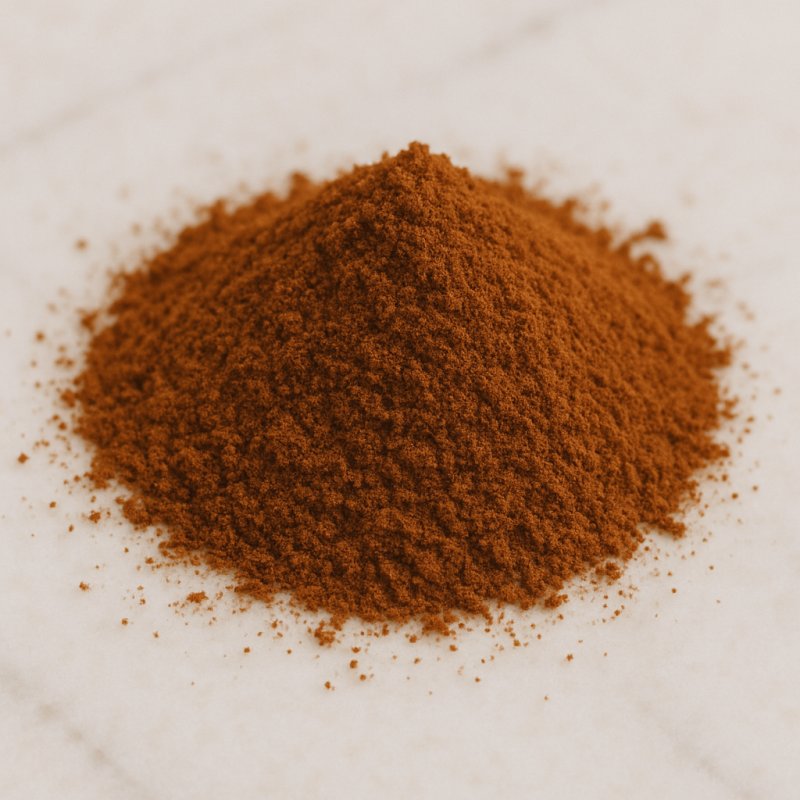
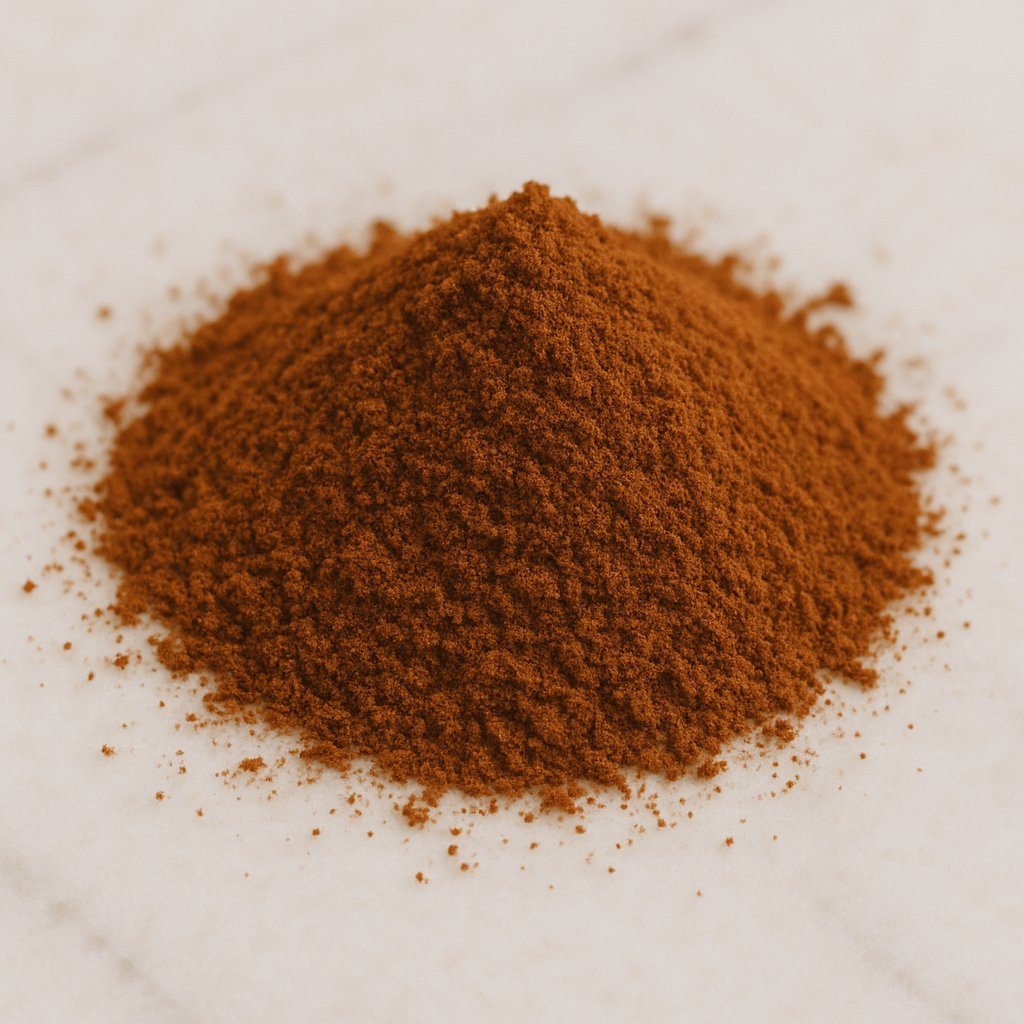
Brown clove powder in a small bowl with clove buds beside it
I still clearly remember the first scent of clove powder that wafted at me from the kitchen: warm, sharp and somehow homely, as if someone were baking cookies and stories at the same time. For me clove powder is not just a spice on the shelf, but a small aroma dispenser that evokes memories and transforms dishes in an instant. A colleague once brought a jar to the office and solemnly declared it his secret weapon against boring stews – after that everyone wanted the recipe.

Clove powder is made from dried, ground flower buds of the clove tree. I like to imagine artisans in distant countries gathering the buds before they are dried and processed into an intense powder. In my kitchen I use it sparingly: a hint is often enough because clove powder is very concentrated. It brings a warm, slightly sweet-bitter note that pairs especially well with hearty braised dishes, marinades and dark sauces. At the same time it harmonizes with sweet components, for example in gingerbread, compotes or warm apple jam.

When I experiment, I like to combine clove powder with cinnamon, nutmeg and allspice – this spice combination has a wonderful depth. Sometimes I mix a pinch into my morning pot roast or add it to curries, where it provides a subtle seasoning without dominating. I have also learned that clove powder works excellently in small amounts in drinks; a touch in hot chocolate or chai immediately gives a cozy heft.

A practical tip I received from a friend: store clove powder in a dark, airtight jar so the aroma stays longer. Fresh spices make a big difference, and I'm always surprised how much stronger a freshly opened jar smells. I also make a point of adding it near the end of cooking when I want to control the nuance, rather than overwhelming the whole meal.

Clove powder is for me more than just a spice — it is a little journey into distant kitchens and cozy winter days at once. It gives dishes character, can create contrasts and connects sweet and savory worlds in an amazingly harmonious way. Every time I open the jar I smile a little and wonder which dish today will benefit from this strong, aromatic companion.

Availability & types

Availability and types of clove powder

Clove powder is the fine spice that results when dried cloves – the buds of an evergreen tree – are ground to a powder. The origin of these cloves is important, because depending on where they grow they can smell and taste slightly different. The best-known growing regions are in warm, tropical countries. Especially famous are:

  • Indonesia: Above all the Moluccas (also called the Spice Islands) are a classic home of cloves. There the trees have been growing for a very long time and the cloves are considered very aromatic.
  • Sri Lanka: Many cloves are also cultivated on this island. The plants enjoy the warm, humid climate.
  • Madagascar: There are clove plantations here as well. Madagascar is known for many strongly scented spices.
  • India and some African countries: In these regions cloves are also grown when the climate is suitable.
When you buy clove powder you will find different grades and variants. This is because cloves come from the same species but can differ in quality, processing and packaging. The main distinctions are:

  • Whole vs. ground: Cloves are available as whole dried buds and as a fine powder. Whole cloves retain their aroma longer because the essential oils are protected. Ground clove powder is convenient because you can add it directly to food, but it loses scent faster if left open too long.
  • Fineness of the powder: Sometimes the powder is very finely ground and feels almost like dust. Other varieties are coarser. Finely ground powder dissolves better in liquids and distributes flavor more evenly.
  • Organic vs. conventional: Organic clove powder comes from organic farming, meaning no synthetic pesticides are used. Conventional goods can be cheaper, but organic products appeal to many who prefer natural foods.
  • Blends: In some spice aisles you will find clove powder as part of a blend – for example for gingerbread spice mixes or garam masala. These blends contain other spices that together create a specific flavor.
Packaging and retail also play a role in availability. Clove powder can be found in supermarkets, delicatessens, farmers' markets and online. When buying pay attention to:

  • Package size: Small jars are good if you use cloves rarely. Large packages are practical for a lot of cooking, but the aroma can weaken over time.
  • Freshness date: Many manufacturers provide a best-before date. Fresher powder smells stronger and tastes better.
  • Light- and air-tight containers: Clove powder keeps best in a dark, tight jar or tin. This helps preserve the aroma longer.
In summary: clove powder usually comes from warm, tropical countries such as Indonesia, Sri Lanka or Madagascar. It is available whole or ground, in different levels of fineness, as organic or conventional produce and often in spice blends. If you value strong flavor, choose freshly ground, finely milled cloves or buy whole cloves and grind them yourself as needed. That way you can enjoy the intense aroma and taste of this special spice for a long time.
Details & nutrition

Property Value
Unit g
Calories per 100 274
Protein per 100 6
Carbohydrates per 100 65
Sugar per 100 2.4
Fat per 100 13
Saturated fat per 100 3.9
Monounsaturated fat 2.3
Polyunsaturated fat 4.1
Fiber per 100 34
Vitamin C (mg) per 100 80
Vitamin D (IU) per 100 0
Calcium (mg) per 100 640
Iron (mg) per 100 11.8
Nutri-Score B
CO₂ footprint 2.5
Origin Tropical and subtropical growing regions, especially Madagascar, Indonesia and Zanzibar
Gluten-free Yes
Lactose-free Yes
Nut-free Yes
Vegan Yes
Note Clove powder is very aromatic, should be used sparingly, and is mainly used in Christmas pastries, mulled wine, curries and marinades.

Technical & scientific information

Clove powder is a finely ground spice obtained from the dried flower buds of the clove tree (Syzygium aromaticum). It is characterized by an intense, warm-spicy aroma and a sharp, slightly bitter taste and is used in cooking, traditional medicine and food processing as a flavoring and spice. The color ranges from light to dark brown, depending on the fineness of the grind and the content of essential oil in the source buds.

Chemical composition and constituents
The characteristic aroma and pharmacological effects of clove powder are largely due to the high content of essential oil, which can make up to 15–20% of the dry matter. The dominant main component of this oil is eugenol (typically 70–90% of the oil), a phenolic alkyl compound responsible for the aromatic and antiseptic properties. Other constituents include β-caryophyllene, acetate esters (such as eugenyl acetate), vanillin and smaller amounts of monoterpenes and sesquiterpenes. Cloves also contain tannins, flavonoids, phenolic acids, minerals (for example potassium, calcium, magnesium) and small amounts of vitamins.

Nutritional values
As a spice, clove powder is used in small quantities; nevertheless it has a dense nutrient concentration. Per 100 g of dried clove powder there are roughly 270–350 kcal, a high proportion of carbohydrates (mainly fiber), moderate amounts of protein and very low fat content, part of which is bound in the essential oil. Minerals such as manganese are comparatively abundant. For everyday nutrition, however, the amounts typically used are negligible.

Production and processing methods
Clove powder is produced by drying freshly harvested flower buds, followed by crushing and grinding. Quality depends on harvest timing, drying method (sun drying versus gentle hot-air drying), storage conditions and milling technology. Gentle, temperature-controlled drying preserves more aroma because overly high temperatures can volatilize or chemically alter the essential oil. After grinding the powder should be stored protected from light and air to minimize oxidation and aroma loss. For commercial applications microbiological tests, moisture controls and residue analyses are often performed.

Health aspects and efficacy
Eugenol has documented pharmacological properties: antibacterial, fungicidal, anti-inflammatory and analgesic effects have been shown in vitro and in animal studies. In dentistry eugenol has long been used locally as an analgesic and disinfectant. Oral intake of clove powder in culinary amounts is considered safe for most people. Higher doses or highly concentrated essential oils, however, can be toxic, causing mucous membrane irritation, nausea or liver damage. People with liver disease, pregnant women and young children should avoid larger amounts. Sensitive individuals may also experience allergic reactions.

Safety and quality aspects
Purity of the powder is important; contamination by molds (mycotoxins) or microbial infestation must be avoided, so drying, storage and hygiene controls are crucial. Industrial quality tests analyze eugenol content, moisture, sieve residues, microbiology and possible pesticide residues. For therapeutic uses standardized extracts are preferred because they provide defined concentrations of active compounds.

Applications
Clove powder is used in the kitchen as a component of spice blends, baked goods, marinades and beverages. In the food industry it serves as a flavor and aroma agent. In phytotherapy and aromatherapy cloves and their oil are used for digestive complaints, for local pain relief and as an antiseptic. Scientific studies continue to investigate antimicrobial and anti-inflammatory potentials as well as possible synergistic effects with other plant-derived substances.

In summary, clove powder is an aromatic, chemically well-characterized spice with a high eugenol content that possesses culinary, preservative and potentially therapeutic properties. Safe and effective use requires thoughtful dosing, quality control and attention to possible side effects with increased consumption.

Wiki entry for: clove powder
Active now: 17 visitors of which 2 logged-in members in the last 5 minutes