Menu & categories

Apple cider

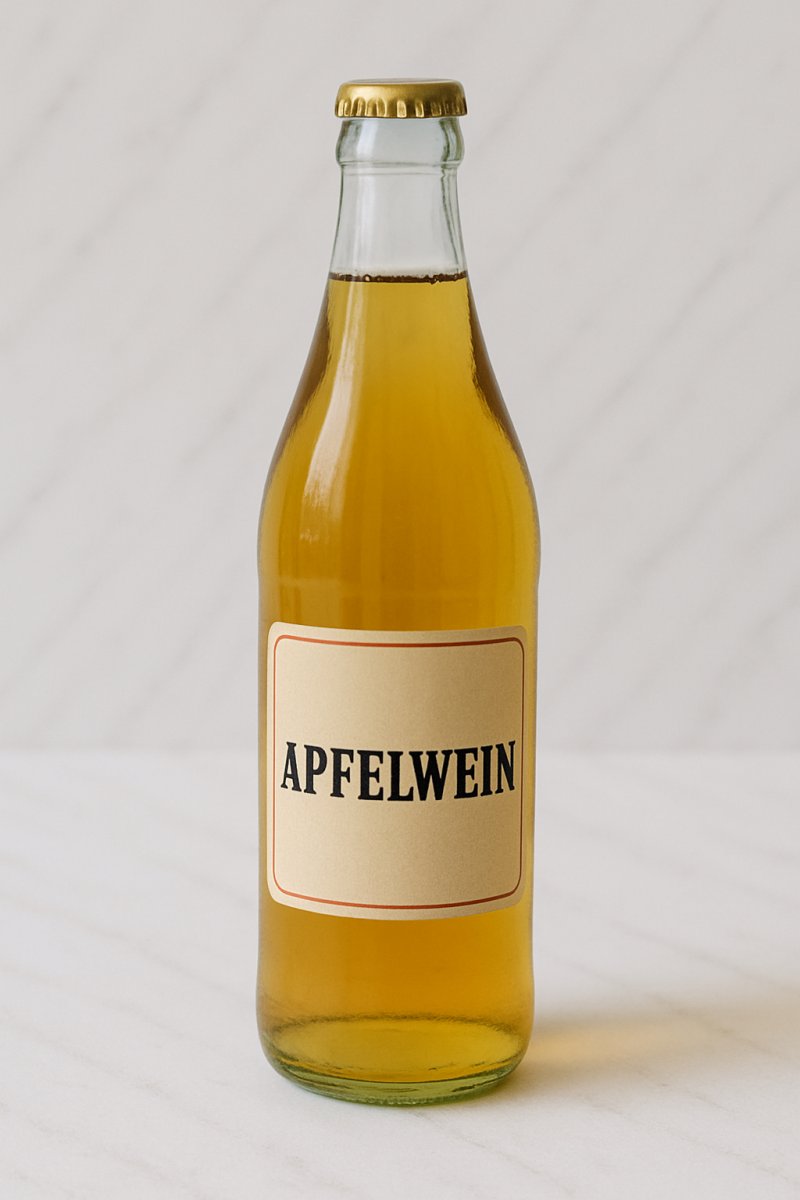
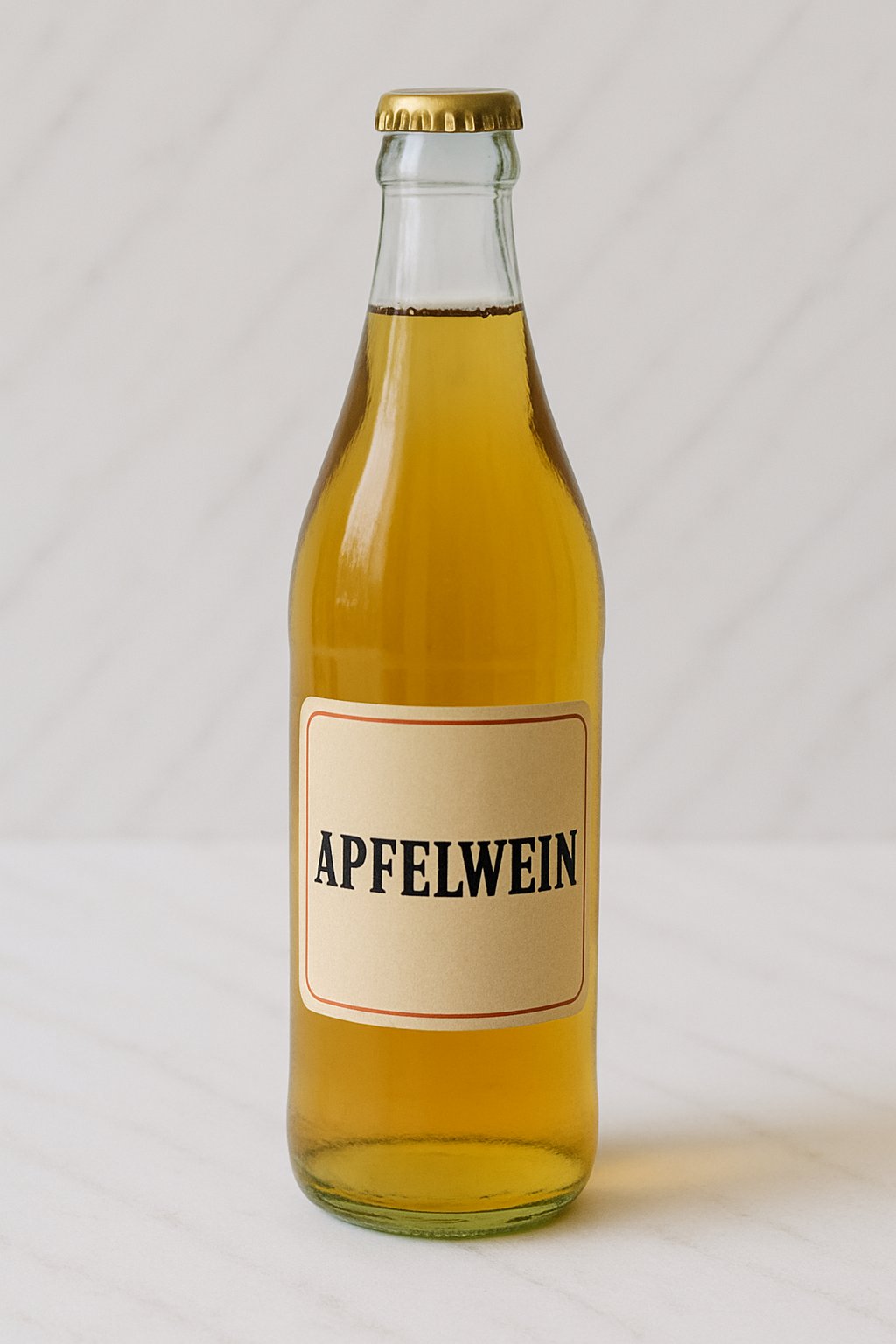
Refreshing, lightly alcoholic apple cider made from fermented apple juice.

Wiki about cider Nutri-Score D Vegan Yes Gluten-free Yes Lactose-free Yes Nut-free Yes
NUTRITION / 100 ml
50 kcal 0.1 g Protein 5.0 g Kohlenhydrate 0.0 g Fett

Introduction

Glass of apple cider with apples
I love cider because it is an art form in a glass: it is fresh, lightly tart and sometimes surprisingly complex. I still remember the first sip when I thought it was simply apple juice with an extra kick. A colleague of mine then explained with a smile that cider can vary as much as loaves of bread in a bakery, and he was right.

Cider is produced by fermenting apple juice and ranges in taste from fizzy and sweet to dry and almost tannic. In many regions it is called Cidre or Cider, but where I first discovered it consciously, people simply called it Apfelwein. The production method is astonishingly simple and at the same time full of nuances: the choice of apple varieties, the duration of fermentation and the aging significantly influence the result.

What I particularly appreciate about cider is its versatility. It pairs well with rustic dishes, fatty roast pork and delicate goat cheese alike. Once I tried at a small market how well a glass of it went with freshly baked pretzels; it was a revelation. Especially notable are:

  • Tasting notes: green apple, citrus, floral accents, light acidity.
  • Serving temperature: well chilled at about 8–12 °C.
  • Serving styles: still, lightly sparkling or lively.
At small tastings with friends I learned to pay attention to nuances: a hint of oak can indicate barrel aging, while a fruity sweetness often suggests an earlier stoppage of fermentation. Once someone brought a homemade bottle that bubbled so lively everyone was surprised. Moments like that make cider for me more than a drink; it is an occasion for stories and encounters.

Today, when I choose a cider, I pay attention to origin, apple varieties and whether it was made artisanally. It is an uncomplicated companion for food and conversations and a gateway to regional tradition. A glass of cider is always a small celebration to me, leaving you wanting more.

Availability & types


Availability and types

Origin
Cider is a beverage made from fermented apple juice. It originally comes from regions where many apple trees grow. In Germany cider is particularly known from Hesse (especially around Frankfurt), but it is also produced in Rhineland-Palatinate and Baden-Württemberg. Other countries with a long cider tradition are England (e.g. Somerset), France (Normandy and Brittany), Spain (Asturias) and parts of the USA such as New England or the Northwest. You can think of it this way: wherever there are many fruit trees and a good harvest, people have long tried to preserve and enhance the juice – that is how cider developed.

Growing regions
Apple trees grow best in regions with sufficient rain, sun and good soils. Some areas are famous because many different apple varieties are grown there. In Germany you find large orchards in Hesse, but also smaller traditional orchards in rural areas. Traditional orchards are areas with many old apple trees – they look a bit like parks and often provide particularly aromatic fruit for cider. On the Brittany peninsula or in Normandy the soils are somewhat wetter, which is why a fresh, often slightly tart cider is produced there.

Available varieties and styles
Cider exists in many variants. Here are the main ones, simply explained:

  • Dry – not very sweet, often a bit more austere. You can compare it to dry bread: it has more bite.
  • Semi-dry – a middle way, not too sweet and not too sour. Like an apple that is perfectly ripe.
  • Sweet – noticeably sweeter, more reminiscent of flavored apple juice.
  • Still – without bubbles, calm like juice.
  • Foaming or sparkling – with bubbles, similar to lemonade or sparkling wine. This is often called "cider" in English.
  • Artisanal or farmhouse cider – produced on farms, often with many apple varieties and a somewhat rougher, natural taste.
  • Industrial cider – made in larger factories, tastes consistent and is widely available.
  • Alcohol-free – this is simply apple juice or a de-alcoholized cider, suitable for children and drivers.
  • Spiced or flavored variants – with cinnamon, vanilla or herbs, particularly popular in the cold season.
It is also important: different apple varieties give different aromas. Some apples are sweet, others sour or slightly bitter. Cider makers often blend many varieties to achieve a balanced taste – like combining different spices in cooking.

Where can you buy cider?
Cider is available in supermarkets, at beverage retailers, at weekly markets, in farm shops and online. In regions with tradition there are also cider pubs or mills where you can taste and buy fresh cider directly from the producer. Seasonal fresh products are especially good after the harvest in autumn, but bottled varieties are available year-round today.

In short: cider is versatile, from still to sparkling, from sweet to dry, and can be found both as a homemade specialty and as an everyday beverage in stores. Trying different varieties quickly reveals your favorite style.
Details & nutrition

Property Value
Unit ml
Average weight per piece 200
Calories per 100 50
Protein per 100 0.1
Carbohydrates per 100 5.0
Sugar per 100 4.5
Fat per 100 0.0
Saturated fat per 100 0.0
Monounsaturated fat 0.0
Polyunsaturated fat 0.0
Fiber per 100 0.0
Vitamin C (mg) per 100 0.2
Vitamin D (IU) per 100 0
Calcium (mg) per 100 4
Iron (mg) per 100 0.05
Nutri-Score D
CO₂ footprint 0.03 kg CO2e/100 ml
Origin Germany/Europe (depending on producer)
Gluten-free Yes
Lactose-free Yes
Nut-free Yes
Vegan Yes
Note Nutritional values may vary depending on the sweetness level, carbonation and alcohol content of the apple cider.

Technical & scientific information

Apple cider (commonly referred to as "cider" in English-speaking regions) is an alcoholic beverage produced by alcoholic fermentation of apple juice. Traditionally, in Central Europe cider typically contains about 4 to 7% v/v ethanol, while flavor, sweetness and carbonation level can vary greatly by region. The quality of the raw materials, i.e. the apple varieties used, substantially affects the chemical composition, aromas and stability of the final product.

Chemical composition and constituents: Cider consists predominantly of water. Key dissolved constituents are:

  • Fermentable sugars: primarily fructose and glucose, partly sucrose; concentrations in the must typically range from 8–14 °Brix (corresponding to potential alcohol content).
  • Organic acids: malic acid predominates, along with citric acid and small amounts of malic acid derivatives; total acidity often lies in the range 3–8 g/L (expressed as malic acid or equivalent), pH usually ranges between 3.2 and 4.0.
  • Phenolic compounds: polyphenols such as chlorogenic acid, epicatechin and procyanidins contribute to bitterness, astringency and antioxidant properties.
  • Volatile aroma compounds: esters (e.g. ethyl acetate), higher alcohols and terpenes shape the bouquet; their formation depends on yeast strain and fermentation conditions.
  • Nutrients: traces of vitamins (notably reduced amounts of vitamin C), minerals such as potassium and small amounts of proteins and pectin.
Processing methods: After harvest apples are crushed and pressed. The clear must can be clarified and chemically analyzed before alcoholic fermentation is started with selected yeast strains (mostly Saccharomyces cerevisiae or S. bayanus). Alternatively, spontaneous fermentations with indigenous yeasts and bacteria are practiced. Important technical parameters include fermentation temperature (conservatively 10–20 °C), oxygen supply at the start of fermentation and, if necessary, addition of sulfites to inhibit undesired microorganisms.

Fermentation and secondary fermentation processes: During fermentation yeasts convert sugars into ethanol and carbon dioxide; by-products such as higher alcohols and esters are also formed. Some ciders undergo malolactic fermentation, where lactic acid bacteria decarboxylate malic acid to milder lactic acid, altering the acidity profile. Technical measures such as cold treatment, filtration, fine and coarse clarification and, where applicable, pasteurization or microfiltration are used to stabilize and extend shelf life.

Sensorics and influencing factors: Flavor and aroma depend on the blend of varieties, ripeness, pressing method and chosen yeast. Phenolic components control astringency, while esters and terpenes provide fruitiness. Oxidation can lead to browning and loss of fresh aromas; antioxidant protection measures are therefore common.

Health aspects and safety: Cider provides calories mainly from alcohol and residual sugars; a dry cider typically contains 35–50 kcal per 100 ml, depending on alcohol and residual sugar content. Polyphenols may have antioxidant effects, however with regular consumption the health risks from alcohol predominate. Microbiological risks include faulty fermentations and vinegar spoilage by Acetobacter; chemically relevant issues include monitoring mycotoxins such as patulin in the raw fruit. Sulfites are often used as preservatives and must be labeled, since sulfite intolerances occur.

Overall, cider is a versatile product whose technical quality depends on raw material selection, microbial control and process decisions. The balance between acidity, residual sugar, phenolics and aromas determines style and shelf life, while modern production techniques ensure stability and food safety.

Wiki entry for: cider
Active now: 12 visitors of which 2 logged-in members in the last 5 minutes