Availability and types
Origin
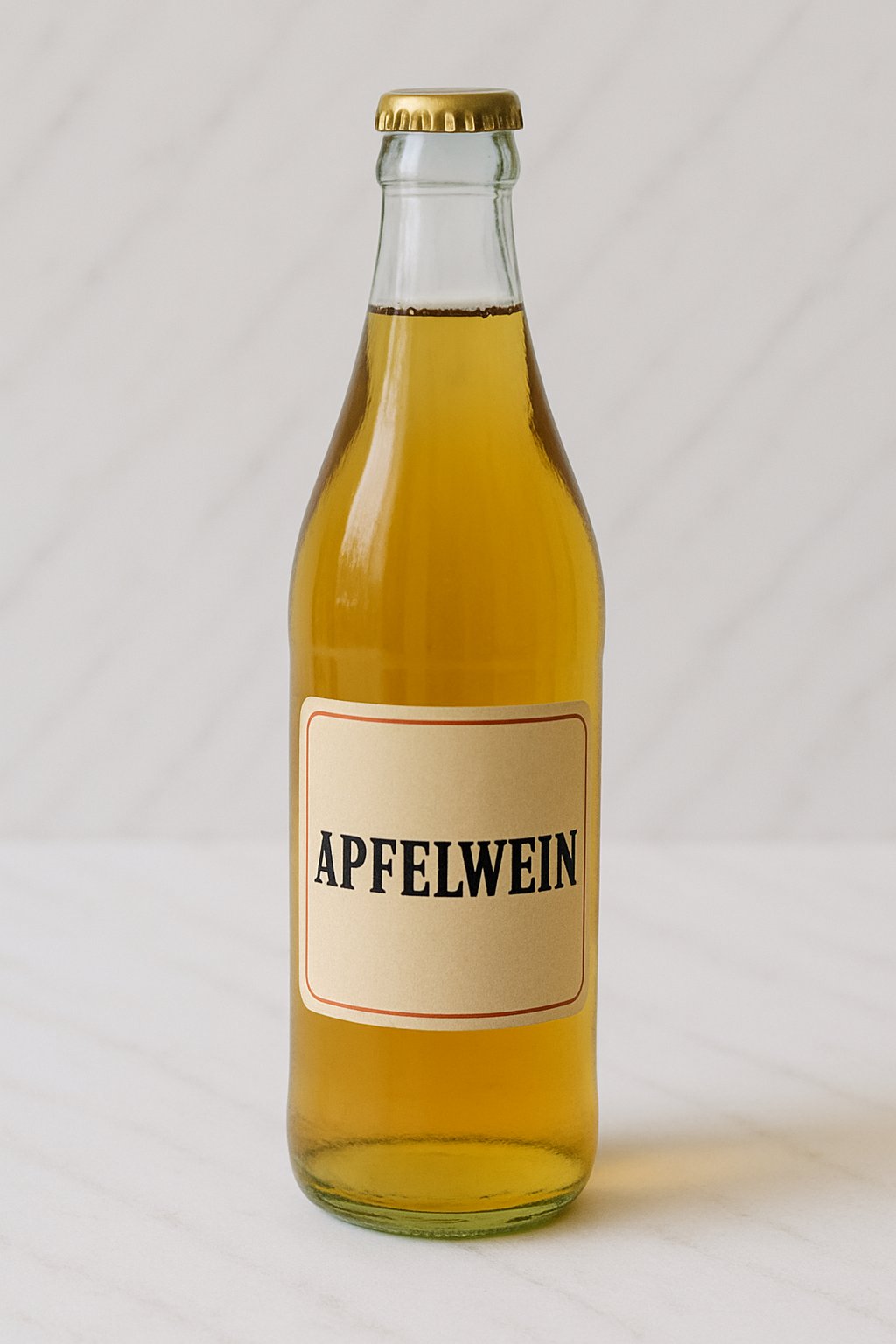
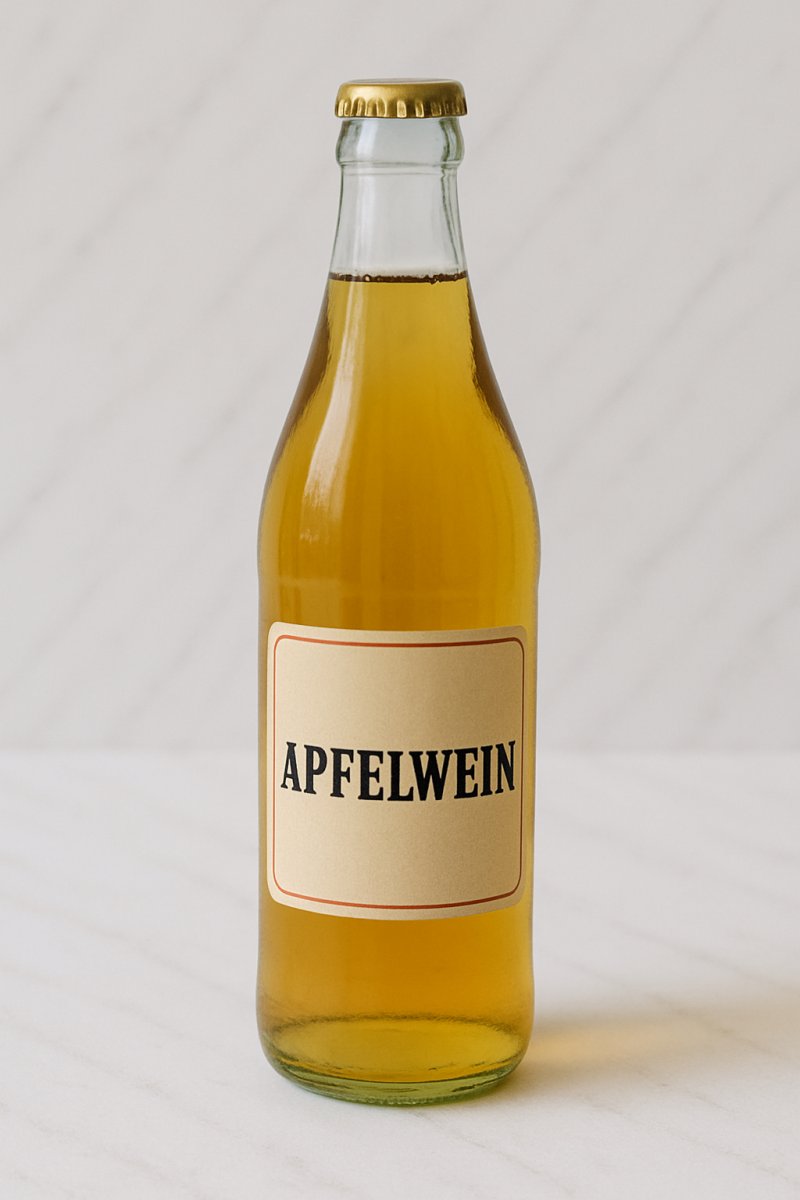
Cider is a beverage made from fermented apple juice. It originally comes from regions where many apple trees grow. In Germany cider is particularly known from Hesse (especially around Frankfurt), but it is also produced in Rhineland-Palatinate and Baden-Württemberg. Other countries with a long cider tradition are England (e.g. Somerset), France (Normandy and Brittany), Spain (Asturias) and parts of the USA such as New England or the Northwest. You can think of it this way: wherever there are many fruit trees and a good harvest, people have long tried to preserve and enhance the juice – that is how cider developed.
Growing regions
Apple trees grow best in regions with sufficient rain, sun and good soils. Some areas are famous because many different apple varieties are grown there. In Germany you find large orchards in Hesse, but also smaller traditional orchards in rural areas. Traditional orchards are areas with many old apple trees – they look a bit like parks and often provide particularly aromatic fruit for cider. On the Brittany peninsula or in Normandy the soils are somewhat wetter, which is why a fresh, often slightly tart cider is produced there.
Available varieties and styles
Cider exists in many variants. Here are the main ones, simply explained:
- Dry – not very sweet, often a bit more austere. You can compare it to dry bread: it has more bite.
- Semi-dry – a middle way, not too sweet and not too sour. Like an apple that is perfectly ripe.
- Sweet – noticeably sweeter, more reminiscent of flavored apple juice.
- Still – without bubbles, calm like juice.
- Foaming or sparkling – with bubbles, similar to lemonade or sparkling wine. This is often called "cider" in English.
- Artisanal or farmhouse cider – produced on farms, often with many apple varieties and a somewhat rougher, natural taste.
- Industrial cider – made in larger factories, tastes consistent and is widely available.
- Alcohol-free – this is simply apple juice or a de-alcoholized cider, suitable for children and drivers.
- Spiced or flavored variants – with cinnamon, vanilla or herbs, particularly popular in the cold season.
It is also important: different apple varieties give different aromas. Some apples are sweet, others sour or slightly bitter. Cider makers often blend many varieties to achieve a balanced taste – like combining different spices in cooking.
Where can you buy cider?
Cider is available in supermarkets, at beverage retailers, at weekly markets, in farm shops and online. In regions with tradition there are also cider pubs or mills where you can taste and buy fresh cider directly from the producer. Seasonal fresh products are especially good after the harvest in autumn, but bottled varieties are available year-round today.
Cider is available in supermarkets, at beverage retailers, at weekly markets, in farm shops and online. In regions with tradition there are also cider pubs or mills where you can taste and buy fresh cider directly from the producer. Seasonal fresh products are especially good after the harvest in autumn, but bottled varieties are available year-round today.
In short: cider is versatile, from still to sparkling, from sweet to dry, and can be found both as a homemade specialty and as an everyday beverage in stores. Trying different varieties quickly reveals your favorite style.