Availability and types
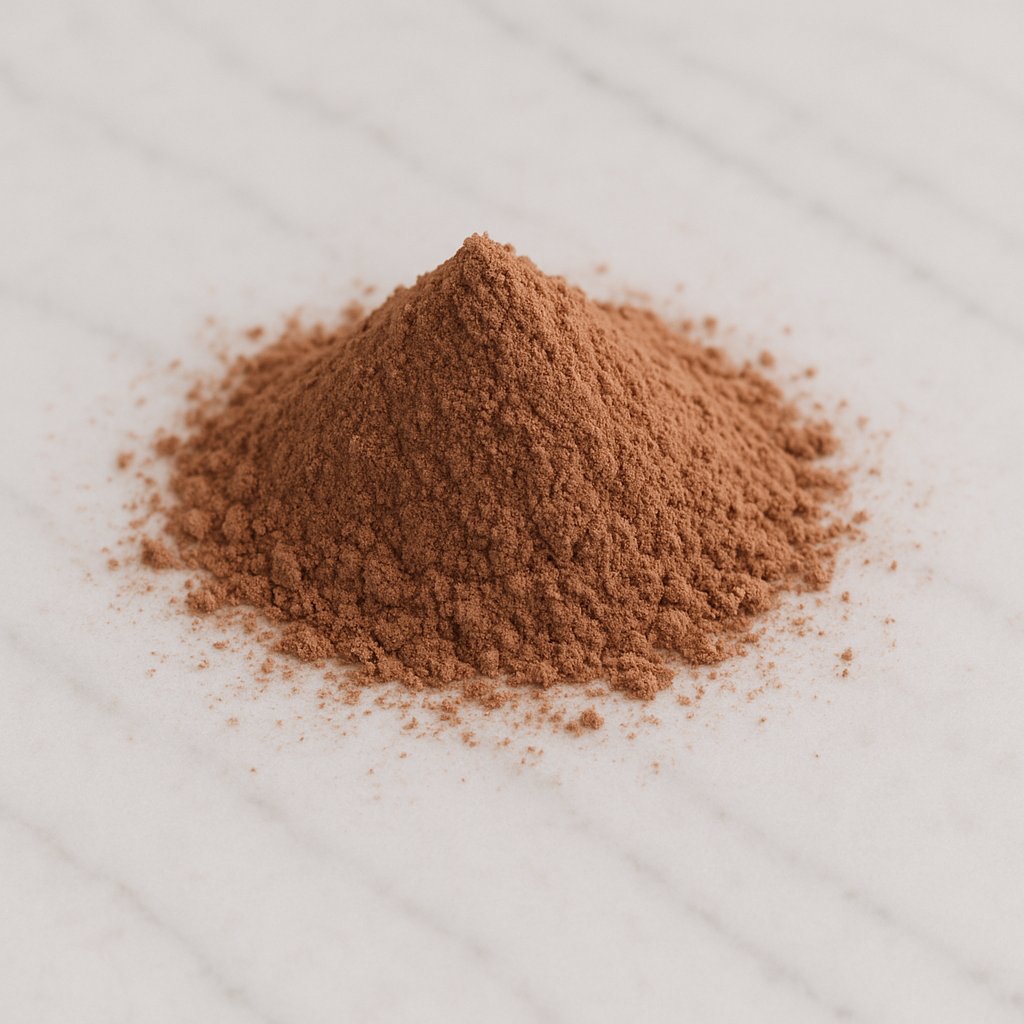
Chocolate pudding is an ingredient that can be found very easily in many countries. Unlike fresh fruit, chocolate pudding does not come directly from a single plant. The most important raw ingredient for the chocolate flavour is cocoa, which is obtained from cocoa beans. Cocoa beans grow on cocoa trees, which thrive mainly in warm, humid regions around the equator. Known growing regions include countries in West Africa (for example the Ivory Coast and Ghana), South America (such as Ecuador or Brazil) and parts of Asia (for example Indonesia).
If you are looking for chocolate pudding today, you can get it in different ways. A broad distinction is made between fresh, homemade pudding and industrially produced pudding powders or ready-made puddings in cups:
- Homemade pudding: This is the pudding you cook at home with milk, sugar, cocoa or chocolate and optionally starch (such as corn starch). It often tastes particularly creamy and fresh. You can adjust the sweetness and chocolate intensity exactly as you like – stronger, milder, a bit more bitter with dark chocolate or sweeter with milk chocolate.
- Pudding powder: This is a dry product in a packet. You mix it with milk and cook it briefly. It is practical and quick, ideal when time is short. Powders often contain starch as a binding agent so that the pudding thickens.
- Ready pudding in a cup: These are ready portions that stand in the refrigerated section of the supermarket. You just have to open them and eat them directly. They are convenient for on the go or packed lunches.
There are also many variants of chocolate pudding, so there is something for almost every taste. Here are some typical types:
- Milk chocolate: Mild and sweet, often popular with children. Tastes gently of chocolate.
- Semisweet or dark chocolate: Has a more intense, slightly more bitter taste. Those who like chocolate with more 'bite' choose this variant.
- White chocolate: Although it contains no cocoa solids, there are puddings with white chocolate that are very creamy and sweet.
- Vegan pudding: For people who do not eat dairy products, there are plant-based puddings (for example with oat, soy or almond milk). Instead of classic gelatin or animal milk, plant-based thickeners are used.
- See also: reduced-sugar or sweetened versions: For those who want to eat less sugar, there are puddings with less or no sugar.
- Flavor combinations: Chocolate is often combined with vanilla, caramel, orange or nuts. One example: chocolate‑hazelnut pudding is reminiscent of Nutella.
In supermarkets, pudding powders and ready puddings are available year-round. Seasonal or specialty varieties (for example with Christmas spices or special types of chocolate) sometimes appear only temporarily. Fresh, homemade pudding is easiest to prepare if you have the ingredients at home. And if you're curious, you can try different varieties — like a chocolate tasting to find which version you like best.
In summary: the basis for chocolate pudding is cocoa from warm growing regions, and there are many types of pudding — homemade, powdered and ready-made — as well as variants from very mild to very dark or even vegan, so almost everyone can find their favourite version.