Availability and types
What is chocolate spread and where does it come from?
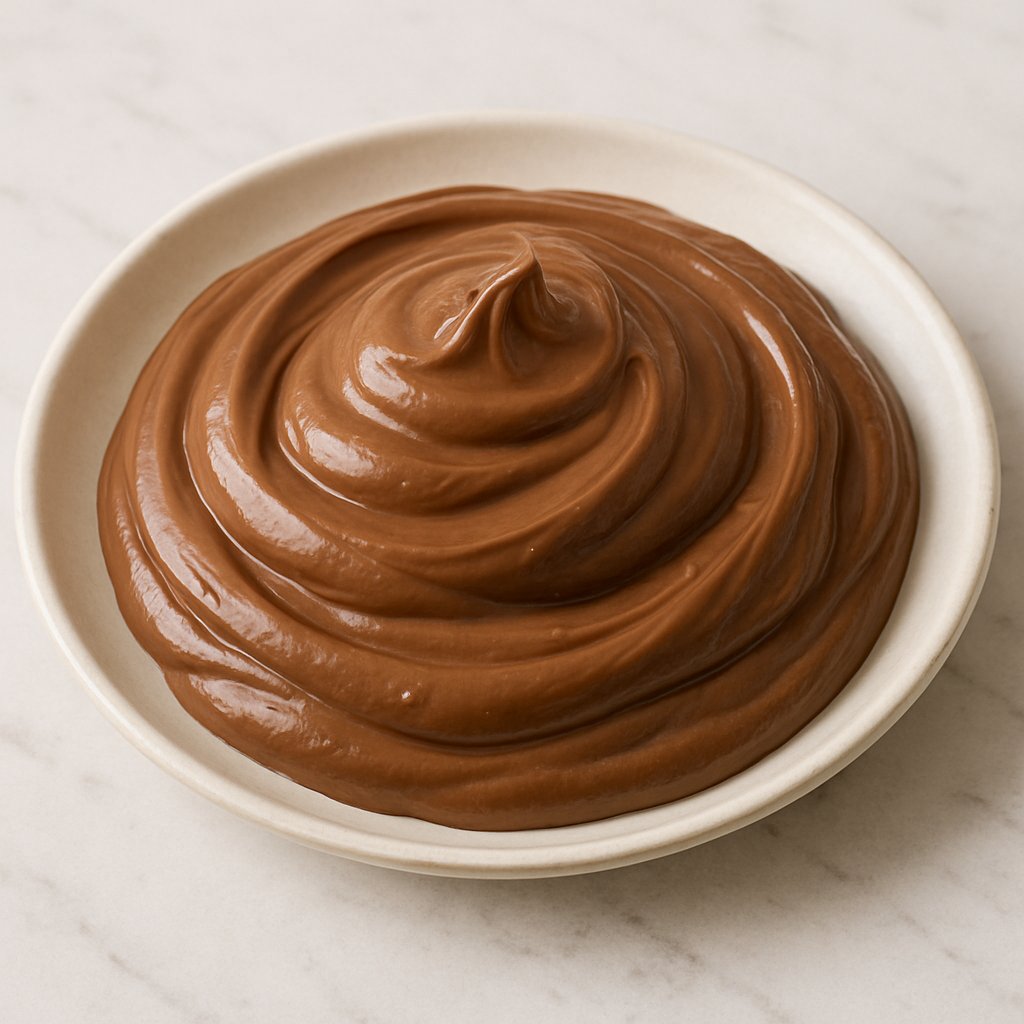
Chocolate spread is a spreadable sweet that tastes of chocolate. The most important ingredient is cocoa, which is produced from the seeds of the cacao tree. Cacao trees grow mainly in warm, humid countries near the equator. Known cultivation areas are West Africa (for example the Ivory Coast and Ghana), South America (such as Brazil and Ecuador) and parts of Asia (like Indonesia). You can think of it like oranges: they only grow well in certain regions – the same applies to cocoa.
Chocolate spread is a spreadable sweet that tastes of chocolate. The most important ingredient is cocoa, which is produced from the seeds of the cacao tree. Cacao trees grow mainly in warm, humid countries near the equator. Known cultivation areas are West Africa (for example the Ivory Coast and Ghana), South America (such as Brazil and Ecuador) and parts of Asia (like Indonesia). You can think of it like oranges: they only grow well in certain regions – the same applies to cocoa.
How and where can you buy chocolate spread?
Chocolate spread is available almost everywhere food is sold:
Chocolate spread is available almost everywhere food is sold:
- Supermarkets: The most common source. Various brands are available on shelves in jars or tubes.
- Specialty shops: Delicatessens or organic stores sometimes offer special or handmade varieties.
- Online shops: On the internet you can order international or rare variants that are hard to find in stores.
- Bakeries and cafés: Some sell homemade chocolate spread or use it in their products.
What varieties and variants exist?
Chocolate spread is not always the same – there are many different types. Here are the main ones:
Chocolate spread is not always the same – there are many different types. Here are the main ones:
- Light (milky) chocolate spread: It tastes creamy and sweet because it contains a lot of sugar and dairy products. This is the type many children prefer.
- Dark (more bitter) chocolate spread: This contains more cocoa and less sugar. It tastes more intense and less sweet, similar to dark chocolate.
- Nutty variants: Hazelnut or almond is often added. Well-known spreads combine cocoa and nuts – this gives a nutty, rounder flavour.
- With additional flavours: Some spreads contain vanilla, caramel, orange or even chili. These are small flavour surprises, like ice cream with toppings.
- Light or reduced-sugar variants: For people who want to eat less sugar, there are spreads with sweeteners or fewer calories.
- Organic and Fairtrade products: These creamy spreads often use cacao beans from controlled cultivation. That means the trees were grown under more environmentally friendly conditions and farmers sometimes receive fairer prices.
- Vegan variants: Dairy products are omitted here. Instead of milk, plant milks such as oat or almond milk are used, so vegans can also eat the spread.
- Homemade spreads: Many families make chocolate spread themselves, for example from melted chocolate and a little butter or oil. This is often less processed than purchased products.
How do the varieties differ in everyday life?
Imagine you have three slices of bread: On one you spread a very sweet, light chocolate spread – that's like a dessert. The second slice gets a dark, more bitter spread – that's like a small cocoa kiss, but not as sweet. On the third you spread a nutty variant – it tastes a bit like gianduja. That way you quickly notice which spread suits which taste.
Imagine you have three slices of bread: On one you spread a very sweet, light chocolate spread – that's like a dessert. The second slice gets a dark, more bitter spread – that's like a small cocoa kiss, but not as sweet. On the third you spread a nutty variant – it tastes a bit like gianduja. That way you quickly notice which spread suits which taste.
Tips for buying
Pay attention to the ingredient list: the fewer unknown words and the more natural ingredients, the simpler the spread. If environmental protection matters to you, look for labels like "Organic" or "Fairtrade". And try different varieties – sometimes you discover your new favourite spread that way.
Pay attention to the ingredient list: the fewer unknown words and the more natural ingredients, the simpler the spread. If environmental protection matters to you, look for labels like "Organic" or "Fairtrade". And try different varieties – sometimes you discover your new favourite spread that way.