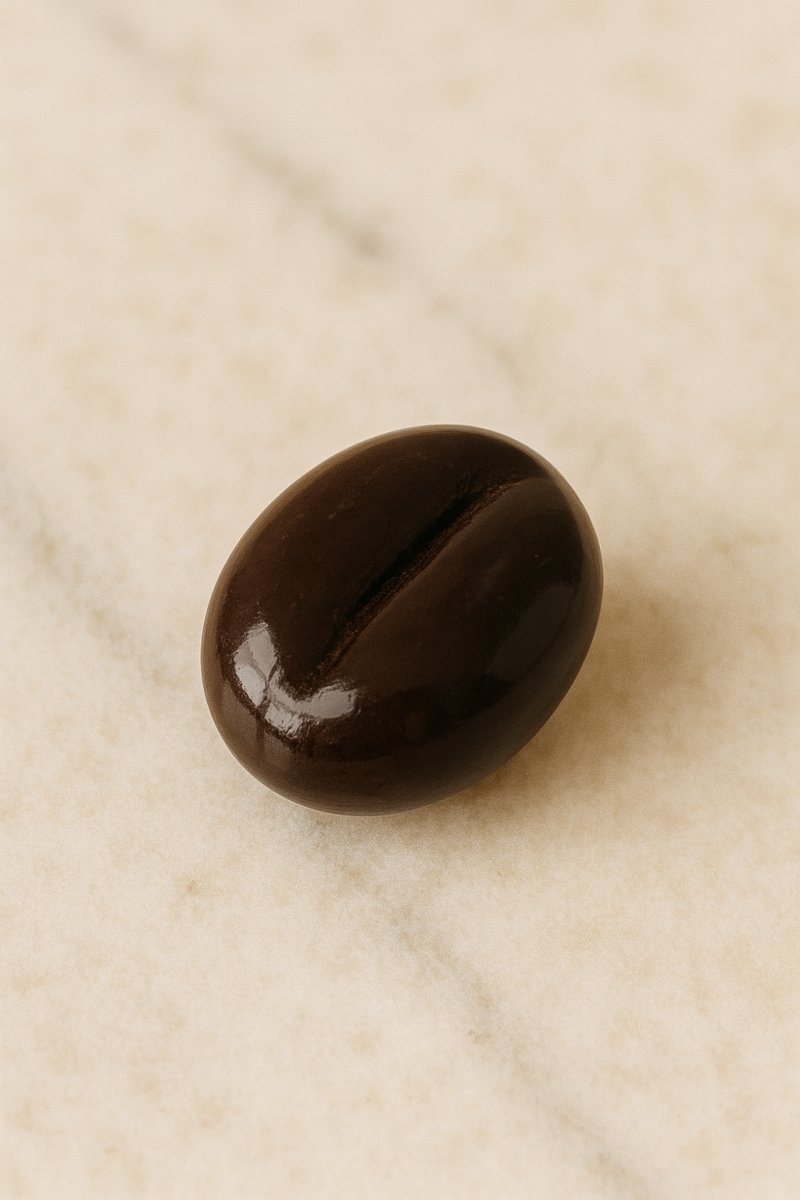
Availability and types of the chocolate bean
The chocolate bean is a fictional but easily imaginable ingredient that one can picture similar to a cocoa bean or a chocolate fruit. Its availability and the different types can be explained well and are especially exciting for children: some varieties are found everywhere, others only in certain regions or from special vendors.
Origin
The chocolate bean grows on plants that thrive best in warm, humid areas. You can imagine it as a plant that likes lots of sun and regular rain — similar to an apple tree, but located in tropical regions. Traditionally, chocolate beans are cultivated in countries near the equator because temperature and humidity there are ideal. This origin also explains why the term "tropics" is sometimes heard when talking about the chocolate bean.
The chocolate bean grows on plants that thrive best in warm, humid areas. You can imagine it as a plant that likes lots of sun and regular rain — similar to an apple tree, but located in tropical regions. Traditionally, chocolate beans are cultivated in countries near the equator because temperature and humidity there are ideal. This origin also explains why the term "tropics" is sometimes heard when talking about the chocolate bean.
Growing regions
The main growing regions are imagined as tropical areas on several continents. Examples include:
The main growing regions are imagined as tropical areas on several continents. Examples include:
- West Africa: Much of what we know grows here — many farmers grow chocolate beans, similar to large plantations.
- South America: In dense, green rainforests special varieties with fruity flavours thrive.
- Southeast Asia: In countries with lots of rain and warmth chocolate beans are also cultivated, often on smaller farms.
You can think of these places like different kitchens: each region has its own "recipe" for how the plants are cared for, and that later affects the flavor of the chocolate beans.
Available varieties and versions
There are several types of chocolate beans that differ in taste, size and color. Here are some easy-to-understand categories:
There are several types of chocolate beans that differ in taste, size and color. Here are some easy-to-understand categories:
- Mild chocolate beans: This variety tastes gentle and not very bitter. It is good for people who like sweet, mild chocolate — similar to milk chocolate.
- Bitter chocolate beans: They have a stronger, slightly bitter taste. Adults like to use them for dark chocolate, which is more intense.
- Fruity chocolate beans: Some beans taste a bit like berries or citrus. That is due to how the plant grows and what is in the soil.
- Spice- or nut-flavored: There are variants that naturally have notes of nuts or spices — it's like discovering different flavors in chewing gum.
- Organic and Fairtrade variants: These beans are grown without harmful chemicals and usually by farmers who are fairly paid. It's like the difference between "homemade" and "factory-made" — many people prefer the sustainable options.
How easy are they to get?
You can find chocolate beans in many supermarkets, grocery stores and online. Some varieties are very common, others rare — for example special fruity or hand-picked variants that are produced in small quantities. A simple comparison: some chocolate beans are like ordinary apples in the store, others like a special apple variety from the farmers' market that isn't available everywhere.
You can find chocolate beans in many supermarkets, grocery stores and online. Some varieties are very common, others rare — for example special fruity or hand-picked variants that are produced in small quantities. A simple comparison: some chocolate beans are like ordinary apples in the store, others like a special apple variety from the farmers' market that isn't available everywhere.
In summary: the chocolate bean comes from warm, tropical regions, there are many different types with different flavours, and you can often find them easily — although some special varieties are rarer and usually more expensive. Thus each bean has its own character, and discovering them is fun, almost like trying new ice cream flavours on a hot summer day.
