Availability and types
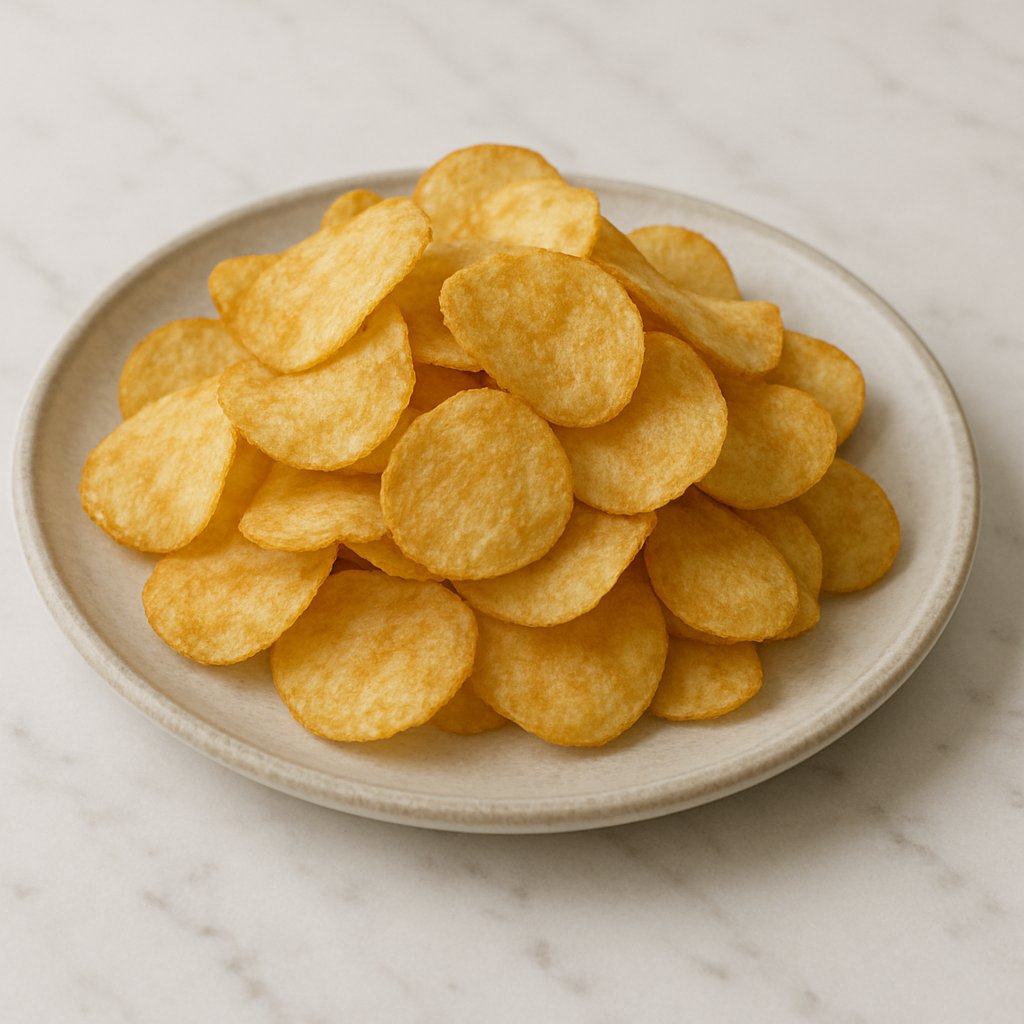
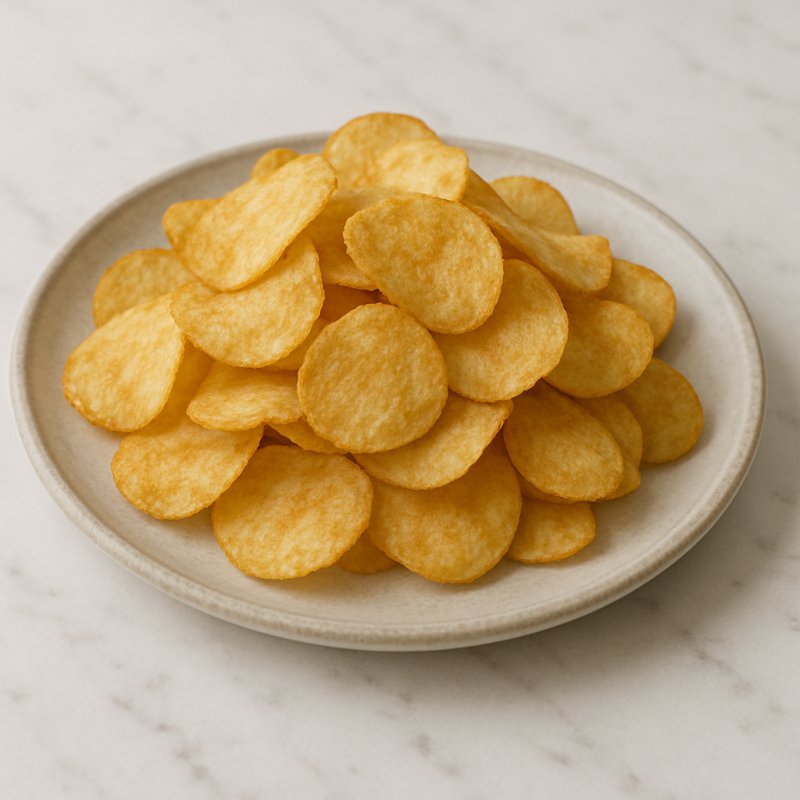
When we talk about chips, we usually mean thin, crispy slices of potatoes or other plants that are fried, baked or browned. Chips are available almost everywhere: in supermarkets, at gas stations, in kiosks and often also in vending machines. Some people buy large family packs, others take small bags for on the go. Availability depends on where you live – cities usually have a larger selection, in rural areas sometimes fewer brands or varieties.
Origin
The classic potato chip idea originally comes from regions where potatoes are cultivated, for example Europe, North America and parts of Asia and Latin America. Potatoes were originally domesticated in South America (especially in the Andes) and were then brought to many countries. Today potatoes for chips are grown in many countries, often where the climate is suitable for the potato harvest – not too hot and sufficiently moist, but also with periods when the fields dry so that the tubers can be harvested.
The classic potato chip idea originally comes from regions where potatoes are cultivated, for example Europe, North America and parts of Asia and Latin America. Potatoes were originally domesticated in South America (especially in the Andes) and were then brought to many countries. Today potatoes for chips are grown in many countries, often where the climate is suitable for the potato harvest – not too hot and sufficiently moist, but also with periods when the fields dry so that the tubers can be harvested.
Growing regions
The potatoes for chips grow in large fields. Important growing regions are:
The potatoes for chips grow in large fields. Important growing regions are:
- Europe: Countries such as Germany, France, the Netherlands and Poland grow many potatoes.
- North America: Especially the USA and Canada produce a lot for large manufacturers.
- Asia: Some regions, such as China and India, also grow large quantities of potatoes.
- Latin America: Since the potato originally comes from the Andes, many traditional varieties grow there.
Farmers choose varieties that have robust skins and store well. For chips it is important that the potato becomes nicely crispy when fried and does not remain too soft or oily.
Available types and variants
Chips come in many variants – almost like ice cream in many flavors. Here are the main types you'll find in stores:
Chips come in many variants – almost like ice cream in many flavors. Here are the main types you'll find in stores:
- Potato chips: The classics. Thin slices of potatoes that are fried or baked. They come in many flavors like salt, paprika, cheese or sour cream.
- Sweet potato chips: Made from sweet potatoes. They are often a bit sweeter in taste and have an orange color.
- Vegetable chips: Chips from beetroot, parsnip, carrot or other vegetables. They look more colorful and taste different from potato chips.
- Corn chips (tortilla chips): Made from corn, often crunchy and thicker pieces. They pair well with dips like salsa or guacamole.
- Rice or lentil chips: Lighter variants made from rice or legumes. They are often somewhat airier and sometimes gluten-free (that means they do not contain a particular cereal protein that some people cannot tolerate).
- Baked vs fried chips: Some chips are baked instead of fried – that means they are made crispy in the oven and often have somewhat less fat.
- Organic and regional varieties: There are chips from certified organic farming (organic) or from small producers who use local potato varieties. These packages are sometimes more expensive because production is smaller and more sustainable.
In summary: chips are available almost everywhere and in many forms. Whether crispy from potatoes, colorful from vegetables or airy from rice – there is a suitable variety for almost every taste. If someone prefers something specific, they can try different types and find which variety tastes best.