Availability and types of peperoncino
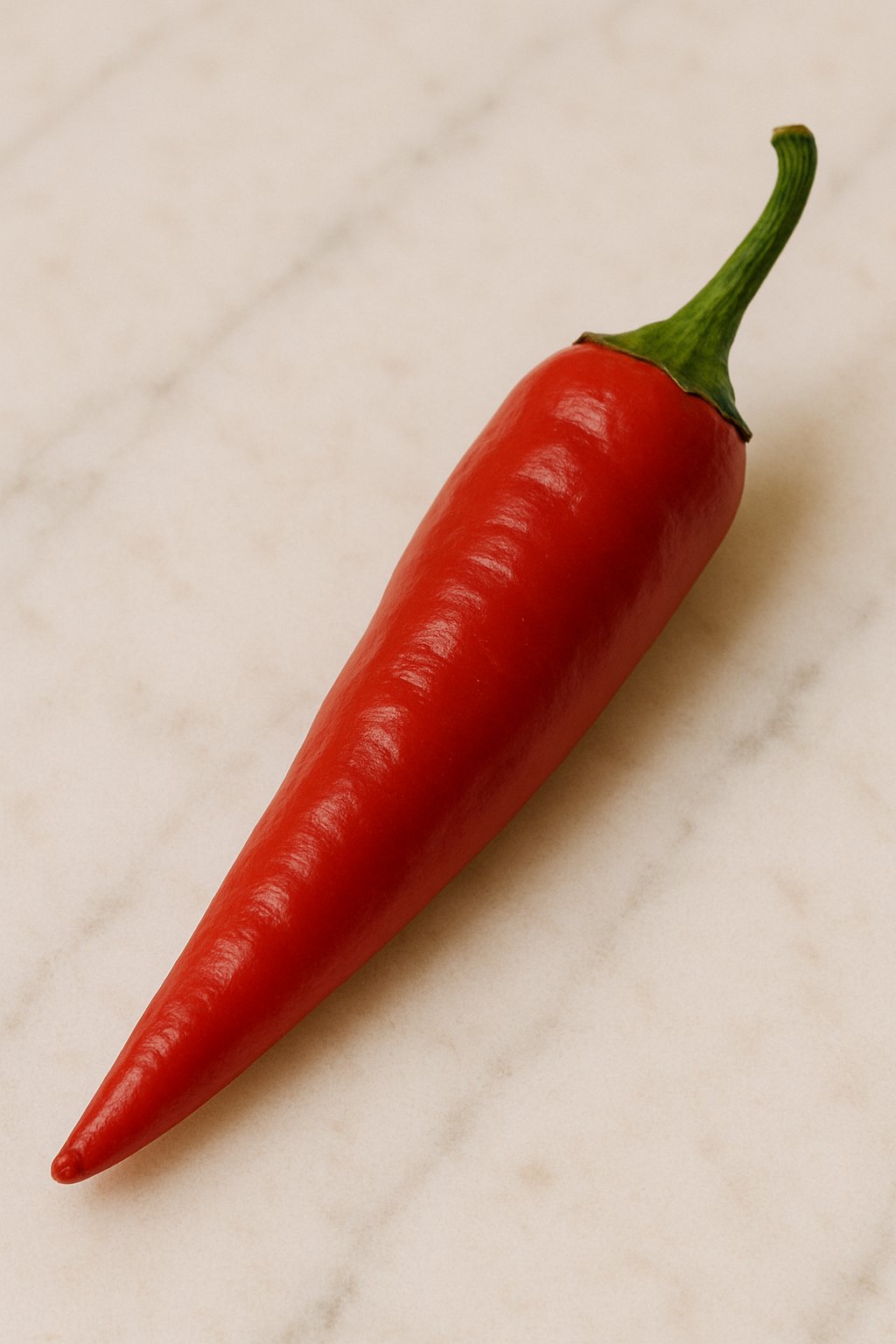
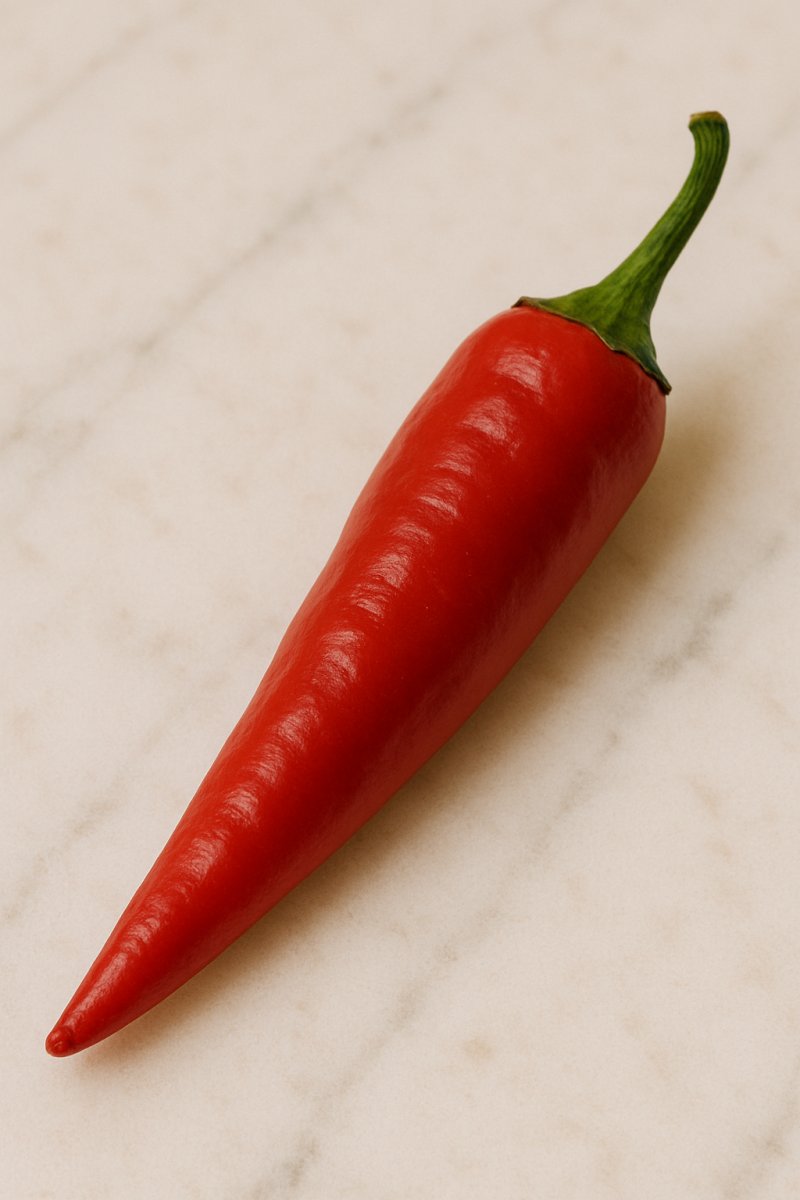
Peperoncino is a small, hot chili that is widely used in cuisines around the world. Although the word "peperoncino" comes from Italian and there often refers to any small chili, there are many different species and variants. You can find peperoncini in supermarkets, markets, delicatessens and even as a dried spice or preserved in oil. Availability depends on where you live and the season.
Origin
Peperoncini originate from the Americas — the first chili fruits grew already thousands of years ago in Central and South America. When sailors and explorers traveled the world, they brought chilies to Europe, Africa and Asia. Especially in southern Europe, for example in Italy, the plants found a home and became very popular. You could say: peperoncini are like an immigrant guest that made itself at home everywhere and now grows in many gardens.
Peperoncini originate from the Americas — the first chili fruits grew already thousands of years ago in Central and South America. When sailors and explorers traveled the world, they brought chilies to Europe, Africa and Asia. Especially in southern Europe, for example in Italy, the plants found a home and became very popular. You could say: peperoncini are like an immigrant guest that made itself at home everywhere and now grows in many gardens.
Growing regions
Peperoncini prefer warm, sunny locations. That is why they are often cultivated in regions that receive a lot of sun. Important growing regions include:
Peperoncini prefer warm, sunny locations. That is why they are often cultivated in regions that receive a lot of sun. Important growing regions include:
- Italy – especially in the south and on islands like Sicily; many small, hot chilies are grown there for the kitchen.
- Spain – you will often find dried varieties there that are used in the kitchen or as flakes.
- Mexico and Central America – home to many different chilies; many original varieties grow there.
- Asia – countries such as India, Thailand and China also cultivate many hot chilies that are often used in similar ways.
You can also grow peperoncini well in gardens and on balconies. A simple flowerpot with good soil, sun and regular watering is often enough.
Available varieties and forms
Peperoncini come in many shapes, colors and heat levels. Here are some typical types you will frequently find:
Peperoncini come in many shapes, colors and heat levels. Here are some typical types you will frequently find:
- Fresh – small, firm chilies that can be red, yellow or green. They are juicy and add a lot of flavor when used in salads, sauces or on pizza.
- Dried – these chilies have been air- or oven-dried. Dried peperoncini keep a long time and are often crumbled or ground for use as a spice.
- Preserved in oil – many shops sell peperoncini in oil, sometimes with herbs like garlic or oregano. The oil absorbs the heat and flavor, making it very aromatic.
- Flakes and powders – crushed or ground peperoncini are convenient when only a little heat is needed. A bit like salt, but spicy.
- Different cultivars by heat level – some peperoncini are mild and more aromatic, others are very hot. Heat is measured in Scoville units, but that is just a number indicating how 'burning' the chili tastes. For children and sensitive eaters there are milder variants.
In many supermarkets you will find standard varieties, while specialty shops often offer unusual or regional variants. If you want to experiment, try a fresh peperoncino, then a dried one and perhaps one preserved in oil — you will be surprised how different they taste. In this way peperoncino is a versatile ingredient, easy to find and enjoyable in many forms.