Availability and types of chicory
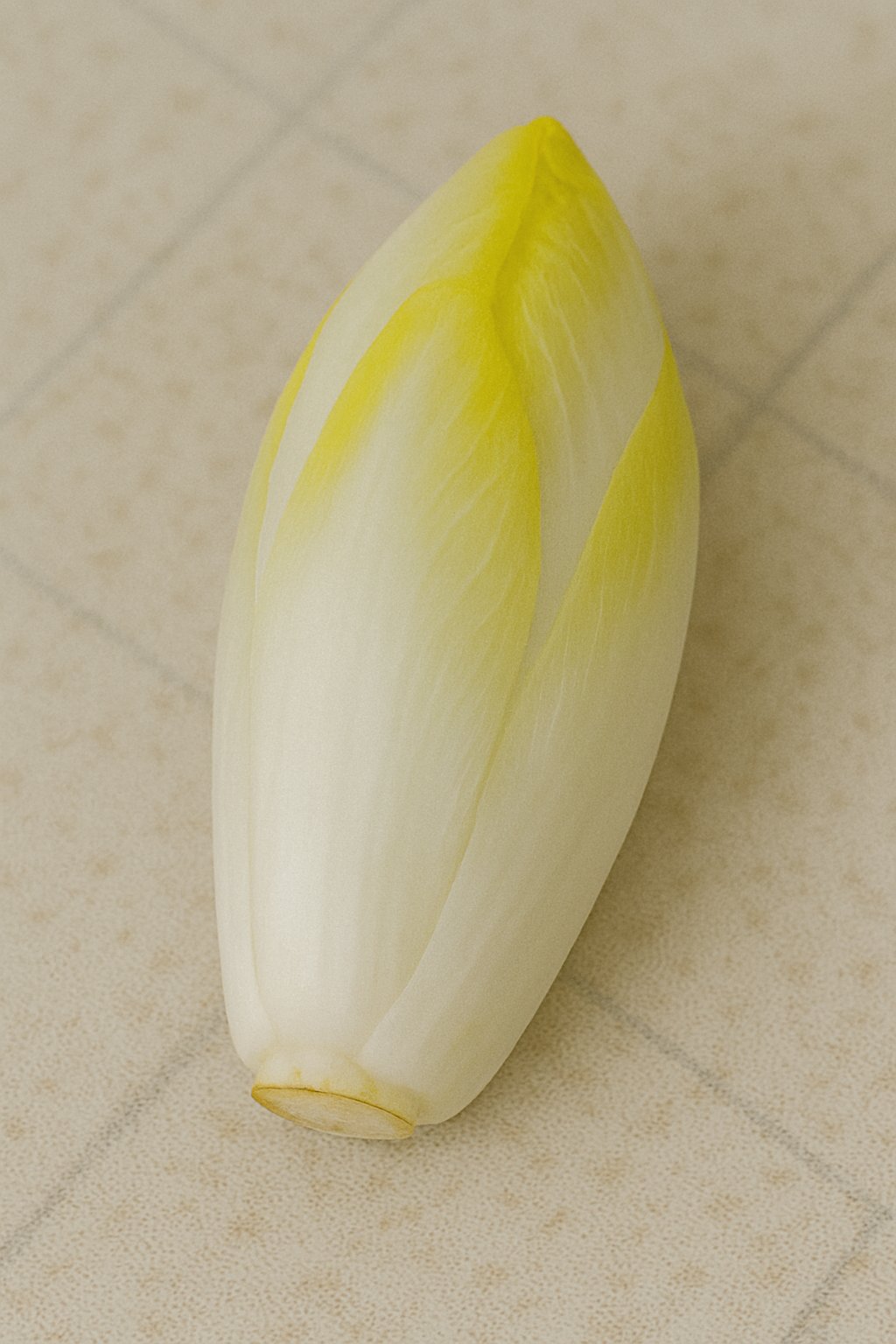
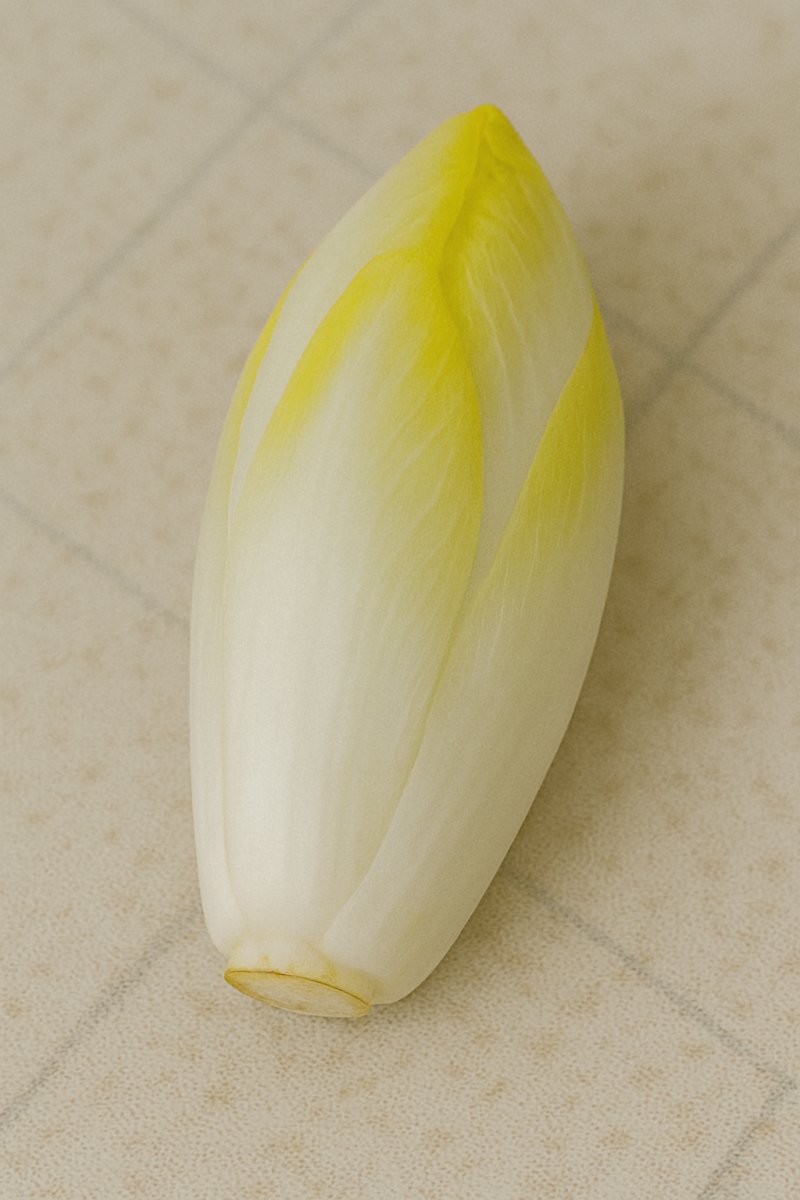
Chicory is a special vegetable that often appears on the market in winter. It looks like a small, firm, pale yellow to white bud with closely packed leaves. Many people know it for its slightly bitter taste. But where does it come from, what varieties exist, and when is it best to get it? Here you will find an easy-to-understand but very comprehensive explanation – also suitable for 12-year-olds.
Origin: where chicory comes from
Chicory originally comes from Europe. It was discovered in the 19th century in Belgium when people wanted to store the roots of chicory (also called wild chicory) in the dark and cool. The roots then suddenly produced pale shoots – that was the birth of chicory! Today chicory is mainly grown in countries such as Belgium, France, the Netherlands and Germany. Belgium is still considered one of the most important countries of origin and is famous for its quality.
How chicory grows: the special thing about the breeding
Chicory grows in two steps:
1) First the chicory root is grown in the field – similar to a large carrot. These roots are harvested in autumn.
2) After that the roots are placed in a dark room (forcing house). There they sprout pale shoots – this is the chicory we eat. Darkness is important so the leaves do not turn green and remain more tender.
1) First the chicory root is grown in the field – similar to a large carrot. These roots are harvested in autumn.
2) After that the roots are placed in a dark room (forcing house). There they sprout pale shoots – this is the chicory we eat. Darkness is important so the leaves do not turn green and remain more tender.
Availability: when can you get chicory?
Because chicory is forced in dark rooms, it is available almost year-round. Its main season, however, is in autumn and winter, roughly from November to April. In this period it is usually especially fresh, affordable and tastes best. In summer it is also available, but often somewhat more expensive.