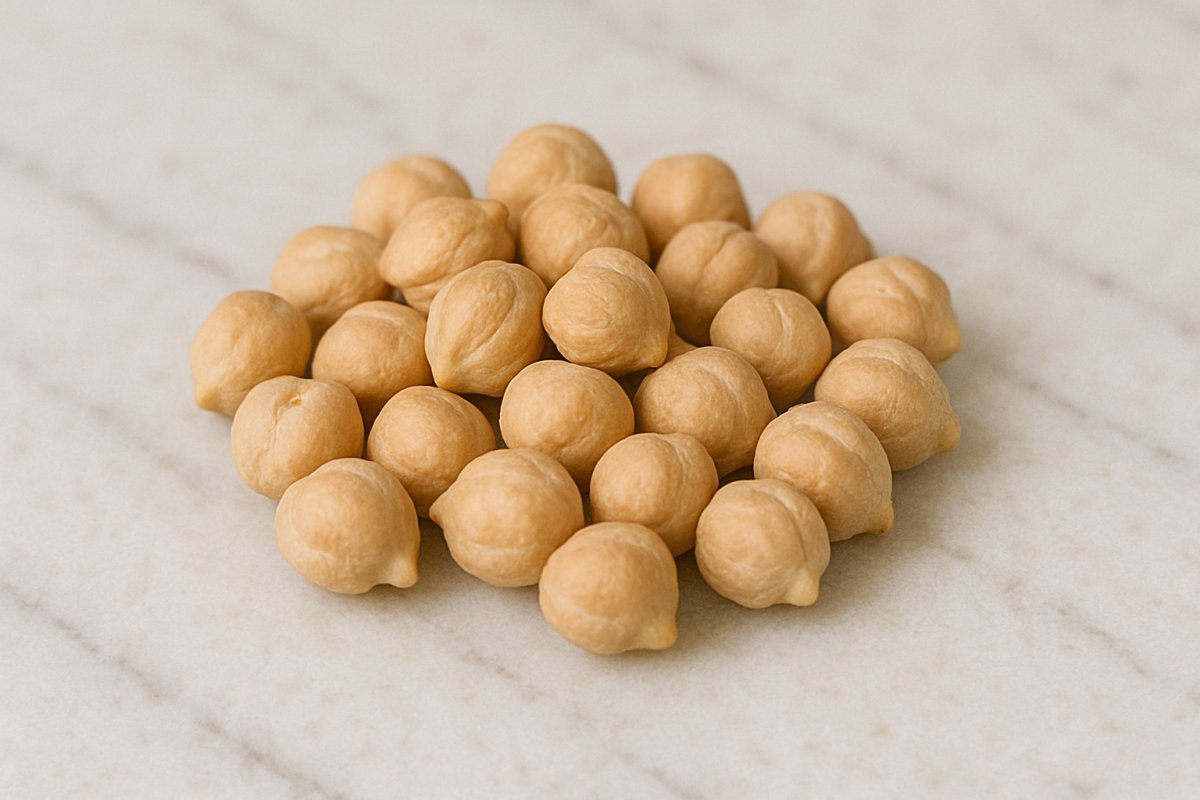
Availability and types of chickpeas
Chickpeas are small, round legumes eaten in many countries around the world. You can buy them fresh, dried or canned. They are very versatile — like a chameleon among foods — and grow in warm regions of the world.
Origin and growing areas
Chickpeas were cultivated thousands of years ago. They are believed to have originated in the Near East, in areas such as present-day Iran, Turkey and the countries around the eastern Mediterranean. Later chickpeas spread to India, Africa, southern Europe and eventually worldwide. Today major growing areas include:
Chickpeas were cultivated thousands of years ago. They are believed to have originated in the Near East, in areas such as present-day Iran, Turkey and the countries around the eastern Mediterranean. Later chickpeas spread to India, Africa, southern Europe and eventually worldwide. Today major growing areas include:
- India – the country that grows and eats the most chickpeas.
- Australia – an important exporter, especially of dried chickpeas.
- Turkey and Egypt – traditional growing countries around the Mediterranean.
- Spain and Italy – where chickpeas are often used in Mediterranean dishes.
- Mexico and the USA – chickpeas are also grown there today.
You can imagine that chickpeas are “sun-loving”: they prefer warm, dry conditions and tolerate little water — which makes them ideal for regions with hot summers.
Available varieties and forms
There is not just one kind of chickpea. Here are the main types you can find in the supermarket or market:
There is not just one kind of chickpea. Here are the main types you can find in the supermarket or market:
- Dried chickpeas – These are hard and must be soaked overnight or cooked for several hours. They are often cheaper and keep for a long time. Many people prefer them because after cooking they are firmer and have a nuttier taste.
- Canned chickpeas – Already cooked and packed in water or brine. Very convenient because they are ready to use. You can add them directly to salads, stews or purées like hummus.
- Jars and preserves – Similar to cans, but sometimes packed in jars with liquid or oil. Good for storage and attractive to look at.
- Fresh chickpeas – In some regions they are available fresh, still in the pod. These are juicier and taste more like young peas.
- Chickpea flour – The flour is made from dried chickpeas and is used in many dishes like pancakes, bread or fried foods. It is gluten-free, so suitable for people who cannot eat wheat.
- Roasted chickpeas – Like chips, but crunchy and healthy: you can buy them or roast them yourself in the oven as a snack.
Differences in color and shape
Chickpeas are mostly cream-colored to light brown. However there are darker varieties, such as the so-called Kabuli chickpeas (larger and lighter) and Desi chickpeas (smaller and darker). Kabuli types resemble small round balls, while Desi types are often a bit wrinkled. Both taste good but are preferred in different regions and dishes.
Chickpeas are mostly cream-colored to light brown. However there are darker varieties, such as the so-called Kabuli chickpeas (larger and lighter) and Desi chickpeas (smaller and darker). Kabuli types resemble small round balls, while Desi types are often a bit wrinkled. Both taste good but are preferred in different regions and dishes.
In summary: chickpeas are widespread worldwide, grow best in warm, dry areas and are available in many forms — dried, canned, fresh, ground or roasted. Whether you take them quickly from a can or cook something tasty from dried beans, chickpeas are a simple and healthy ingredient found in many kitchens.