Menu & categories

Cauliflower

Light, versatile and nutrient-rich

Wiki about cauliflower Nutri-Score A Vegan Yes Gluten-free Yes Lactose-free Yes Nut-free Yes
NUTRITION / 100 g
25 kcal 1.9 g Protein 5.0 g Kohlenhydrate 0.3 g Fett

Introduction

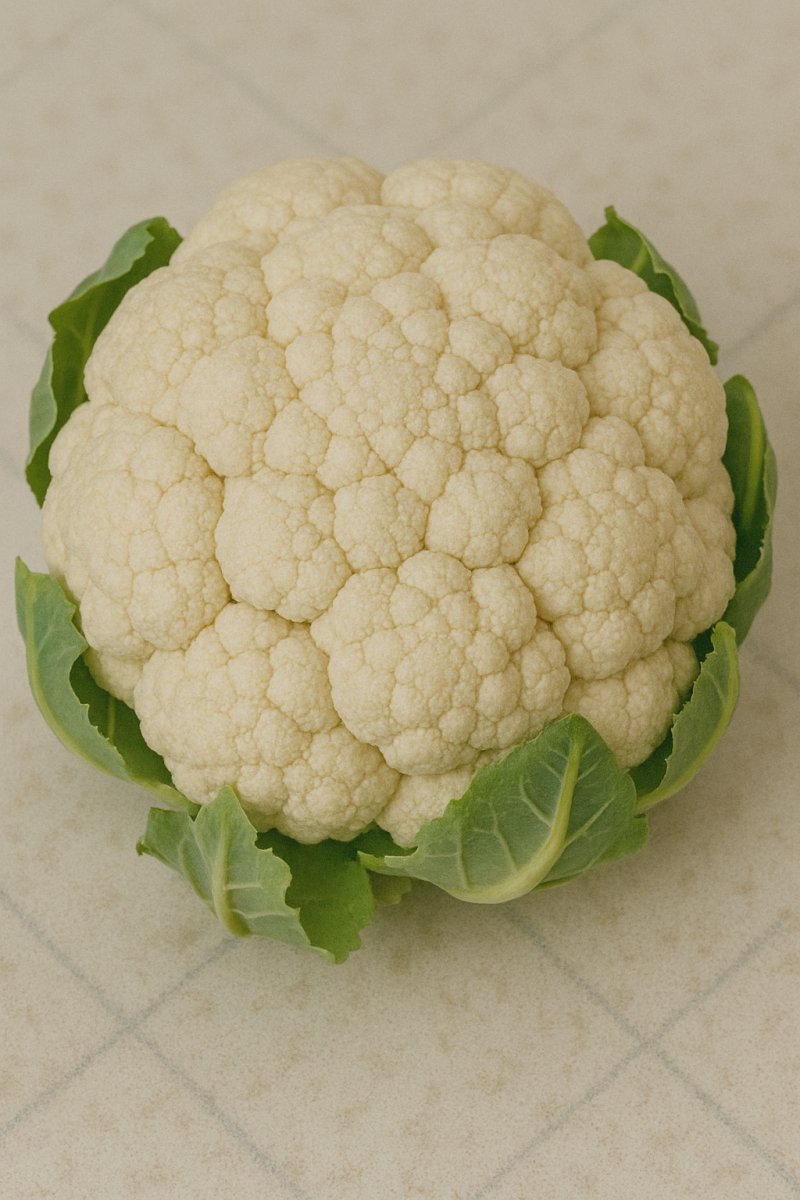
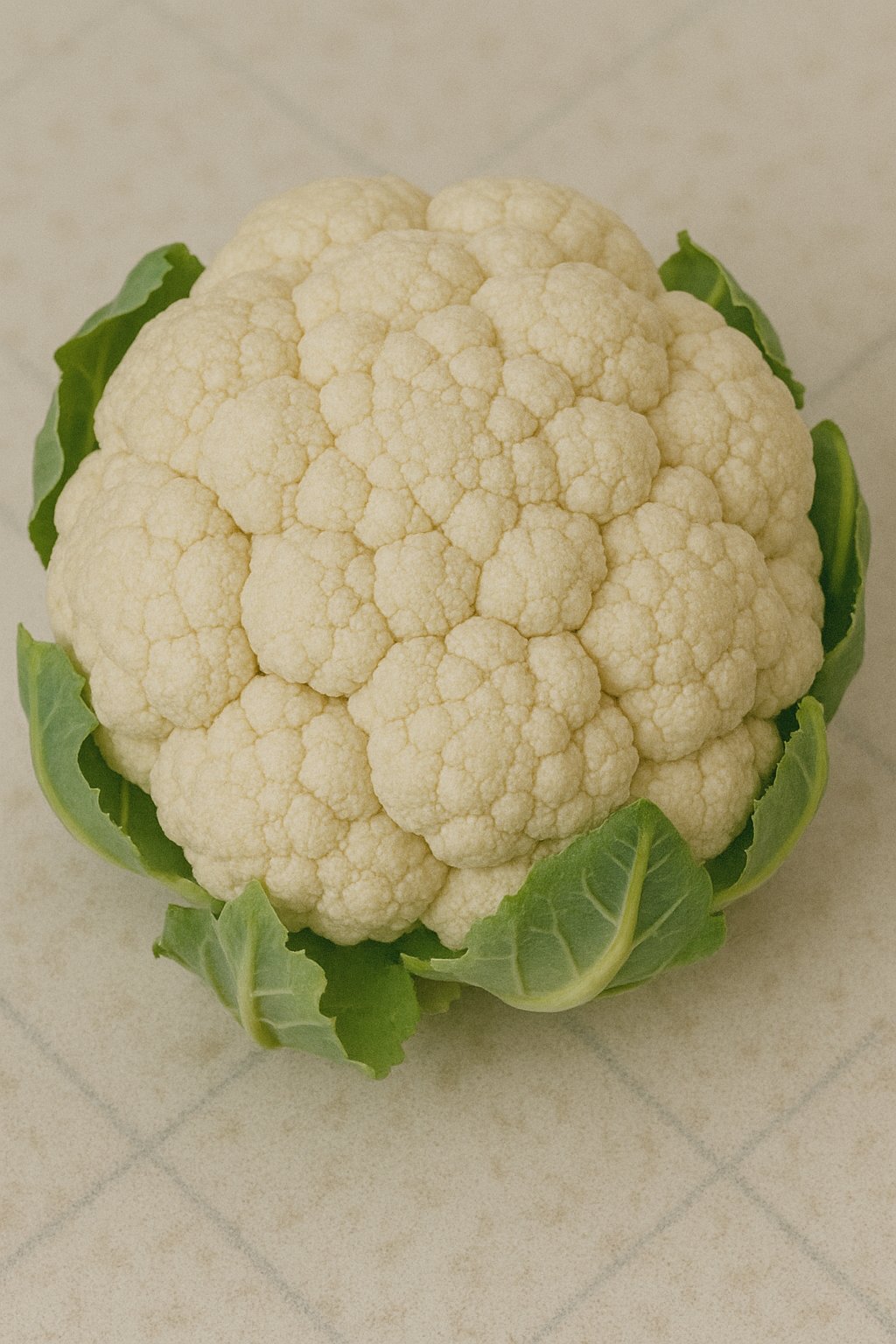
Fresh head of cauliflower
As a 35-year-old editor from Europe I have a special relationship with cauliflower – an ingredient that in my kitchen has risen over the years from an inconspicuous side dish to a shining main actor. The smell of freshly roasted cauliflower reminds me of the Sundays of my childhood, when my grandmother served the cabbage with buttered breadcrumbs and parsley. Today I often cook it in a more modern way: as a creamy purée, roasted in the oven with cumin and lemon zest, or as an elegant base for bowls. Cauliflower is versatile, easy to combine and brings a delicate, nutty note that works in many culinary styles – from Mediterranean to Far Eastern.

What makes cauliflower so special? This cabbage type, botanically known as Brassica oleracea var. botrytis, convinces with its flexibility in texture and taste. Depending on the preparation it becomes soft-creamy, crunchy or wonderfully caramelized. It is also rich in vitamin C, vitamin K, folate and fiber. For me personally its easy digestibility is also a plus: it is low in calories, fits into a balanced diet and is a popular ingredient in vegetarian and vegan recipes. A colleague of mine raves about how cauliflower got him through a stressful time – as a quick oven dish that fills you up without weighing you down.

Also interesting is the European tradition around cauliflower. In France you find it in fine gratins with nutmeg and Gruyère, in Italy it often lands in the pan with garlic, olive oil and anchovies, and in Germany the classic version with cream sauce remains popular. I myself particularly like to combine it with citrus fruits, tahini or hazelnuts. A chef friend from Copenhagen showed me how to fry cauliflower as a “steak”: thick slices, heavily seasoned, fried in ghee or olive oil and coated with lemon butter. The effect is astonishing – full flavor, tender center, crispy edges.

When shopping I always look for fresh, firm florets and a clean, compact head without brown spots. The leaves

Availability & types

Availability and types of cauliflower

Cauliflower is a versatile vegetable grown in many countries. It belongs to the large family of cruciferous vegetables, which also includes broccoli, kohlrabi and Brussels sprouts. When you see cauliflower in the supermarket or at the market, it is usually a round, white head with tightly packed “little flowers”. But cauliflower is not only white – it comes in many varieties, colors and shapes. In this section you will learn where cauliflower comes from, when it is available and what types there are. Everything explained so that it is also easy for 12-year-olds to understand.

Origin and cultivation
Cauliflower originally comes from the Mediterranean region. It was grown many hundreds of years ago in regions like Italy and Greece. From there it spread throughout Europe and later to other parts of the world. Today important growing countries include for example:

  • Italy and France – especially for traditional, flavorful varieties
  • Netherlands – known for efficient cultivation and large quantities
  • Spain – supplies a lot of cauliflower in winter
  • India and China – very large producers for the Asian market
  • Germany, Austria, Switzerland – seasonal cultivation, often available regionally
Cauliflower prefers mild, rather cool weather. Too much heat makes the heads smaller or loosens the “florets”. That is why it is often grown in spring and autumn. In warmer countries it can also be harvested in winter.

Availability through the year
As a general rule: cauliflower is available almost year-round, because it is grown in many countries at different times. Nevertheless there are typical seasons:

  • Spring (March–May): first regional harvests in milder regions. Heads are often tender and mild.
  • Summer (June–August): abundant harvests in cooler areas. In very hot weeks quality can vary
Details & nutrition

Property Value
Unit g
Average weight per piece 800
Calories per 100 25
Protein per 100 1.9
Carbohydrates per 100 5.0
Sugar per 100 1.9
Fat per 100 0.3
Saturated fat per 100 0.1
Monounsaturated fat 0.0
Polyunsaturated fat 0.1
Fiber per 100 2.0
Vitamin C (mg) per 100 48
Vitamin D (IU) per 100 0
Calcium (mg) per 100 22
Iron (mg) per 100 0.4
Nutri-Score A
CO₂ footprint 0.3 kg CO2e/kg
Origin Open field/Greenhouse, Europe
Gluten-free Yes
Lactose-free Yes
Nut-free Yes
Vegan Yes
Note May cause bloating in sensitive individuals; rich in vitamin C and fiber.

Technical & scientific information

Cauliflower (Brassica oleracea var. botrytis) is a cultivated form of cabbage from the Brassicaceae family and is one of the most important cabbage types in cuisine, agriculture and nutritional science. Characteristic is the thickened, whitish to creamy inflorescence, referred to as the “head” or “flower”. Besides the classic white form there are colored variants such as purple, green or orange cauliflower, whose pigmentation is due to anthocyanins or carotenoids. Botanically it is a modified inflorescence whose dense, hypertrophic meristems are formed through selective breeding and cultivation practice.

Botany and morphology: Cauliflower is a biennial plant with rosette-arranged, partly wax-covered leaves. The edible head develops in the vegetative phase through proliferation of not-yet-differentiated inflorescences. The later generative phase, for seed production, occurs in the second year via shoot formation and flowering. The plant prefers cool to temperate climates; temperatures between 12 and 20 °C are considered optimal for head quality and compact structure. Sufficient leaf cover protects the head from UV light, preserving the typical white color; if absent, chlorophyll formation can lead to greening.

Cultivation and agronomy: In agriculture varieties are distinguished by maturity groups (early, mid-, late-season) and head color. Site-adapted nutrient supply is important: cauliflower has a high demand for nitrogen, potassium and boron. Boron deficiency leads to internal hollowing and browning, while calcium deficiency promotes leaf necrosis (tip burn). The optimal pH is usually between 6.5 and 7.2; too acidic soils increase the risk of clubroot (Plasmodiophora brassicae). Uniform water supply is central for dense heads and reduced cracking. Plant protection focuses on cabbage pests such as the cabbage white butterfly, flea beetles and cabbage root fly as well as fungal diseases (Alternaria, downy mildew). Common cultural practices include raising seedlings, split nitrogen applications and leaf coverage (head leaves

Wiki entry for: cauliflower
Active now: 24 visitors of which 2 logged-in members in the last 5 minutes