Availability and types of carrot juice
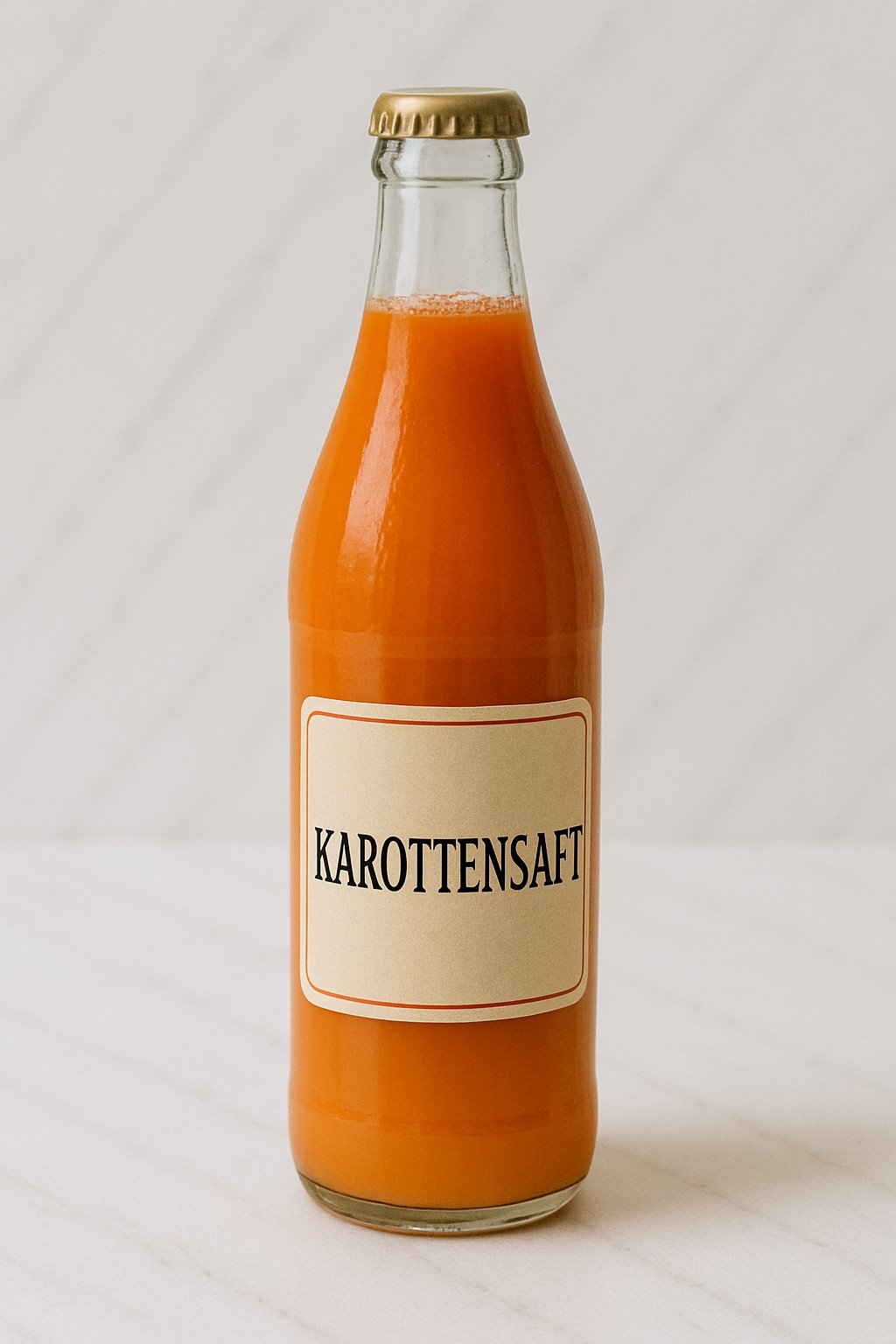
Carrot juice is very widespread and easy to find. It is made from carrots grown in many parts of the world. Sometimes carrot juice is offered freshly pressed, but it is often also sold bottled in supermarkets. Think of carrot juice like orange juice: you can get it fresh at the fruit stall or prepackaged from the shelf.
Origin
Carrots originally come from Central Asia and were spread to different countries hundreds of years ago. Today carrots grow almost everywhere there is enough sun and suitable soil. Carrots are harvested and then processed into juice nearby or transported to other countries to be made into juice there. If a country is listed on the bottle, you know where the carrots were at least processed.
Growing regions
- Europe: Many carrots for juice come from countries like Germany, France, the Netherlands and Spain.
- North America: In the USA and Canada there are large vegetable fields that supply much carrot juice production.
- Asia and Africa: Juice is also produced there, especially in countries with warm climates.
The exact origin on the packaging helps you know how far the juice has traveled. Fresh regional juice is usually more environmentally friendly because it does not have to be transported as far.
Available carrot varieties
Carrots come in different colors, shapes and sizes. For juice these varieties are particularly important:
Carrots come in different colors, shapes and sizes. For juice these varieties are particularly important:
- Orange carrots: The most well-known variety, sweet and full-flavored.
- Purple or red carrots: These give a slightly different taste and a special color.
- Yellow and white carrots: A bit milder in taste, sometimes used for specialty juices.
- Baby or mini carrots: Small, sweet carrots that are often juiced as well.
Variants of carrot juice
Carrot juice is available in different forms you can find in stores:
Carrot juice is available in different forms you can find in stores:
- Freshly pressed: Usually in juice bars or markets. It tastes very fresh but is only short-lived.
- Pasteurized: This juice has been briefly heated so there are fewer bacteria. This makes it last longer on the shelf.
- Concentrate: Water is often removed so the juice is smaller and lighter. Water is added back in for consumption.
- Organic: From carrots grown without chemical fertilizers or pesticides.
- Mixed juices: Carrot juice with apple, orange, ginger or other fruits/vegetables for different flavors.
When choosing a juice, check the label: does it say “100% carrot juice” or were additives like sugar or concentrate used? Fresh juice often has more flavor, while pasteurized juice keeps longer – like milk that is briefly heated to stay fresh longer.
In summary: carrot juice is available everywhere, comes from many countries and is offered in many varieties and processing forms. Whether freshly pressed at the market or as an organic bottle from the supermarket – there is a suitable variant for every taste and need.