Menu & categories

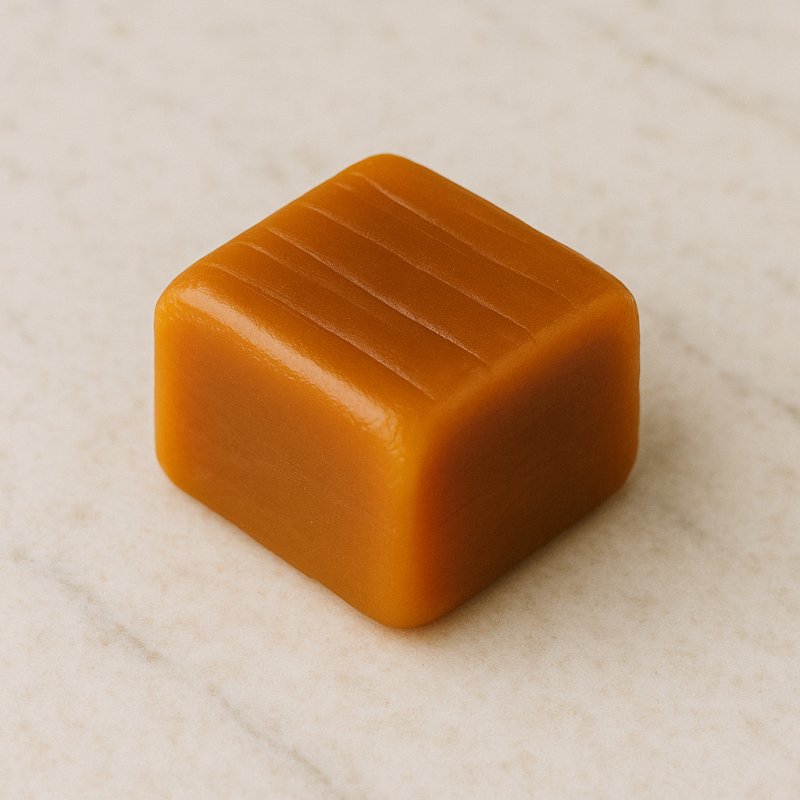
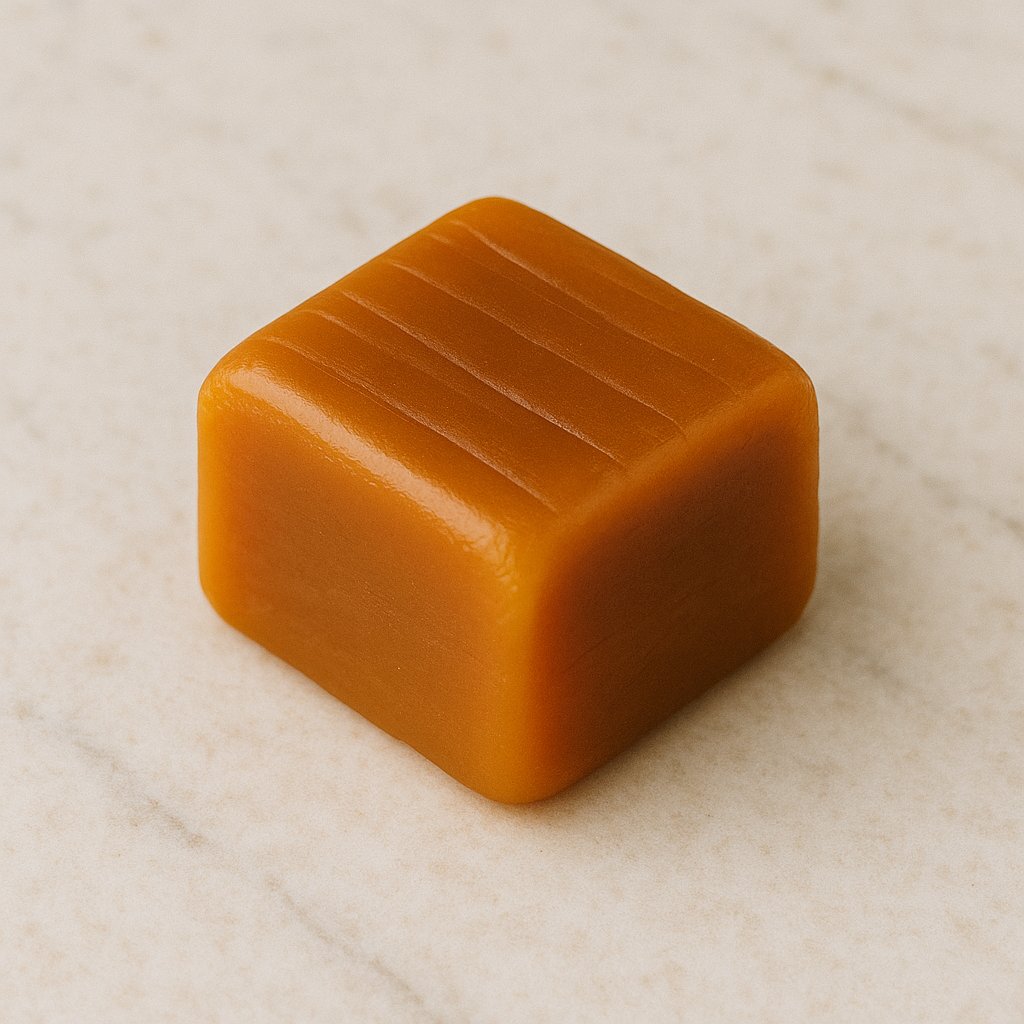
Caramel candy

Sweet treat made of caramel

Wiki about caramel candy Nutri-Score D Vegan No Gluten-free Yes Lactose-free Yes Nut-free Yes
NUTRITION / 100 g
384 kcal 0.5 g Protein 90 g Kohlenhydrate 0.5 g Fett

Introduction

Caramel candy on a wooden board
I still remember clearly the first moment I put a caramel candy in my mouth. It was at a small fair in my hometown, and the sweet scent of freshly made sugar filled the air. A colleague offered me a candy that glittered in the sun and made my mouth water at the sight of it. When I bit into it, a wave of sweet, creamy flavor enveloped me, and I was immediately transported to a world full of nostalgia and childhood memories. Caramel candies are more than just sweets; they are little moments of happiness that remind us of special times.

Caramel is one of the oldest and most versatile ingredients there is. It is created when sugar is slowly heated until it melts and its color changes. The art of caramelizing is not only a matter of technique but also of timing. You have to develop a sense for when the sugar is perfect – not too light, but not too dark either, because otherwise the taste can become bitter. The right balance is crucial.

I have spent a lot of time in the past experimenting with different caramel candies. Whether with sea salt, nuts or even spices like cinnamon – the possibilities are almost endless. In one of my first attempts I made a caramel sauce that I poured over vanilla ice cream. My friends were delighted, and I can still remember the smile of a colleague who was always skeptical about desserts. When he took a spoonful, his eyes lit up like a child discovering their favorite toy.

Here are some of the best tips I have gathered over the years to make perfect caramel candies:

  • Use high-quality ingredients: The flavor of the sugar is decisive. Organic sugar can make a big difference.
  • Be patient: Caramel requires time. Let the sugar melt slowly and watch the process.
  • Experiment: Dare to add different flavors to personalize your caramel.
Making caramel candies is not only a culinary adventure but also a great way to create memories. Whether as a small gift for friends or as a sweet highlight at a celebration – caramel candies are always a hit. When I now think back to that fair and the first candy, it becomes clear that it is these small treats that make life sweeter.

Availability & types

Caramel candies are a popular sweet that many people love. They consist mainly of sugar, which is heated and then processed into a tasty, sticky mass. But where do these sweet treats actually come from, and what types of caramel candies are there?

Origin and cultivation areas
Caramel candies have their roots in the history of sugar. Originally, sugar was obtained from sugarcane or sugar beet. Sugarcane grows in warm, sunny regions such as Brazil, India or Australia, while sugar beets are cultivated in cooler climates, such as in Germany or the USA. These plants are the basis for the sweetness we find in caramel candies.

To make caramel, sugar is heated in a special process. The sugar melts and turns into a golden, syrup-like liquid. If this liquid is heated further, caramel is formed, which can then be poured into various shapes to make the popular candies.

Available types and variants
There are many different kinds of caramel candies that vary in flavor, texture and ingredients. Here are some of the best-known types:

  • Soft caramel candies: These candies are particularly tender and melt quickly in the mouth. They are often creamy and have a sweet taste that is enhanced by cream or milk.
  • Hard caramel candies: These candies are crunchy and have a firm texture. You have to chew them to eat them. They are often available in various flavors, such as fruity or nutty.
  • Salted caramel candies: This variant has a special twist, as it combines the sweetness of caramel with a pinch of salt. This mixture creates a unique taste that many people enjoy.
  • Chocolate caramel candies: This is a delicious combination of caramel and chocolate. These candies are often coated with a layer of chocolate and offer a rich, chocolatey taste.
  • Fruit caramel candies: These candies are filled with fruity flavors, such as strawberry, lemon or orange. They are especially popular with children and provide a fresh taste.
Additionally, there are caramel candies that are refined with special ingredients. For example, nuts, biscuit pieces or even spices like cinnamon are sometimes added to make the flavor more interesting. Some caramel candies are even produced with fillings that contain caramel, chocolate or fruit.

In many countries, caramel candies are not only enjoyed as a sweet treat but also given or made for special occasions. They are a popular gift for holidays or birthdays and are enjoyed by young and old alike.

In summary, caramel candies are a versatile sweet that is available in many different variants.
Details & nutrition

Property Value
Unit g
Average weight per piece 5
Calories per 100 384
Protein per 100 0.5
Carbohydrates per 100 90
Sugar per 100 80
Fat per 100 0.5
Saturated fat per 100 0.1
Monounsaturated fat 0.1
Polyunsaturated fat 0.1
Fiber per 100 0
Vitamin C (mg) per 100 0
Vitamin D (IU) per 100 0
Calcium (mg) per 100 1
Iron (mg) per 100 0.1
Nutri-Score D
CO₂ footprint 0.3
Origin Germany
Gluten-free Yes
Lactose-free Yes
Nut-free Yes
Vegan No
Note Caramel candies are a popular sweet treat and mainly contain sugar and fat.

Technical & scientific information

Caramel candy is a sweet ingredient made from sugar and other ingredients to create a viscous, usually brown confection. These candies are popular in many cultures and are often eaten as a snack or used in desserts. The production of caramel candies requires precise temperatures and a good understanding of the chemical processes that occur during cooking.

Chemical composition
The main components of caramel candies are sugar, water and sometimes milk or cream. The chemical formula for sucrose, the primary sugar in caramel, is C12H22O11. During the production of caramel, the sugar molecules are transformed through a series of chemical reactions induced by heating. The most common process is caramelization, in which sugar is heated to temperatures of 160 to 180 degrees Celsius. These temperatures lead to the breakdown of sugar molecules, which then develop a variety of flavors and colors.

When heated, sugar goes through different phases: first it melts, then it begins to caramelize, resulting in a golden-brown color, and finally it can burn, producing a bitter taste. These processes are important not only for the flavor but also for the texture of the final product.

Processing and production
The production of caramel candies can be carried out in several steps:

  • Melting the sugar: The sugar is melted in a pot over medium heat until it takes on a golden color.
  • Addition of liquids: After melting, liquids such as water, cream or milk can be added to achieve the desired consistency.
  • Cooking: The mixture is heated further until it reaches the correct temperature and consistency.
  • Cooling and molding: The caramel mass is poured into molds or spread on a surface where it cools and hardens.
Depending on the specific ingredients and the processing, caramel candies can be soft or hard. For example, adding fats such as butter or cream leads to a creamier texture, while using pure sugar results in a firmer, crunchy consistency.

Nutritional values and health aspects
Caramel candies typically contain high amounts of sugar and may, depending on the recipe, also contain fats and other sweeteners. A typical caramel candy can contain about 20 to 30 calories per piece. Nutritional values can vary, but often include:

  • Calories: 20-30 per piece
  • Sugar: 5-7 g
  • Fat: 1-3 g
  • Protein: 0 g
Although caramel candies can be enjoyed in moderation, attention should be paid to the sugar content, especially by people with diabetes or other metabolic disorders. In addition, the high sugar content can contribute to the development of tooth decay.

Wiki entry for: caramel candy
Active now: 14 visitors of which 2 logged-in members in the last 5 minutes