Availability and types of cane sugar
Cane sugar comes from the sugarcane plant, a tall grass species that grows in warm countries. You can imagine sugarcane as thick, juicy stalks – the sweet juice is pressed from them, cooked and dried until small crystals form. Cane sugar is found in many forms and colours in stores, from white sugar to dark, sticky sugar with lots of flavour.
Origin and growing regions
Sugarcane loves sun, warmth and plenty of water. That is why it grows mainly in tropical and subtropical regions. Important growing regions include, for example:
- Brazil – one of the largest countries for sugarcane.
- India – many people grow sugarcane there.
- Thailand and other countries in Southeast Asia.
- Australia, the Caribbean and parts of Africa.
- There are also smaller growing areas in South and Central America, where traditional varieties are often processed.
Although sugarcane is harvested only at certain times, cane sugar is available year-round. This is because the sugar can be dried and stored after harvest and because countries trade sugar with each other – much like shipping apples or bananas.
Available varieties and versions
Cane sugar comes in many variants. You can think of it like different kinds of chocolate: all are sweet, but they taste slightly different. Here are the most common types and what makes them special:
Cane sugar comes in many variants. You can think of it like different kinds of chocolate: all are sweet, but they taste slightly different. Here are the most common types and what makes them special:
- White granulated sugar – very fine and white, usually fully refined. It is neutral in flavor and is often used in baking and beverages.
- Gelling or powdered sugar – ground very finely, almost like flour, good for icings and dusting cakes.
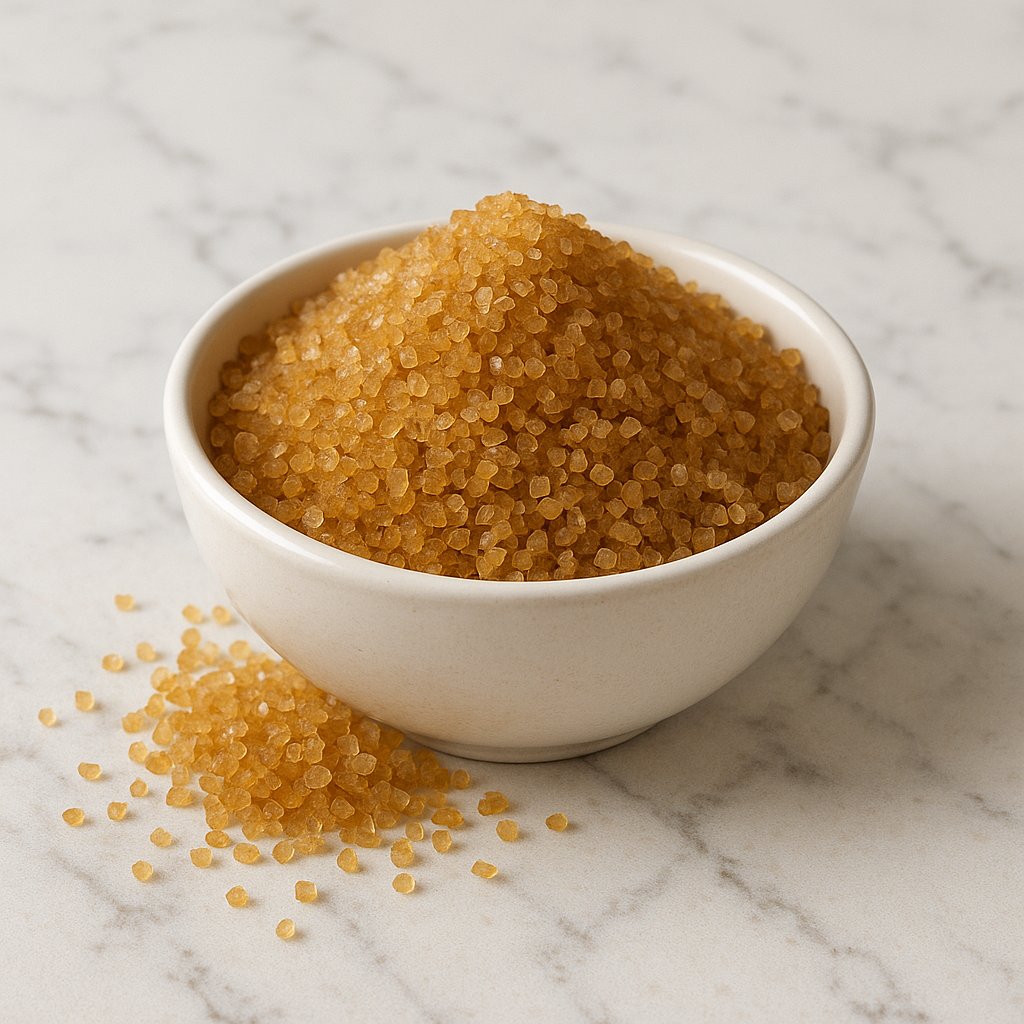
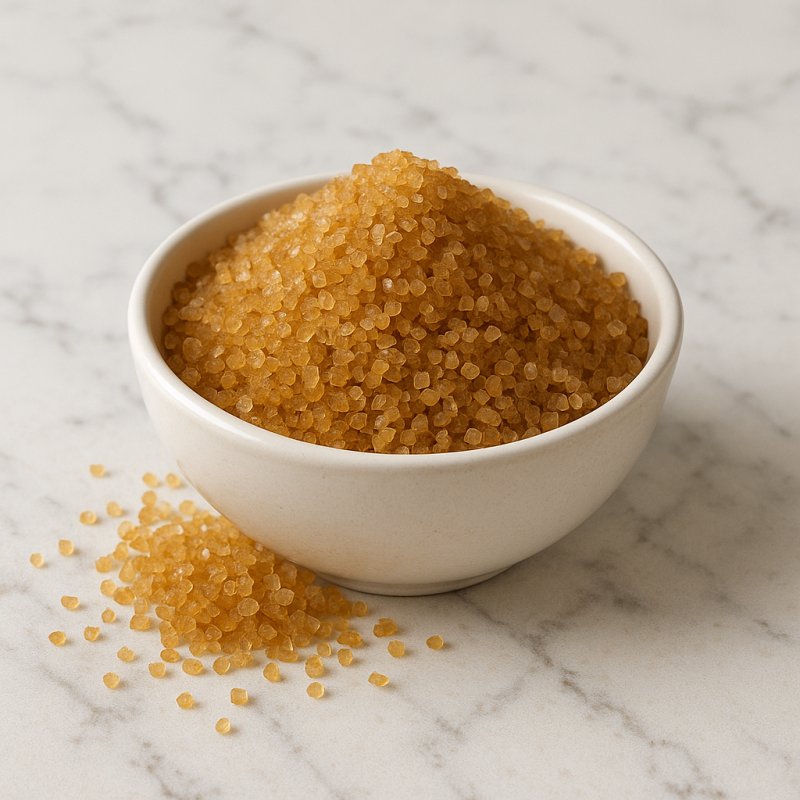
- Raw/golden sugar (e.g. Demerara, Turbinado) – light brown crystals with a mild caramel flavor. The crystals are larger and crack slightly between the teeth.
- Muscovado – dark brown, sticky and very aromatic, because it still contains a lot of molasses (the dark, syrupy by‑product). It pairs well with cookies and marinades.
- Panela / Piloncillo – sold in many countries in the form of a small cone or block. Very natural and full-flavored, often found at markets.
- Cane sugar syrup and molasses – liquid forms used in cooking or drinks, similar to honey but with their own flavour.
Where to find cane sugar
You can buy cane sugar almost everywhere: in supermarkets, health food stores, natural food shops, at the weekly market or online. Some varieties are constantly available in large supermarkets, while special types like muscovado or panela are more often found in specialty stores or online. Look for labels such as "Organic" or "Fair Trade" if environmental protection or fair pay for farmers matters to you – they indicate that certain rules were followed in cultivation and trade.
You can buy cane sugar almost everywhere: in supermarkets, health food stores, natural food shops, at the weekly market or online. Some varieties are constantly available in large supermarkets, while special types like muscovado or panela are more often found in specialty stores or online. Look for labels such as "Organic" or "Fair Trade" if environmental protection or fair pay for farmers matters to you – they indicate that certain rules were followed in cultivation and trade.
In summary: cane sugar is flexible, tasty and available in many variants. From fine white sugar to dark, aromatic types – there is a suitable variety for every taste and application. That way you can always find the right type, whether you're baking a cake, sweetening tea or trying a special recipe.