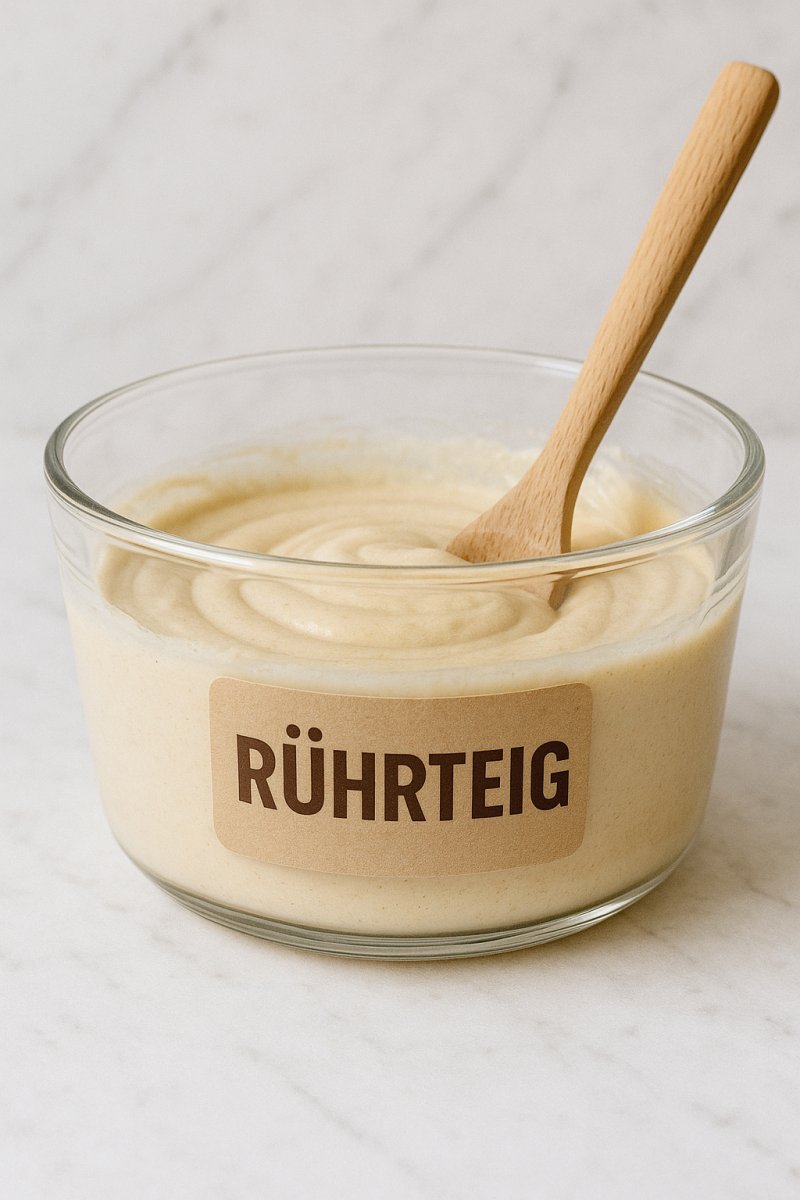
What is creamed batter and where does it come from?
Creamed batter is not a single plant or spice, but a type of batter used for baking cakes, muffins or loaf cakes. Typically flour, sugar, eggs, fat (like butter or oil) and a leavening agent such as baking powder are mixed. Creamed batter has found its place especially in European baking tradition because simple ingredients like flour and eggs have long been available there. You can think of creamed batter like a modular kit: depending on which parts and how much you use, a different cake is produced.
Creamed batter is not a single plant or spice, but a type of batter used for baking cakes, muffins or loaf cakes. Typically flour, sugar, eggs, fat (like butter or oil) and a leavening agent such as baking powder are mixed. Creamed batter has found its place especially in European baking tradition because simple ingredients like flour and eggs have long been available there. You can think of creamed batter like a modular kit: depending on which parts and how much you use, a different cake is produced.
Origin of the main ingredients
The raw materials for creamed batter come from different regions of the world:
The raw materials for creamed batter come from different regions of the world:
- Flour: Mostly wheat flour. Wheat is grown in many countries – large areas include Europe (e.g. France, Germany), North America (USA, Canada), Russia, China and Australia. Flour is, so to speak, the "skeleton" of the batter.
- Eggs: Come from hens, which are kept almost everywhere. Eggs give the batter structure and help make it light.
- Sugar: Can come from sugarcane (grown in warm countries like Brazil, India) or sugar beet (grown in cooler regions like Europe). Sugar sweetens the batter and helps with browning.
- Fat (butter or oil): Butter comes from milk (cows in many countries), vegetable oils like sunflower or rapeseed are produced from crops in Europe and the Americas.
- Baking powder: A small powder that produces gases during baking and makes the batter light. It is a technical ingredient manufactured in factories, not something that grows in the field.
Available types and variants
Creamed batter exists in many forms. You can make it yourself at home with supermarket ingredients or buy ready-made baking mixes. Here are some simple variants you might know:
Creamed batter exists in many forms. You can make it yourself at home with supermarket ingredients or buy ready-made baking mixes. Here are some simple variants you might know:
- Classic butter creamed batter: With butter, eggs, sugar and flour – it is rich and moist, good for loaf cakes.
- Oil creamed batter: Uses oil instead of butter. The batter often stays fresh longer and is easier to mix.
- Moist batter with buttermilk or yogurt: These liquids make the cake particularly moist.
- Chocolate or cocoa batter: With cocoa or melted chocolate – the flavor often originates from West Africa (cocoa growing regions).
- Fruit and nut variants: With berries, apples, nuts or almonds – you simply mix in pieces or purée.
- Vegan creamed batter: Without eggs and milk; substitutes like applesauce, ground flaxseeds or soy yogurt provide moisture and binding.
- Gluten-free variants: With flours from rice, corn, almond or buckwheat for people who cannot tolerate gluten.
Where can you get creamed batter?
You can obtain creamed batter in different ways: make it yourself with ingredients from the supermarket, buy a ready baking mix, or purchase cakes from the bakery. Supermarkets offer many types of baking mixes – from simple vanilla cake to special gluten-free or vegan variants. Bakers offer freshly baked cakes based on creamed batter.
You can obtain creamed batter in different ways: make it yourself with ingredients from the supermarket, buy a ready baking mix, or purchase cakes from the bakery. Supermarkets offer many types of baking mixes – from simple vanilla cake to special gluten-free or vegan variants. Bakers offer freshly baked cakes based on creamed batter.
In summary: creamed batter is very versatile, builds on ingredients from many parts of the world and is easy to adapt. Whether classic with butter, as a vegan or gluten-free version, or with fruit and chocolate – there is a suitable variant for every taste and region.
