Menu & categories

Butter biscuit

Crispy biscuit made from wheat flour with buttery flavor

Wiki about butter cookie Nutri-Score D Vegan No Gluten-free No Lactose-free No Nut-free Yes
NUTRITION / 100 g
450 kcal 7 g Protein 72 g Kohlenhydrate 14 g Fett

Introduction

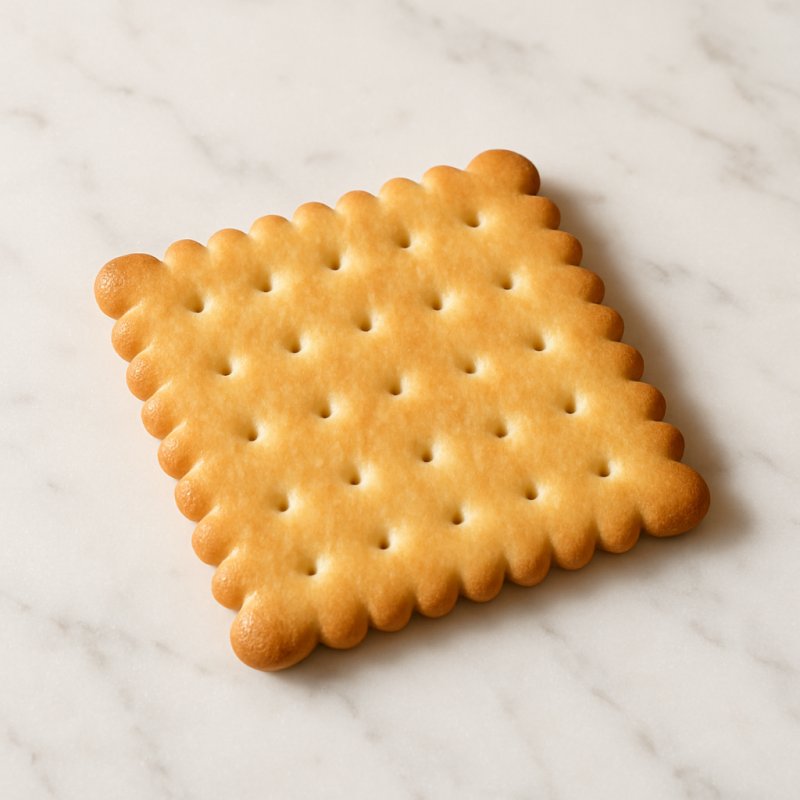
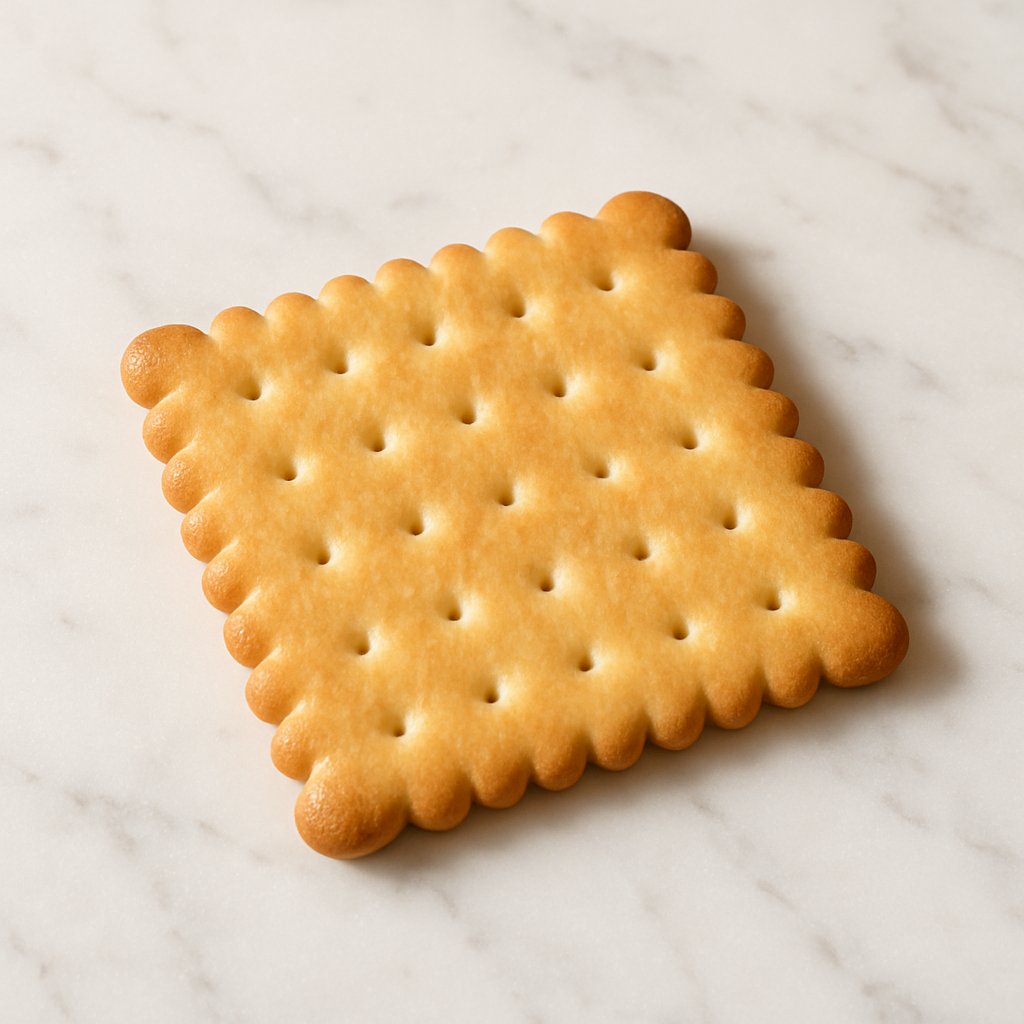
A single butter biscuit on a light background
I still remember exactly the smell of freshly baked butter biscuits wafting through the stairwell of my childhood on a rainy Sunday afternoon. Butter biscuit – for many just a simple biscuit made of butter, flour and sugar – is for me a small culinary piece of home that combines memories, versatility and pure craving. When I talk about it, I see the golden, slightly buttery edges and hear the crisp crackle when you bite into one.

What makes this biscuit special is its plain perfection. The ingredient list is short, but the result is surprisingly complex: buttery, tender, with a fine sweetness that never feels overpowering. I learned that the quality of the butter defines the character; once I used a particularly aromatic butter from a small dairy, and suddenly my baking tray felt more like a collection of short stories than a recipe. A colleague of mine then claimed it was less a biscuit, more a work of art.

Butter biscuits are true chameleons of the kitchen. I use them as a base for cake crusts, crumbled as a crunchy topping for yogurt bowls, or simply plain with afternoon coffee. Sometimes I dunk them in hot cocoa, sometimes I spread them with a paper-thin layer of jam. Their sturdiness also makes them ideal for cheese boards or as an office snack – they rarely break and stay fresh for a long time.

  • Taste: mild, buttery, slightly sweet
  • Texture: crispy, tender
  • Use: plain, as a base, crumbled, dunked
When I bake, friends often watch me expecting that such a simple biscuit doesn’t need much finesse. I laugh, take out my scale and explain the little tricks: cool butter for structure, resting the dough for depth of flavor, not baking too long for the perfect color. In the end we share the biscuits, exchange stories and enjoy these little golden rounds that are much more than the sum of their ingredients.

Availability & types

Availability and types of butter biscuits

Butter biscuits are crunchy, usually rectangular or round biscuits that you can find almost everywhere in supermarkets, bakeries and small shops. They are popular because they taste mild, buttery and not too sweet. You can eat them plain, with jam, spread with Nutella or use them in desserts. Their simple flavor pairs well with many dishes and drinks like milk, tea or cocoa.

Origin
Butter biscuits originally come from Europe. The name is straightforward: they contain butter, which gives them their characteristic flavor and tender texture. In the past biscuits were often simple, long-lasting bread substitutes for travel. Over time these simple baked goods became the butter biscuits known today, enjoyed in households around the world. You can imagine it like this: earlier biscuits were like quickly drying slices of bread, later they became finer and more buttery — out of that came butter biscuits.

Growing/production areas (key ingredients)
A butter biscuit is made from flour, sugar, butter or margarine, salt and sometimes eggs. The main ingredients come from different regions:

  • Wheat/Flour: Flour is made from wheat. Wheat is grown in many countries such as Germany, France, the USA, Canada, Russia and Australia. You can picture wheat fields as large golden meadows that ripple in the wind in summer.
  • Butter/Margarine: Butter is made from milk that comes from cows. Milk and therefore butter are produced worldwide, often in areas with many pastures for cows, e.g., in Europe, North America or New Zealand. Margarine is a plant-based alternative and can be made from various vegetable oils such as sunflower or rapeseed oil.
  • Sugar: Sugar can be obtained from sugar beets (in cooler countries like parts of Europe) or sugar cane (in warmer regions like Brazil or India).
Available varieties and variants
Butter biscuits come in many variants. Here are the most common, briefly explained:

  • The classic butter biscuit: Simple, buttery, not too sweet. Often rectangular with holes or embossing. It tastes neutral and is good for dipping in milk.
  • Wholegrain butter biscuit: Made with wholemeal flour. It looks slightly darker and has a mildly nutty taste. Wholegrain means more parts of the grain are used, so it is “heartier” than the pale biscuit.
  • Chocolate coated: Sometimes butter biscuits are half or fully coated in chocolate. It’s like turning the biscuit into a small chocolate cake.
  • Filled or with cream: There are variants with a thin layer of vanilla or chocolate cream in the middle. It’s like a sandwich: two biscuits with a tasty filling between them.
  • Without butter / vegan variants: For people who don’t eat animal products, there are biscuits based on margarine or vegetable oils. They taste similar but are made without dairy.
  • With flavors or spices: You can also find butter biscuits with lemon, vanilla or cinnamon flavor. These give the biscuit a special note, like a small extra spice in a dish.
In summary, butter biscuits are very easy to find and available in many variants. Whether you’re looking for the classic biscuit, a chocolate version or a vegan alternative — there’s usually something for every taste. They are a flexible snack that brings pleasure both plain and as part of cakes and desserts.
Details & nutrition

Property Value
Unit g
Average weight per piece 6
Calories per 100 450
Protein per 100 7
Carbohydrates per 100 72
Sugar per 100 22
Fat per 100 14
Saturated fat per 100 8
Monounsaturated fat 4
Polyunsaturated fat 1
Fiber per 100 2.5
Vitamin C (mg) per 100 0
Vitamin D (IU) per 100 0
Calcium (mg) per 100 30
Iron (mg) per 100 1.5
Nutri-Score D
CO₂ footprint 1.8
Origin Europe
Gluten-free No
Lactose-free No
Nut-free Yes
Vegan No
Note Average values for commercial butter biscuits; exact nutritional values may vary depending on brand and recipe.

Technical & scientific information

Butter biscuit denotes a dry, flat baked product based on wheat flour, sugar, fat and eggs, widely used because of its mild flavor and firm bite. Typical features are a fine crumb, a golden-yellow crust and a rectangular or round shape with light embossing. The recipe follows classic shortcrust pastry principles, where fat content and the type of fat used decisively determine texture and flavor perception.

Composition and ingredients
The chemical composition of a butter biscuit consists mainly of carbohydrates, lipids and proteins. The main components are:

  • Wheat flour (predominantly types 405–550): provides starch (amylopectin and amylose) and gluten proteins (gliadin, glutenin), which are responsible for elasticity and structure of the dough matrix.
  • Fat: classically butter or vegetable fats/shortening; fats influence melting temperature, texture and aroma-binding capacity.
  • Sugar: household sugar (sucrose) acts as a sweetener, a factor in browning (Maillard reactions indirectly through release of reducing sugars) and water retention.
  • Eggs or yolks: provide emulsifiers (lecithin), proteins and additional lipids that help stabilize dough structure.
  • Leavening agents: in some variants small amounts of sodium bicarbonate or baking powder; traditional butter biscuits often do not have strong leavening action.
  • Salt and flavors: salt modulates taste and protein cross-linking; vanilla or malt extract are used to round out the flavor profile.
Nutritional values
Butter biscuits are energy-dense: 100 grams typically contain 450–520 kcal (approx. 1900–2200 kJ), with calories coming mainly from fats and carbohydrates. A typical nutrient profile per 100 g is roughly 20–30 g fat, 60–70 g carbohydrates (of which 20–30 g sugars) and 6–9 g protein. Fiber content is low unless wholemeal flour is used. Micronutrients such as calcium, iron or B vitamins are usually present in small amounts, depending on ingredients like eggs or enriched flours.

Manufacturing process
Industrial and artisanal production follow similar steps: mixing, forming (rolling and cutting or stamping), possibly resting and baking. In dough preparation the fat is creamed with sugar to incorporate air and create a fine porous structure. Then flour and other ingredients are mixed in; excessive kneading promotes gluten development and can reduce the desired tenderness. During baking thermal processes lead to physical and chemical changes: starch gelatinizes, proteins denature and coagulate, fat melts and migrates, and the surface browns through Maillard reactions and caramelization.

Sensorics and storage
The texture of butter biscuits is described as brittle to crumbly; mouthfeel and aroma release depend on fat type, particle size and porosity. Storage in a dry, airtight package prevents moisture uptake and flavor loss. Lipid oxidation can lead to rancid notes over extended storage times; antioxidants or appropriate packaging solutions (oxygen barrier) extend shelf life.

Health aspects
Butter biscuits are energy-rich and should be consumed in moderation due to their sugar content and the high density of saturated fatty acids (when butter or hydrogenated fats are used). For people with gluten intolerance conventional butter biscuits are unsuitable. Variants with reduced sugar, replacement fats with optimized fatty acid profiles or wholegrain flours can improve nutritional value but will alter taste and texture.

Functional modifications
Technological modifications allow adaptation to specific requirements: emulsifiers improve processability, humectants increase freshness, and starch modifications (e.g., partially digestible resistant starch) can influence glycemic index. Such interventions are balanced against sensory properties and technological feasibility.

Overall, the butter biscuit is a technically simple but chemically complex product whose properties can be precisely controlled through raw material selection and processing steps to achieve desired textures, flavors and shelf stability.

Wiki entry for: butter cookie
Active now: 15 visitors of which 2 logged-in members in the last 5 minutes