Availability and types of butter biscuits
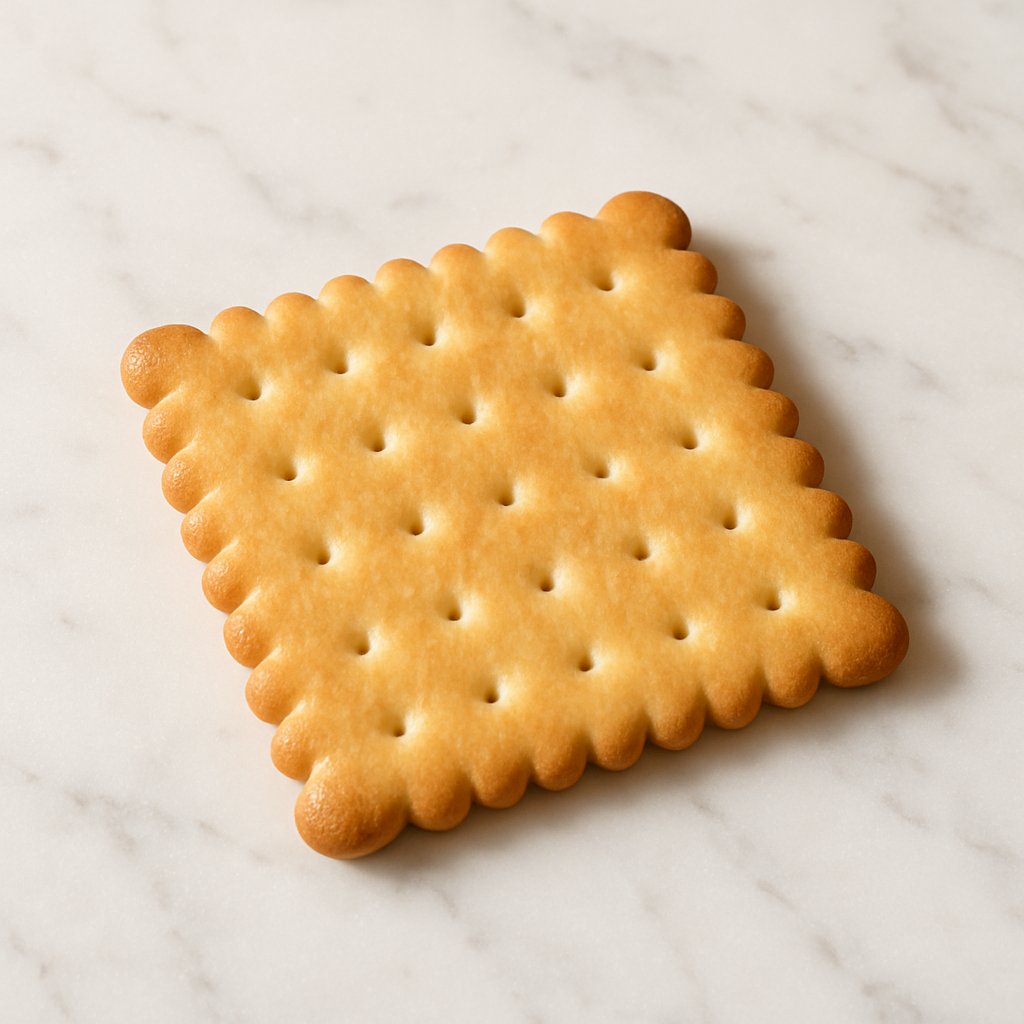
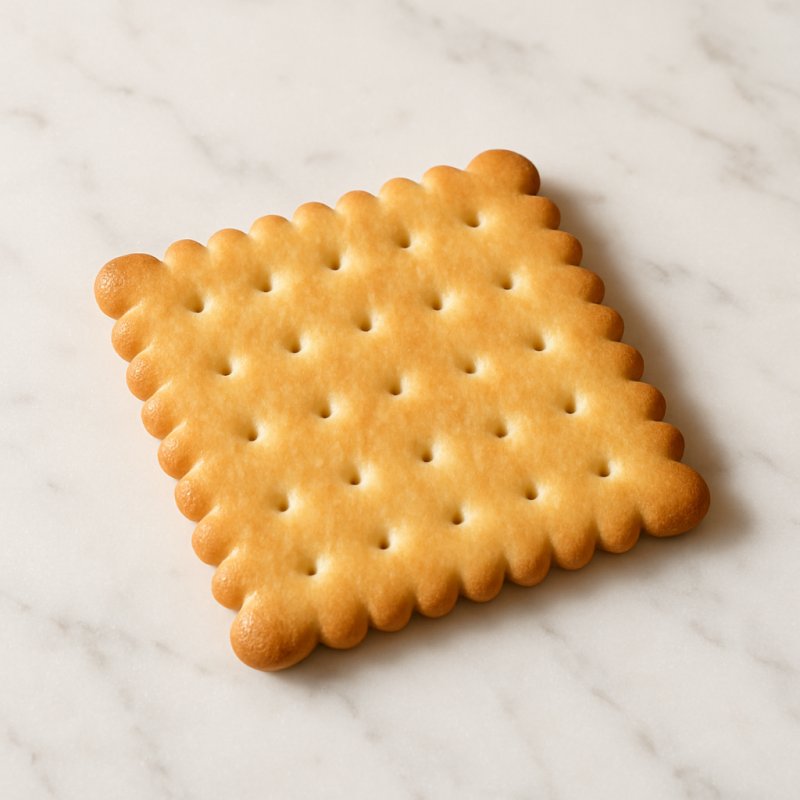
Butter biscuits are crunchy, usually rectangular or round biscuits that you can find almost everywhere in supermarkets, bakeries and small shops. They are popular because they taste mild, buttery and not too sweet. You can eat them plain, with jam, spread with Nutella or use them in desserts. Their simple flavor pairs well with many dishes and drinks like milk, tea or cocoa.
Origin
Butter biscuits originally come from Europe. The name is straightforward: they contain butter, which gives them their characteristic flavor and tender texture. In the past biscuits were often simple, long-lasting bread substitutes for travel. Over time these simple baked goods became the butter biscuits known today, enjoyed in households around the world. You can imagine it like this: earlier biscuits were like quickly drying slices of bread, later they became finer and more buttery — out of that came butter biscuits.
Butter biscuits originally come from Europe. The name is straightforward: they contain butter, which gives them their characteristic flavor and tender texture. In the past biscuits were often simple, long-lasting bread substitutes for travel. Over time these simple baked goods became the butter biscuits known today, enjoyed in households around the world. You can imagine it like this: earlier biscuits were like quickly drying slices of bread, later they became finer and more buttery — out of that came butter biscuits.
Growing/production areas (key ingredients)
A butter biscuit is made from flour, sugar, butter or margarine, salt and sometimes eggs. The main ingredients come from different regions:
A butter biscuit is made from flour, sugar, butter or margarine, salt and sometimes eggs. The main ingredients come from different regions:
- Wheat/Flour: Flour is made from wheat. Wheat is grown in many countries such as Germany, France, the USA, Canada, Russia and Australia. You can picture wheat fields as large golden meadows that ripple in the wind in summer.
- Butter/Margarine: Butter is made from milk that comes from cows. Milk and therefore butter are produced worldwide, often in areas with many pastures for cows, e.g., in Europe, North America or New Zealand. Margarine is a plant-based alternative and can be made from various vegetable oils such as sunflower or rapeseed oil.
- Sugar: Sugar can be obtained from sugar beets (in cooler countries like parts of Europe) or sugar cane (in warmer regions like Brazil or India).
Available varieties and variants
Butter biscuits come in many variants. Here are the most common, briefly explained:
Butter biscuits come in many variants. Here are the most common, briefly explained:
- The classic butter biscuit: Simple, buttery, not too sweet. Often rectangular with holes or embossing. It tastes neutral and is good for dipping in milk.
- Wholegrain butter biscuit: Made with wholemeal flour. It looks slightly darker and has a mildly nutty taste. Wholegrain means more parts of the grain are used, so it is “heartier” than the pale biscuit.
- Chocolate coated: Sometimes butter biscuits are half or fully coated in chocolate. It’s like turning the biscuit into a small chocolate cake.
- Filled or with cream: There are variants with a thin layer of vanilla or chocolate cream in the middle. It’s like a sandwich: two biscuits with a tasty filling between them.
- Without butter / vegan variants: For people who don’t eat animal products, there are biscuits based on margarine or vegetable oils. They taste similar but are made without dairy.
- With flavors or spices: You can also find butter biscuits with lemon, vanilla or cinnamon flavor. These give the biscuit a special note, like a small extra spice in a dish.
In summary, butter biscuits are very easy to find and available in many variants. Whether you’re looking for the classic biscuit, a chocolate version or a vegan alternative — there’s usually something for every taste. They are a flexible snack that brings pleasure both plain and as part of cakes and desserts.