Menu & categories

Brie

Creamy soft cheese with a white noble mold

Wiki about brie Nutri-Score D Vegan No Gluten-free Yes Lactose-free No Nut-free Yes
NUTRITION / 100 g
334 kcal 20.0 g Protein 0.5 g Kohlenhydrate 28.0 g Fett

Introduction

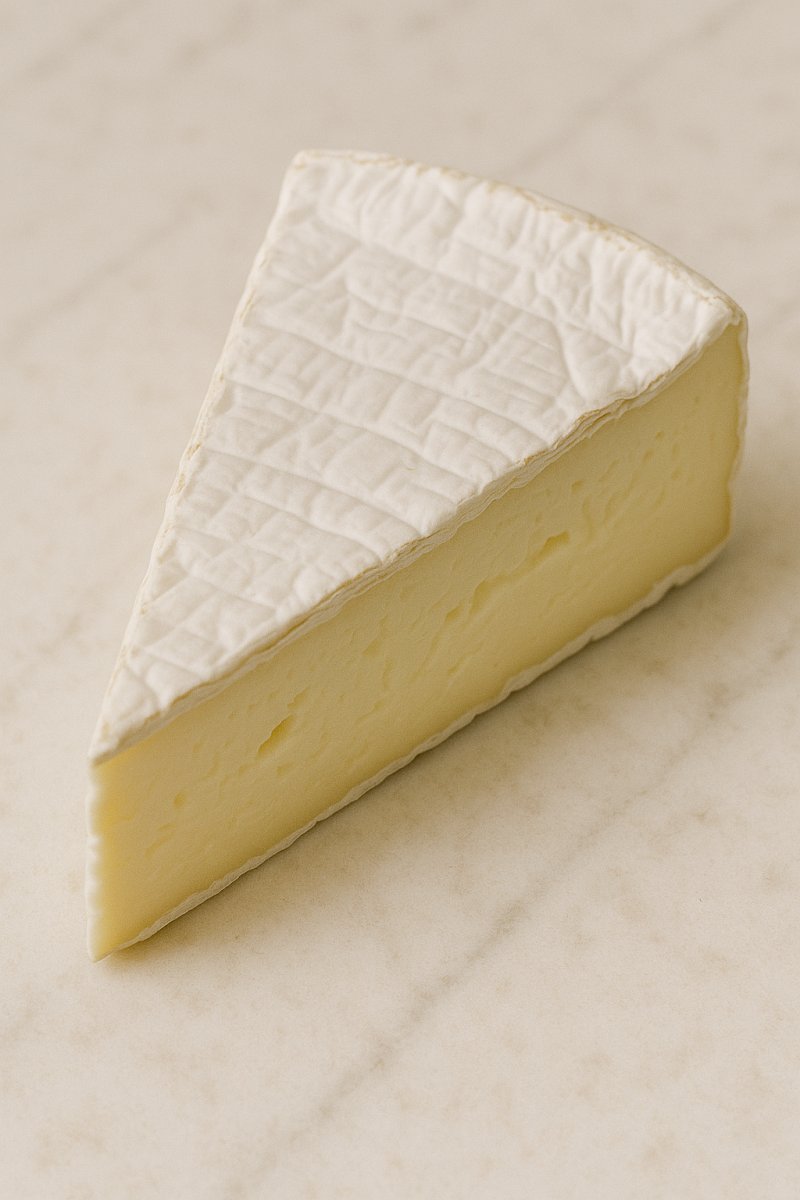
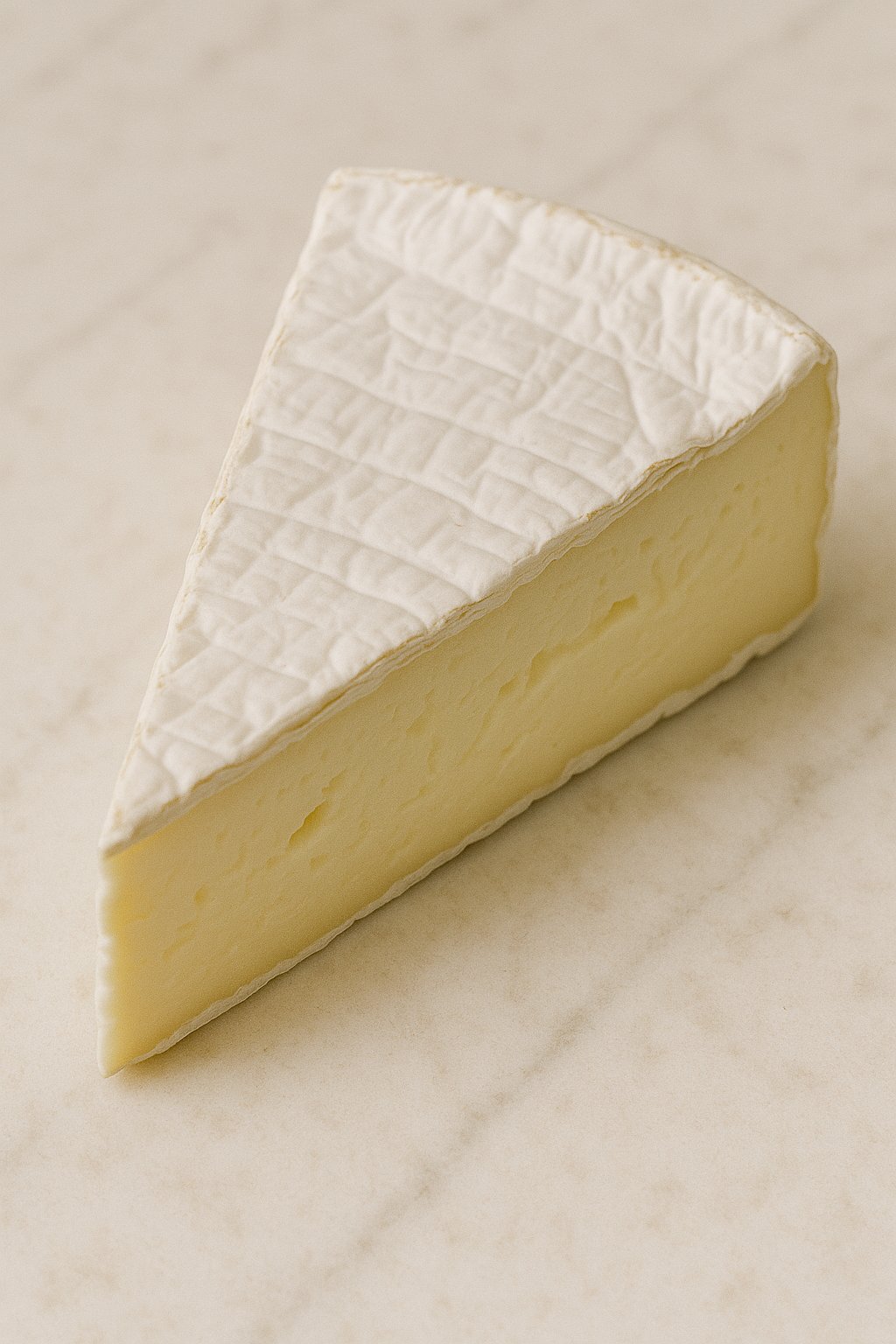
A piece of Brie cheese with a white rind on a wooden board
I remember the first bite of Brie that changed my idea of cheese forever. It was at a small market near a river, where a vendor wrapped a piece in paper and smiled as he said: 'Try this, it's still almost warm.' The velvety core, the floral rind and that gentle, almost floral aroma made me reach for Brie at every opportunity from that moment on.

Brie is a soft, white‑mold cheese originally from the French region of Brie, but today enjoyed worldwide. Its texture ranges from delicate and almost creamy to firm yet still supple, depending on ripeness. The flavor varies between mild, milky notes and more complex, nutty or fungal tones when the cheese is aged longer. This adaptability makes Brie a versatile companion in the kitchen.

I've enjoyed Brie in so many situations: as an uncomplicated party snack with crusty baguette, in a warming skillet with honey and rosemary, or as a surprising element in sweet‑and‑sour combinations with quince jelly. A colleague of mine was once skeptical until I handed him baked Brie with walnuts; his face when the cheese stretched and the nuts cracked was priceless.

For me, enjoying Brie also includes the ritual of cutting it. Sometimes I make a small cross on top so the aroma can escape, or I serve it in pieces so guests can try different ripeness levels. When shopping I pay attention to appearance and smell: an even white rind without dark spots and a pleasant, not overpowering scent are good signs.

Brie pairs wonderfully with a range of drinks and side items. I like to pair it with:

  • fresh baguette or crispy crackers
  • fruity companions like pears, figs or quince
  • toasted nuts, especially hazelnuts and walnuts
  • light white wines, Champagne or even a fruity cider
In conclusion: Brie is for me more than just a cheese. It is a small culinary experience that invites table conversations, cozy evenings and surprising flavor combinations. Every time I open a piece, I look forward to the story hidden beneath its rind.

Availability & types

Availability and types of Brie

Brie is a soft, creamy cheese from France, popular around the world. If you wonder where Brie comes from, the answer is straightforward: it originally comes from the Brie region near Paris. It's like apples: some varieties are named after the place where they were first grown. For Brie the name stuck as the cheese type, even though many different places now produce it.

Where to find Brie
Brie can be found in almost every supermarket and in many cheese shops. It is produced not only in France but also in countries like Germany, the Netherlands, the USA and even Australia. In supermarkets you often find commercial packs with small round wheels. In cheese shops or at farmers' markets there are sometimes special varieties that are fresher or more mature. Young Brie is milder, aged Brie has a more intense flavor — it's similar to bananas: green ones are firmer and milder, yellow and brown ones are sweeter and softer.

Types and varieties
There are different kinds of Brie that vary in taste, size and production method. Here are the main types, explained for a younger audience:

  • Traditional Brie (e.g. Brie de Meaux, Brie de Melun): These varieties come from France and even have special protection so that only cheese from certain places may use the genuine name. They are often very creamy and have a more pronounced flavor.
  • Commercial Brie: The best-seller at supermarkets. It is mild, slightly creamy and inexpensive. Many families enjoy this variety on bread or with fruit.
  • Young Brie: Freshly made it tastes mild and almost milky. This is good if you prefer gentler aromas or want Brie that does not smell strongly yet.
  • Aged Brie: When Brie is stored longer, it becomes softer and develops a more intense flavor. Sometimes the core becomes very runny and creamy — cheese lovers find this particularly delicious.
  • Ripened or flavored variants: Some Bries are enhanced with herbs, pepper, truffle or other ingredients. It's like chips with different flavors — the base is the same, but the added aromas change the taste.
  • Vegan Brie: For people who don't eat animal products, there are now also 'Brie' versions made from plant-based ingredients like nuts or soy. They try to be creamy and soft like real Brie but are made without milk.
How availability changes
Availability often depends on season, production and demand. Some authentic specialty Bries from certain regions are not available year-round in large quantities because they are traditionally produced. Commercial Brie, however, is easy to obtain throughout the year. At markets or delicatessens you are more likely to find rare pieces or especially mature ones.

Tips for buying
If you want to buy Brie, check the expiration date and whether the cheese is soft or firmer — this shows how ripe it is. Trying different varieties will quickly show you which you like best: some prefer the mild everyday Brie, others prefer the more intense traditional varieties. And as with many foods: fresh often tastes best.

In summary: Brie is available worldwide, originates from a French region and comes in many variants — from mild and young to strong and aged, even as a vegan version. So there is a Brie variant for every taste.
Details & nutrition

Property Value
Unit g
Average weight per piece 30
Calories per 100 334
Protein per 100 20.0
Carbohydrates per 100 0.5
Sugar per 100 0.1
Fat per 100 28.0
Saturated fat per 100 17.0
Monounsaturated fat 8.0
Polyunsaturated fat 1.0
Fiber per 100 0
Vitamin C (mg) per 100 0
Vitamin D (IU) per 100 40
Calcium (mg) per 100 180
Iron (mg) per 100 0.5
Nutri-Score D
CO₂ footprint 9.0
Origin France / Europe
Gluten-free Yes
Lactose-free No
Nut-free Yes
Vegan No
Note Nutritional values refer to classic Brie made from cow's milk with approx. 28 % fat by weight (approx. 50 % fat in dry matter). May contain traces of other allergens depending on production and ripening.

Technical & scientific information

Brie is a soft, white‑mold‑ripened cow's‑milk cheese of French origin, characterized by a creamy texture and a mild‑aromatic to mildly piquant flavor. Classic Brie is made from pasteurized or thermized cow's milk; its microbiological and sensory expression depends on parameter combinations such as milk quality, culture selection, ripening time and storage conditions. The characteristic white rind develops through the application of Penicillium camemberti or related molds, which grow on the surface and secrete proteolytic and lipolytic enzymes.

Manufacturing process: After heating and adding mesophilic lactic acid bacteria and rennet, the milk is coagulated. The resulting curd is gently cut or partly left undisturbed, then placed into molds and lightly pressed. Salting follows by dry salting or brine bath, followed by inoculation with molds and a ripening phase in climate‑controlled rooms (typically at 10–14 °C and high humidity). During ripening enzymes diffuse from rind and interior, breaking down proteins and fats; this leads to softening and the characteristic aroma profile.

Chemical composition and nutritional values: Brie consists mainly of water and fat‑soluble components. Typical nutritional values per 100 g are about 330–360 kcal, 25–30 g fat (of which saturated fatty acids about 16–20 g), 18–21 g protein and 0.8–2 g carbohydrates (mainly lactose residues, significantly lower depending on ripening). Minerals such as calcium (approx. 400–700 mg/100 g), phosphorus and sodium are present; Brie also provides fat‑soluble vitamins, particularly vitamin A and to a lesser extent vitamin D, as well as B‑vitamins like B12.

Biochemical processes during ripening: Proteolysis and lipolysis are the dominant reactions. Proteases from the milk, enzymes of the cultures and of the molds break down caseins into peptides and amino acids, causing texture liquefaction and a diversity of flavors. Lipases hydrolyze triacylglycerides into free fatty acids, which serve as precursors for volatile aroma compounds (methylketones, esters, aldehydes). Additionally, microbial metabolism and microecological interactions between bacteria and fungi contribute to the development of secondary aromas.

Microbiology and safety: The starter cultures used (mesophilic lactococci) initially dominate the pH course, suppressing pathogens. Nevertheless raw‑milk Brie carries an increased microbiological risk for agents such as Listeria monocytogenes or certain Enterobacteriaceae, which is why some countries require or recommend pasteurization. The external white mold rind forms a barrier, but improper ripening can still allow contaminations. Therefore specific consumption restrictions often apply to immunocompromised individuals, pregnant women and elderly people.

Sensorics and application: Aroma and flavor notes range from milky‑creamy and fresh to nutty, fungal or slightly ammoniacal at advanced stages of ripening. Texture varies from sliceable in the core to buttery near the rind. Brie is consumed plain, on bread, in warm preparations or as part of cheese platters. Due to its fat content it melts well and pairs with sweet accompaniments like fruit or honey.

Nutritional aspects: As an energy‑dense food, Brie provides concentrated amounts of protein and calcium, but can quickly increase calorie and fat intake because of its high share of saturated fatty acids and sodium. In moderate amounts Brie is a source of essential amino acids and bioavailable calcium. For people with lactose intolerance mature Brie may be more tolerable, since lactose is degraded during ripening; however this is individually variable.

Storage and shelf life: Brie should be stored cool (about 4–8 °C) and in a breathable environment, preferably in paper rather than airtight plastic, to allow rind respiration. Cut surfaces dry out faster; therefore a whole wheel stays fresh longer. If optimal limits are exceeded, excessive ammonia odor or undesirable mold growth can occur, indicating microbial spoilage.

Wiki entry for: brie
Active now: 18 visitors of which 2 logged-in members in the last 5 minutes