Menu & categories

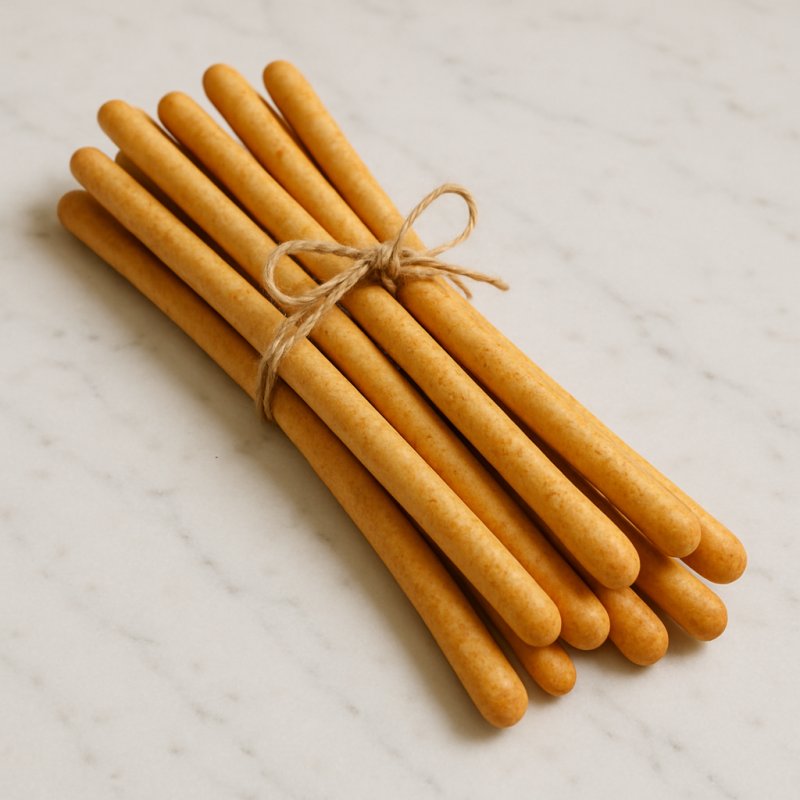
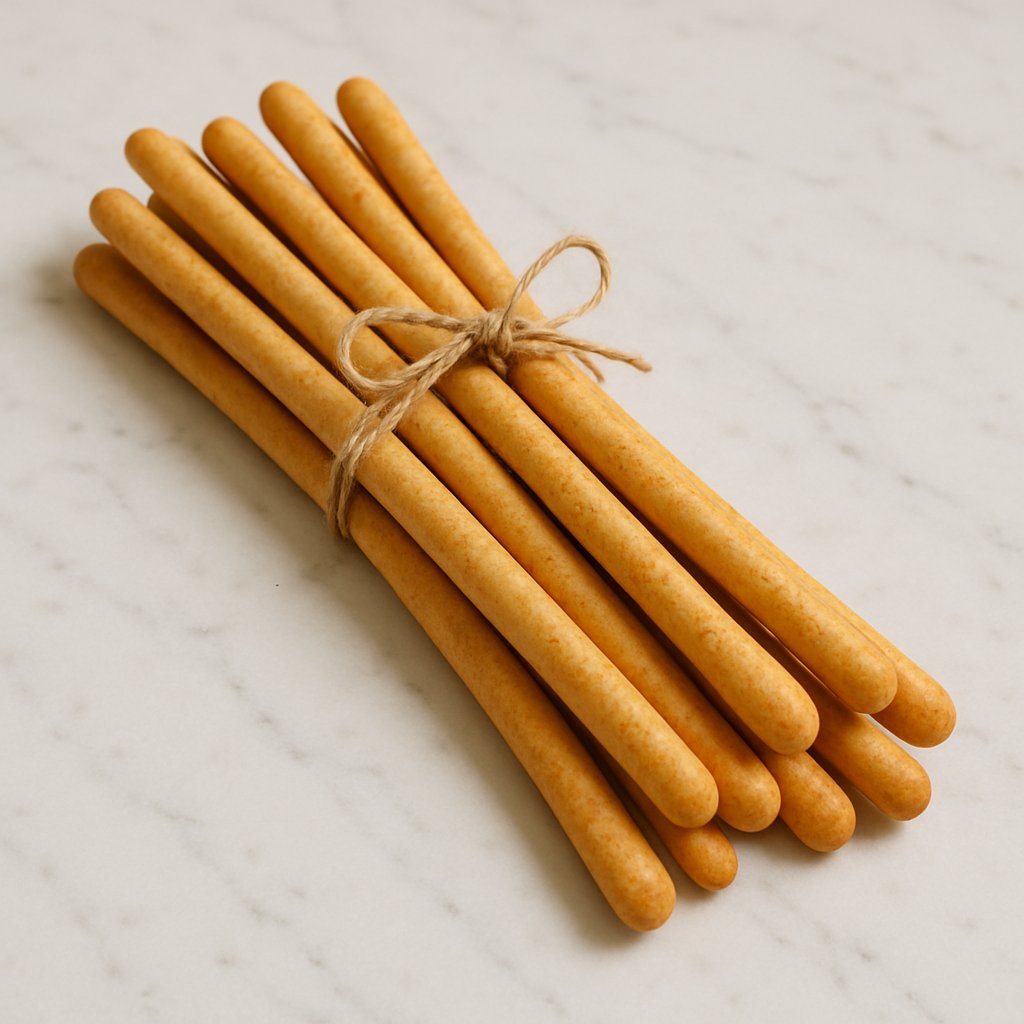
Grissini

Crispy Italian breadsticks

Wiki about breadstick Nutri-Score B Vegan Yes Gluten-free No Lactose-free Yes Nut-free Yes
NUTRITION / 100 g
400 kcal 9 g Protein 75 g Kohlenhydrate 6 g Fett

Introduction

Grissini - crispy Italian breadsticks
I still remember well my first encounter with grissini. It was at an Italian restaurant a colleague had recommended to me. I was skeptical when he praised these long, thin breadsticks to me, calling them the ultimate snack. But when I took the first bite, I was immediately delighted. The crunchy texture and delicate flavor, slightly salty and with a hint of olive oil, sweetened my evening. From that moment, grissini are for me more than just a snack – they are a piece of Italian lifestyle.

Grissini are not only found in Italian cuisine but have made a name for themselves worldwide. These crispy breadsticks originally come from the Piedmont region and are traditionally served as an aperitif or as an accompaniment to antipasti. They are often refined with various spices or ingredients, such as rosemary, sesame or parmesan, which makes them a versatile snack that easily adapts to any occasion.

I love baking grissini myself. Making the perfect dough is a little art. Once I tried to create a dough with herbs from my garden. The result was fabulous, but I must admit I turned the kitchen into a little chaos a few times. The dough was everywhere – on the walls, on the floor and even in my hair. Still, the laughter with friends while baking was priceless. Grissini can simply bring joy, whether when cooking or enjoying them.

  • Versatile: Grissini go with almost everything – from dips to cheese platters to salads.
  • Easy to make: With the right ingredients and some patience anyone can bake them themselves.
  • A highlight: They are the perfect snack for parties or cozy evenings at home.
I can't wait to plan my next grissini session and perhaps try a few new flavors. Maybe I'll experiment with a touch of lemon or chili to give them an exciting note. The possibilities are endless and I look forward to sharing my creations with friends. So next time you look for a snack that is both delicious and fun, reach for grissini. They not only bring Italian flair to the table but are also a real treat for the senses.

Availability & types

Grissini are crispy breadsticks originating in Italy. They are not only tasty but also very versatile. In this section we will take a closer look at the availability and types of grissini so you understand what makes them so special.

The story of grissini begins in the city of Turin, where they were invented in the 17th century. At that time they were created for sick people who needed an easily digestible bread. The long, thin shape of the grissini made them easy to eat and transport. Today grissini are found not only in Italy but around the world!

Grissini are primarily produced in Italy, but other countries also have their own versions. In Germany, Austria and Switzerland they are also very popular and often available in supermarkets or delicatessens. The availability of grissini is now very high. You can find them in various shops and markets:

  • In large supermarkets in the bakery aisle
  • In Italian delicatessens
  • In online shops, where you can even order them in different flavors
Grissini come in many kinds and variations. Here are some of the most common types you may encounter:

  • Classic grissini: These are simple and made from flour, water, yeast and salt. They are lightly salted and perfect for dipping in oil or vinegar.
  • Sesame grissini: This variant has a crunchy layer of sesame seeds that gives them a nutty flavor. They are especially tasty!
  • Olive oil grissini: These grissini are made with olive oil, which gives them a rich flavor. They are often a bit softer and very aromatic.
  • Spiced grissini: These are grissini flavored with various spices such as rosemary, thyme or paprika. They are ideal if you like them a bit spicier.
  • Whole grain grissini: This healthier variant is made from wholemeal flour and contains more fiber. They are slightly darker and have a heartier flavor.
Grissini are not just a snack between meals but also a great accompaniment to many dishes. You can serve them with soups, salads or even with cheese platters. They are perfect for parties or simply to share with friends.

In summary, grissini are a delicious and versatile ingredient from Italy, available in many varieties and flavors. From classic and sesame-coated to spiced and whole grain versions – there's something for every taste! That makes them a popular snack for young and old alike.
Details & nutrition

Property Value
Unit g
Average weight per piece 5
Calories per 100 400
Protein per 100 9
Carbohydrates per 100 75
Sugar per 100 1
Fat per 100 6
Saturated fat per 100 1
Monounsaturated fat 2
Polyunsaturated fat 1
Fiber per 100 3
Vitamin C (mg) per 100 0
Vitamin D (IU) per 100 0
Calcium (mg) per 100 10
Iron (mg) per 100 1
Nutri-Score B
CO₂ footprint 0.5
Origin Italy
Gluten-free No
Lactose-free Yes
Nut-free Yes
Vegan Yes
Note Ideal as a snack or with antipasti.

Technical & scientific information

Grissini are thin, crispy breadsticks that originate in Italy. They are not only a popular snack or accompaniment to various dishes, but also an interesting example of the diversity of baking. The production of grissini is simple, yet the chemical and physical processes that occur during baking are complex and fascinating.

Composition and ingredients

The main components of grissini are:

  • Flour: Typically wheat flour is used, which is rich in gluten. Gluten is a protein responsible for the elasticity and structure of the dough.
  • Water: Water is crucial for hydrating the flour and activating enzymes that support the fermentation process.
  • Salt: Salt not only improves flavor but also has a concentration-regulating effect on yeast and gluten.
  • Yeast: Fresh or dry yeast is used to leaven the dough, resulting in a lighter structure.
  • Oil: Olive oil is often the preferred choice, as it gives grissini flavor and improves texture.
Nutritional values

Grissini are relatively low in calories and typically contain:

  • Calories: approx. 400-500 kcal per 100 g
  • Fat: 10-20 g (depending on the amount of oil used)
  • Carbohydrates: 70-80 g, mainly in the form of starch
  • Protein: 8-12 g, depending on the type of flour
It is important to note that nutritional values can vary depending on the recipe and ingredients. Grissini are a source of complex carbohydrates and, when consumed in moderation, provide a quick source of energy.

Processing methods

The production of grissini can be divided into several steps:

  1. Dough preparation: The ingredients are mixed in a bowl until a homogeneous dough is formed. This can be done by hand or with a mixer.
  2. Fermentation: The dough is left to rest in a warm place so that the yeast can work. This leads to a loosening of the dough.
  3. Shaping: After the fermentation time the dough is rolled out and cut into thin strips. These are then shaped into the desired form.
  4. Baking: The shaped grissini are baked at a high temperature, which develops a crispy texture and a golden brown color.
Health aspects

Grissini can, when enjoyed in moderation, be part of a balanced diet. They are low in fat and contain no trans fats, provided they are made with high-quality ingredients. However, the high proportion of carbohydrates makes them less suitable for people with certain metabolic conditions, such as diabetes.

Wiki entry for: breadstick
Active now: 15 visitors of which 2 logged-in members in the last 5 minutes