Availability and types of bread dough
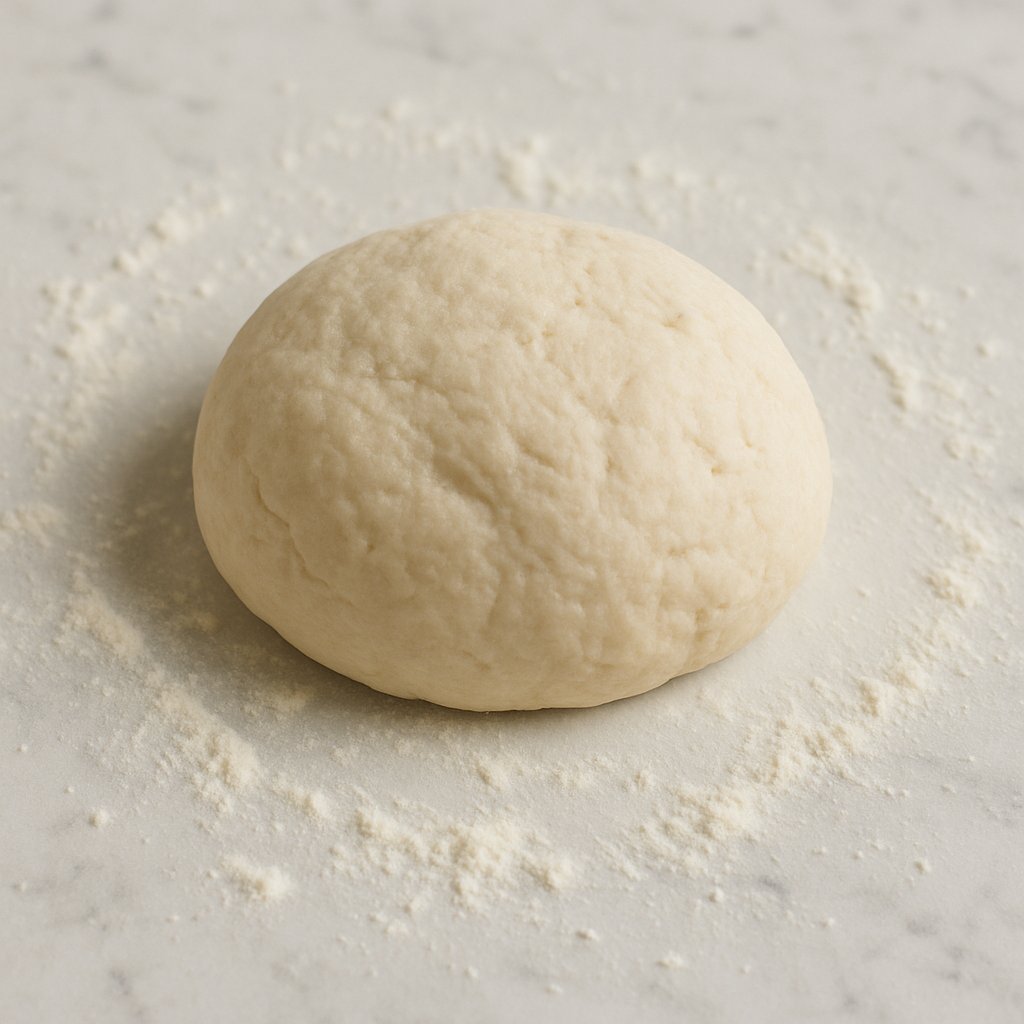
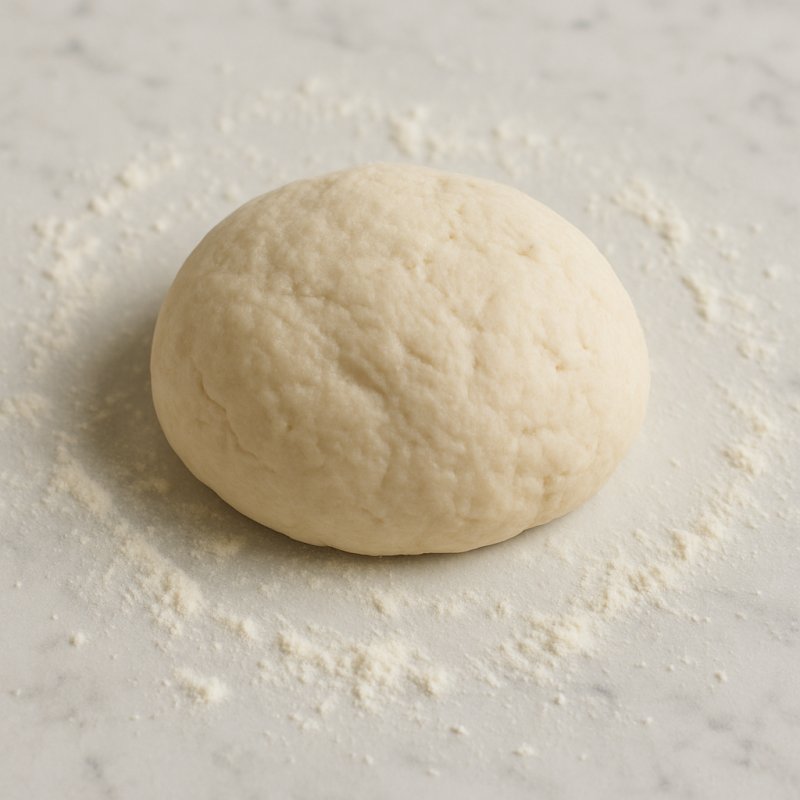
Bread dough is the mixture from which bread is made. It is easy to obtain everywhere and can be made in many ways. The basic ingredients are simple: flour, water, yeast or sourdough and sometimes salt. Where the flour comes from often determines the taste and type of bread.
Origin and cultivation areas
The most important flour for bread dough usually comes from wheat or rye. These cereals grow in fields in many countries. In Europe, North America and parts of Asia there are large wheat fields. Rye likes to grow in cooler regions such as northern and eastern Europe. But there are also other cereals like barley, oats or spelt, which are cultivated in specific regions. Farmers sow the grains in spring or autumn, tend the fields and harvest them when the grains are dry and ripe. The harvested grains are milled into flour that then goes to bakeries or supermarkets.
The most important flour for bread dough usually comes from wheat or rye. These cereals grow in fields in many countries. In Europe, North America and parts of Asia there are large wheat fields. Rye likes to grow in cooler regions such as northern and eastern Europe. But there are also other cereals like barley, oats or spelt, which are cultivated in specific regions. Farmers sow the grains in spring or autumn, tend the fields and harvest them when the grains are dry and ripe. The harvested grains are milled into flour that then goes to bakeries or supermarkets.
Available varieties of bread dough
Bread dough comes in many different varieties because people like to bake different breads. Here are some simple examples you often find:
Bread dough comes in many different varieties because people like to bake different breads. Here are some simple examples you often find:
- Wheat dough: A soft dough used for light breads and rolls. It has a mild flavor and is well suited for sandwiches.
- Rye dough: Somewhat denser and stronger in flavor. Rye breads are often darker and keep fresh longer.
- Whole grain dough: Contains the whole grain, i.e. the bran and germ. That makes the bread nuttier and healthier because it contains more fiber.
- Spelt dough: Made from spelt flour. Many find it easier to digest than regular wheat dough and the taste is slightly nutty.
- Sourdough: A special dough that rises without added yeast. Instead, natural lactic acid bacteria and wild yeasts are responsible. Sourdough breads have a slightly sour, intense flavor.
- Gluten-free doughs: For people who cannot tolerate gluten, there are doughs made from rice, corn or buckwheat flour. They behave differently when baking but taste good.
Variants and finished products
You can make bread dough yourself, but there are also many ready-made variants in stores. Some are fresh and come from the bakery, others are frozen or in packages for ready baking. Here are some examples:
You can make bread dough yourself, but there are also many ready-made variants in stores. Some are fresh and come from the bakery, others are frozen or in packages for ready baking. Here are some examples:
- Fresh dough from the baker: Often already stretched and good for baking the same day. It has good flavor and is easy to shape.
- Pre-made mixes / baking mixes: Dry mixes to which only water or milk must be added. They are practical when you need speed.
- Frozen dough: This dough is already prepared and can be thawed and baked. It is practical for home use.
- Pre-fermented dough: Doughs that were allowed to rise for a long time before they were sold. They often have more flavor because the ingredients had more time to combine.
In summary: bread dough is versatile and available in many variants. Whether you want a light wheat roll, a strong rye bread or a gluten-free loaf — there is almost always a suitable variety. The most practical thing is that bread dough can be found both fresh at the baker and as a ready product in the supermarket, so everyone can easily choose something suitable.