Availability and types of Blaukraut/Rotkohl
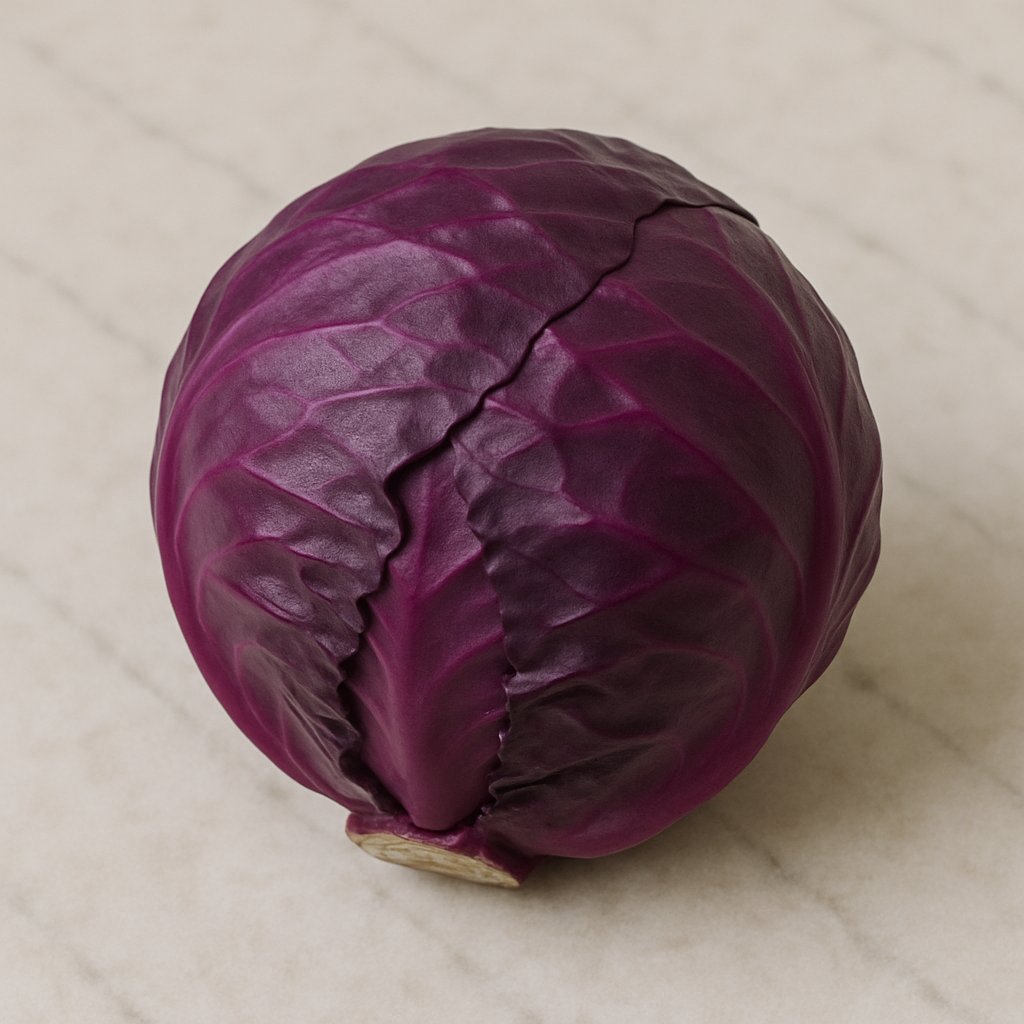
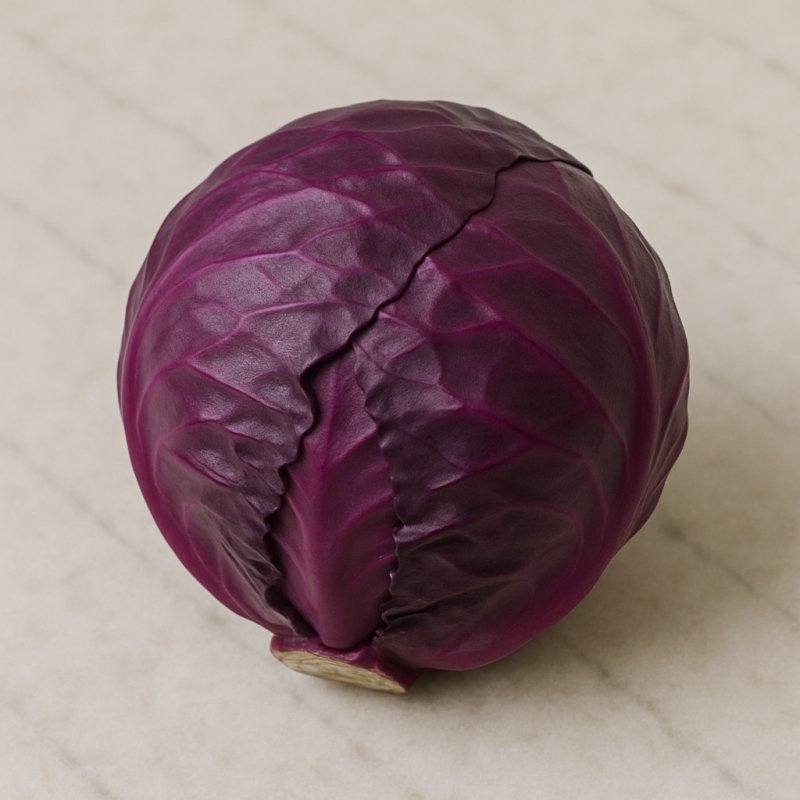
Blaukraut, also called red cabbage, is a heading cabbage with strong violet-red leaves. It belongs to the large family of cabbage types. If you shop at the supermarket or market, you will find red cabbage almost all year round. This is because it is very storable. Freshly harvested it is primarily available in late summer and autumn into the winter. Afterwards, storage stock often enters the market, remaining fresh for months in cool, dark rooms. Thus it is almost always available – as whole heads, sliced, pickled or frozen.
Origin
Red cabbage originally descends from wild cabbage species that grew on the coasts of western Europe. Over many centuries it was bred and spread in Europe and became particularly common in Germany, the Netherlands, Poland, the Czech Republic and Scandinavia. Today red cabbage is grown in many temperate countries because it is cold-tolerant and thrives at low temperatures. In Germany it is counted among classic winter vegetables and is a staple of many regional cuisines.
Red cabbage originally descends from wild cabbage species that grew on the coasts of western Europe. Over many centuries it was bred and spread in Europe and became particularly common in Germany, the Netherlands, Poland, the Czech Republic and Scandinavia. Today red cabbage is grown in many temperate countries because it is cold-tolerant and thrives at low temperatures. In Germany it is counted among classic winter vegetables and is a staple of many regional cuisines.
Why is it sometimes blue and sometimes red?
The intriguing thing about Blaukraut is its color. It is determined by pigments called anthocyanins. These react to the acidity of a dish: if the food is acidic (for example from apple, vinegar or lemon), the cabbage appears more reddish. If it is rather neutral or slightly basic (for example with some baking soda or in very soft water), it appears bluish to violet. That is why it is called Blaukraut in some regions and Rotkohl in others – both are correct!
The intriguing thing about Blaukraut is its color. It is determined by pigments called anthocyanins. These react to the acidity of a dish: if the food is acidic (for example from apple, vinegar or lemon), the cabbage appears more reddish. If it is rather neutral or slightly basic (for example with some baking soda or in very soft water), it appears bluish to violet. That is why it is called Blaukraut in some regions and Rotkohl in others – both are correct!
Types and varieties
Red cabbage exists in different varieties that differ in size, color, shape and maturity time. Some varieties are intended for fresh consumption, others for storage or preserving.
Red cabbage exists in different varieties that differ in size, color, shape and maturity time. Some varieties are intended for fresh consumption, others for storage or preserving.