Menu & categories

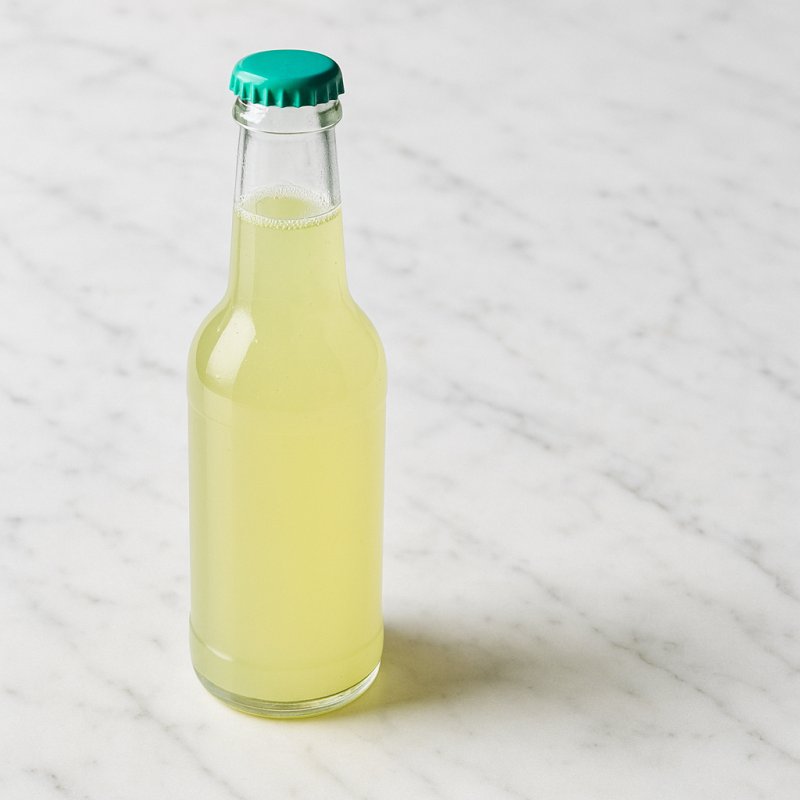
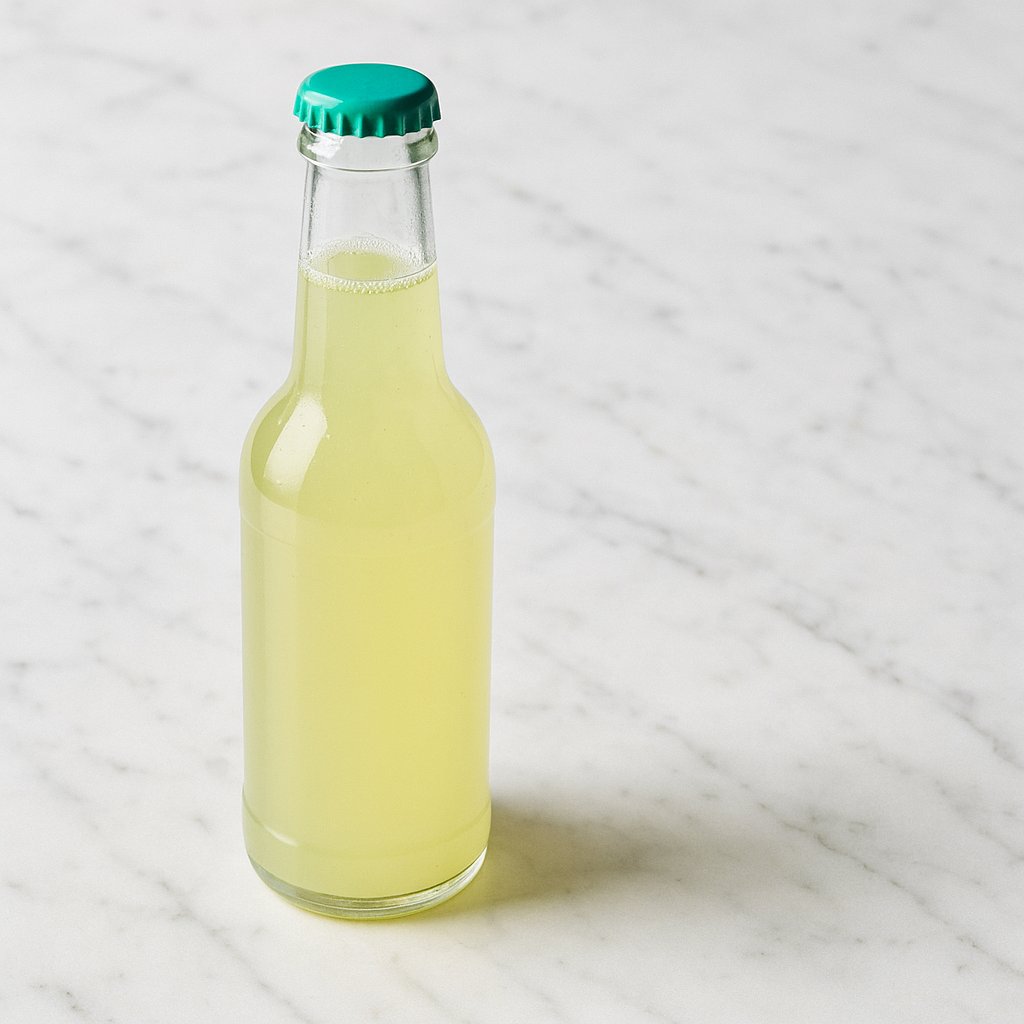
Bitter Lemon

Refreshing, slightly bitter lemon-flavored soft drink with quinine.

Wiki about bitter lemon Nutri-Score D Vegan Yes Gluten-free Yes Lactose-free Yes Nut-free Yes
NUTRITION / 100 ml
40 kcal 0 g Protein 9.8 g Kohlenhydrate 0 g Fett

Introduction

Glass of Bitter Lemon with ice and a lemon slice
I have a weakness for drinks that seem contradictory at first sip, and Bitter Lemon is one of my favorite contradictions. It's that fizzy, lemony drink with a surprising, slightly tart-bitter note that comes from quinine. It's not just a simple thirst-quencher; to me Bitter Lemon is a small, complicated character on the drinks menu that fits both a summer picnic and an elegant aperitif.

I still remember a hot afternoon in a little street-café corner where a glass of Bitter Lemon sat next to a plate of seafood and the lemon's acidity balanced the earthiness of the anchovies in a way I hadn't expected. A colleague jokingly called it "lemon with experience," and the phrase stuck, because Bitter Lemon really exudes something mature, almost grown-up.

What makes this drink so exciting are the contrasts. On one hand there are fresh citrus aromas, on the other the slightly bitter quinine aroma and a discreet sweetness that holds everything together. This mix makes Bitter Lemon versatile:

  • As a solo drink – ice-cold with a slice of lemon.
  • As a mixer – in cocktails, especially in combination with gin or light rum.
  • With food – pairs surprisingly well with salty snacks, seafood and spicy tapas.
When I open a bottle at home, I prefer to fill a glass with lots of ice and a spiral zest so the essential oils of the peel can meld with the drink. Sometimes I also experiment with a hint of rosemary or a splash of tonic to nuance the bitterness. For people who avoid bitter notes, Bitter Lemon may be a challenge, but it's precisely that challenge that makes it interesting to me.

In the end what I like about Bitter Lemon is that it's not a drink you sip casually. It demands attention, stimulates the palate and tells small flavor stories with every sip.

Availability & types


Bitter Lemon is actually a carbonated mixed drink that is often used as an ingredient in cocktails or consumed plain as a refresher. When we talk about availability and types we mean where to get it and which variants exist. I'll explain it in an easy-to-understand way.

Origin
Bitter Lemon was originally developed by large beverage manufacturers as a mixer. The bitter taste usually comes from cinchona- or quinine-like substances — a bitter compound from the bark of certain trees that was originally discovered in the Andes of South America. Added to that are lemon juice or lemon flavors, sugar and carbonation. You can think of Bitter Lemon a bit like citrus-forward lemonade with a tart, slightly medicinal edge — not sweet like cola, but fresh and gently bitter.

Growing regions of the ingredients
The main raw materials come from different regions:

  • Lemons: mostly grow in the Mediterranean (e.g. Spain, Italy), California, South America, South Africa and Australia. Lemons like warm climate and plenty of sun.
  • Chinchona/Quinine: originally from South America (Andes). Today quinine is manufactured industrially or replaced by other bitter plant substances. These are often found in tropical areas or as processed products in factories.
  • Sugar or sweeteners: come from sugarcane or sugar beet grown worldwide.
Available types and variants
Bitter Lemon exists in many forms — similar to how clothing has different styles. Here are some common types:

  • Industrial brands – big companies like Schweppes or other brands sell classic Bitter Lemon in bottles or cans. These are easy to find in supermarkets.
  • Zero / Light variants – for people who want less sugar. They use artificial sweeteners instead of sugar and usually taste lighter.
  • Craft-/premium mixers – smaller companies make Bitter Lemon with natural ingredients, less sugar and a more intense flavor. These are often available in delicatessens or online.
  • Syrups and concentrates – concentrated syrups mixed with water or soda water. Good for DIY because you can set the sweetness yourself.
  • Flavor variants – e.g. with grapefruit, ginger, herbs or flowers like elderflower. These give an extra flavor kick.
  • Organic variants – made with organic ingredients. That means the plants were grown without certain chemicals.
Where to get Bitter Lemon?
- Supermarkets and beverage departments are the easiest source.
- Beverage specialty shops and liquor stores often carry premium mixers.
- Online shops offer a wide selection, including international brands.
- At weekly or farmers' markets you can sometimes find handmade syrups or local versions.

When choosing Bitter Lemon, think of shoes: for everyday use the standard brand is sometimes enough; for special occasions or cool cocktails you may want to try a premium or handmade version. This way you can easily find the variant that suits your taste.
Details & nutrition

Property Value
Unit ml
Calories per 100 40
Protein per 100 0
Carbohydrates per 100 9.8
Sugar per 100 9.8
Fat per 100 0
Saturated fat per 100 0
Monounsaturated fat 0
Polyunsaturated fat 0
Fiber per 100 0
Vitamin C (mg) per 100 0
Vitamin D (IU) per 100 0
Calcium (mg) per 100 2
Iron (mg) per 100 0
Nutri-Score D
CO₂ footprint 0.07 kg CO2e/100 ml
Origin Europe (depending on manufacturer)
Gluten-free Yes
Lactose-free Yes
Nut-free Yes
Vegan Yes
Note Typically a sweetened soft drink with lemon flavoring and quinine; nutritional values may vary by brand.

Technical & scientific information


Bitter Lemon refers to a carbonated lemon-based refreshment preparation that is characteristically distinctly bitter. This bitterness results primarily from the addition of quinine (an alkaline bitter compound) or comparable bitter substances as well as from aromatic components of the lemon peel. Bitter Lemon is used both as a finished beverage and as a mixer for alcoholic drinks and differs tastewise from normal lemonades by its bitter-citrus profile.

Typical composition and ingredients
The composition varies by manufacturer, but usually contains the following components:

  • Carbonated water as the base.
  • Sweeteners, e.g. sucrose, glucose syrups or in diet variants synthetic sweeteners like aspartame, acesulfame K or sucralose.
  • Lemon juice concentrate and/or lemon oil from the peel, which contains terpenes such as limonene.
  • Quinine in low concentrations as a source of bitterness; alternatively plant bitter extracts are used.
  • Regulatory additives such as acidulants (citric acid), stabilizers or preservatives (e.g. potassium sorbate) as well as natural flavours.
Chemical characteristics
Chemically, Bitter Lemon is a complex mixture of volatile aroma compounds, organic acids and dissolved sugars. Important chemical components are:

  • Quinine: a chiral alkaloid with pronounced bitterness; in beverages at concentrations well below therapeutic doses.
  • Limonene and other terpenes from lemon peel, responsible for fruity citrus aromas.
  • Citric acid and other organic acids that determine pH and taste; the pH typically lies in the acidic range (approx. 2.5–3.5).
  • Flavonoids and essential oils in traces, which may have antioxidant properties but are present in small amounts.
Nutritional values (typical, variable)
The nutritional values depend on the degree of sweetening. For a sugared variant apply roughly:

  • Energy: approx. 35–45 kcal per 100 ml.
  • Carbohydrates/Sugars: approx. 8–11 g per 100 ml.
  • Fat and protein: negligible.
  • Minerals/Vitamin C: mostly only traces, since vitamin C decreases during processing and storage.
Processing methods
Production includes extraction and mixing of the components, pasteurization or sterile filling and carbonation. Typical steps are water purification, preparation of a syrup from sugar and flavoring substances, dosing of lemon juice concentrate and quinine, subsequent carbonation and filling under pressure. Emulsifiers or solubilizers may be used to distribute essential oils homogeneously in the aqueous phase.

Health aspects
At normal consumption amounts Bitter Lemon is harmless for the majority of the population. Important notes are:

  • The quinine amounts in beverages are far below those required for pharmacological effects; nevertheless sensitive individuals may react to quinine (allergies, hypersensitivity reactions).
  • High sugar content promotes tooth decay and can contribute to increased calorie intake; diet variants avoid sugar but raise other questions regarding sweeteners.
  • Acidity promotes enamel erosion with frequent consumption.
Overall, Bitter Lemon is a technologically simple-to-produce, sensorily distinctive beverage whose scientific relevance is mainly in the areas of food chemistry, flavor technology and food safety.

Wiki entry for: bitter lemon
Active now: 17 visitors of which 2 logged-in members in the last 5 minutes